NBA Sanctions Clippers Over Kawhi Leonard's Endorsement Deals
The NBA lowered the boom on Steve Ballmer, Kawhi Leonard and the Los Angeles Clippers on Wednesday, delivering one of the harshest competitive sanctions the league has handed down in years — and leaving the Toronto Raptors with a franchise-altering decision to make.
After an 11‑month, league-backed investigation, the NBA ruled that the Clippers circumvented the salary cap by helping arrange a series of “no‑show” endorsement deals for Leonard, their former franchise star. The punishment is staggering: a $30 million fine, five first-round draft picks stripped across 2029 through 2033, and a one-year suspension for Ballmer from all league activities.
Leonard was fined $700,000, payable to the league, but avoided a ban. The Clippers’ front office did not escape as cleanly.
A cap-circumvention scheme laid bare
What began with questions around Leonard’s endorsement deals with the now-defunct green financial services firm Aspiration eventually spread much wider. Investigators uncovered two more endorsement arrangements with Boingo Wireless and Lockton Insurance, on top of Aspiration and Daktronics, forming a pattern the league concluded was designed to funnel extra, off‑books compensation to Leonard tied to his status as a Clippers player.
To run the inquiry, the NBA once again turned to New York law firm Wachtell, Lipton, Rosen & Katz, a group it has leaned on in other high-profile cases. Over nearly a year, the firm sifted through documents, payments and testimony, with the league office in recent weeks walking the involved parties through its findings.
At the heart of the case sat Aspiration. Sports reporter Pablo Torre, on his show “Pablo Torre Finds Out,” first dragged the issue into the spotlight in a September 2025 episode, revealing thousands of pages of legal records. Among them: a contract signed by Leonard worth $28 million over four years to market Aspiration, a company that had previously received a significant investment from Ballmer.
Two clauses jumped off the page. One allowed KL2 Aspire LLC, a Leonard-managed company, to “decline to proceed with any action desired by the Company,” effectively creating a path for Leonard to be paid without doing meaningful work. Another tied those payments to Leonard’s continued status as a Clippers player. Torre later reported that a delayed $1.75 million payment in December 2022 landed just nine days after a company led by Clippers minority owner Dennis Wong invested in Aspiration.
For commissioner Adam Silver, that trail of money and influence crossed a line.
“The NBA’s collectively bargained system for determining player compensation is a fundamental component of the basketball competition that the league oversees for the benefit of the teams and players and ultimately the fans,” Silver said in a statement. “I am deeply disappointed by the flagrant violations of our rules and by the Clippers’ institutional and leadership failures that led to this misconduct. The severity of the penalties reflects the seriousness of the violations.”
It is the second time under Ballmer that the Clippers have been nailed for unauthorized business enticements. In 2015, just a year after he bought the team, the league fined the franchise $250,000 for offering impermissible business or investment opportunities while recruiting free agent center DeAndre Jordan.
This time, the cost is exponentially higher.
Leonard accepts blame around him, denies intent
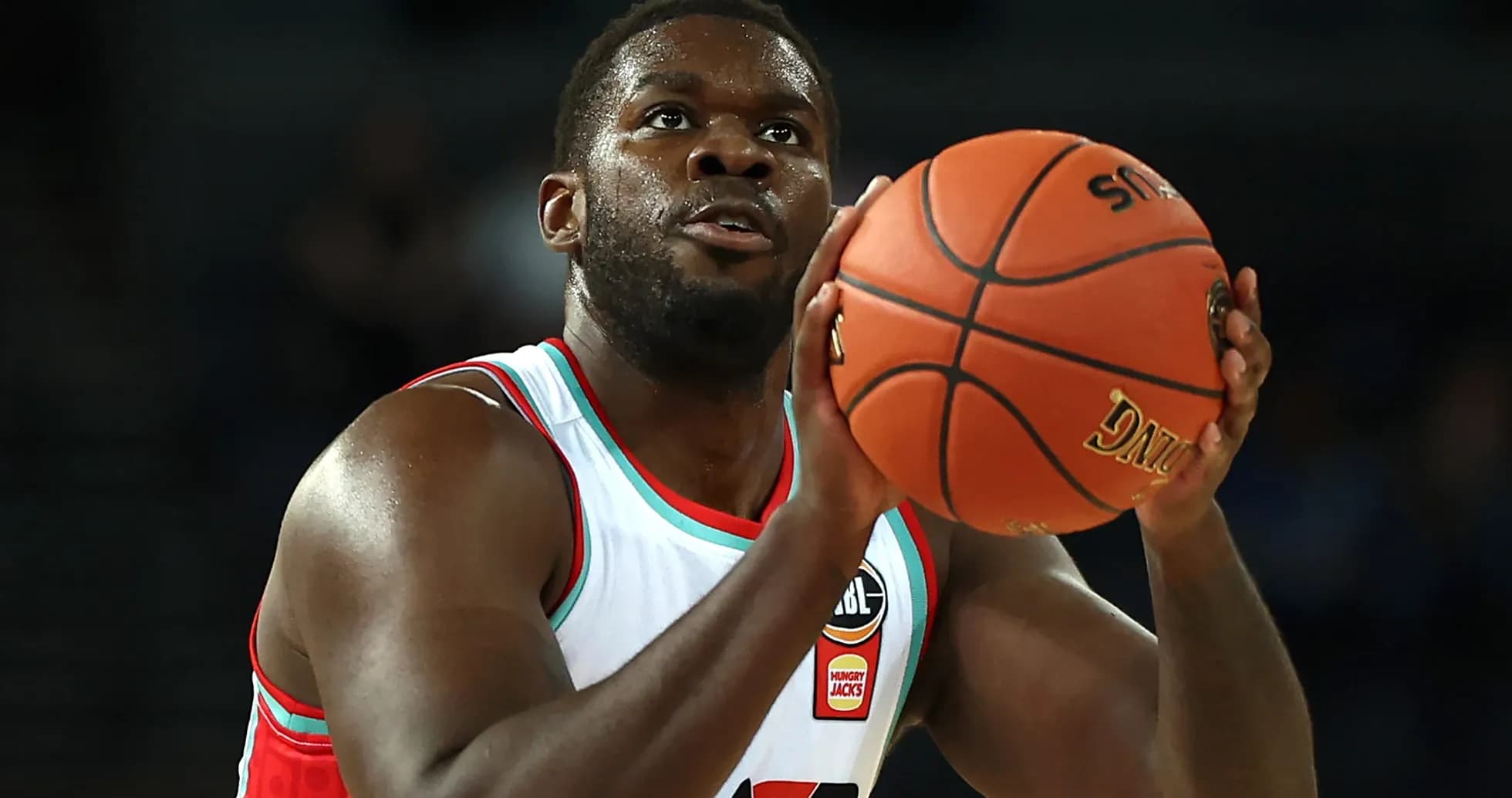
Leonard, now headed back to Toronto in a blockbuster trade, publicly denied knowing of any intent to skirt the cap but accepted the league’s punishment.
“Integrity and respect for this game are fundamental to who I am,” Leonard said in a statement released through his agent. “I accept full responsibility for lapses in judgment by people within my inner circle and regret the distraction this situation has caused the fans and my family. I entered into my contract with the Clippers as well as the agreements in question in good faith, fully committed to fulfilling my obligations and with no knowledge of any intent on anyone’s part to circumvent the salary cap.
“For 15 years, my priority has been giving everything to my family, the game, and those I share the court with. As I return to Toronto, I am focused on what I can control, closing this chapter, and moving forward with a clean slate.”
The league did not suspend Leonard, a critical outcome for the Raptors as they weigh whether to finalize the long-discussed deal.
Leonard’s uncle, Dennis Robertson — a central liaison in the endorsement arrangements — received a five-year ban from conducting business with NBA teams on behalf of any player, a striking rebuke of a power broker who has long been part of Leonard’s inner circle.
Clippers dig in and prepare for a fight
If Leonard’s statement tried to calm the waters, the Clippers’ response lit a match.
“We vehemently reject the NBA’s findings, which are the result of a heavily biased investigation seeking to justify a predetermined narrative rather than facts and evidence,” the franchise said in a statement. “What the league told us privately differs from what it announced today publicly, and they have not held themselves close to the standard Commissioner Silver set at the start of the investigation to ensure its fairness and accuracy.”
The team insisted it cooperated fully and acted in good faith, vowing to clear its name.
“We intend to vigorously challenge these findings and penalties through every avenue available to us and look forward to an ethical and impartial arbitration process,” the Clippers said.
On paper, the penalties are “final and binding.” The NBA and the National Basketball Players Association entered into an agreement confirming that these sanctions cannot be appealed. That arrangement, though, does not preclude the Clippers from seeking other legal or arbitration routes as they hinted, setting up a potential clash away from the court.
Inside the front office, the fallout is immediate. Clippers president of business operations Gillian Zucker has been suspended for one year without pay, cited as the primary contact for arranging the endorsement deals and for “providing false and misleading statements to investigators.” President of basketball operations Lawrence Frank will sit for six months without pay after the league found he approved “impermissible expenses incurred by Mr. Leonard and his family.”
The franchise will also live under a five-year compliance and monitoring program overseen directly by the league office — a long, public reminder of the line it crossed in the NBA’s eyes.
Raptors on the clock
Lost in the thunder of sanctions is a franchise up north now staring at a decision with enormous competitive and reputational stakes.
On June 30, the Clippers and Raptors agreed to a trade sending Leonard to Toronto. Then the investigation’s shadow lengthened. On July 9, both teams issued statements acknowledging that the NBA had warned them: the deal could only be finalized if the Raptors’ ownership group accepted the risk of penalties related to Leonard’s contract that could, in theory, emerge from the probe.
Toronto chose to wait.
Now the investigation is closed. The penalties are on the table. Leonard is not suspended. The path is suddenly clearer, but not entirely clean.
If the Raptors push ahead, they land a superstar they know well, the player who delivered them a title in 2019. The reported return for the Clippers — Brandon Ingram, Gradey Dick, two first-round picks, a pick swap and two second-rounders — underscores how heavily Toronto is betting on Leonard’s present, and on the league’s word that this chapter is over.
If they balk, they walk away from a franchise-altering talent, but also from the baggage of a scandal that has already reshaped one organization and put another under a microscope.
A franchise reset in Los Angeles
On the court, the damage to the Clippers will be felt for years. A team already leaning into a rebuild now faces a future with fewer premium draft assets and a tainted reputation in league circles.
Los Angeles finished ninth in the Western Conference last season at 42–40 and fell in the Play-In Tournament, missing the postseason. The front office responded by pivoting toward youth. In February, the Clippers traded James Harden to the Cavaliers and, in a separate deal, sent Ivica Zubac to the Pacers. The Leonard trade agreement with Toronto earlier this summer signaled a full commitment to a longer-term reset.
Now, that reset comes with a five-pick hole in their draft future and a year without their billionaire owner in the building.
Silver had signaled as far back as September 2025 that his office was prepared to act decisively if impropriety was proven.
“In the case of the league, we and our investigators look at the totality of the evidence,” he said then. “Whether mere appearance – just by the way the words read, as a matter of fundamental fairness – I would be reluctant to act if there was a mere appearance of impropriety. I think the goal of the investigation is to find out if there was impropriety.”
The league has now answered that question with a resounding yes. Aspiration, once a Clippers sponsor from 2021–23 and now bankrupt and facing a federal fraud probe, sits as a cautionary tale at the center of it all.
The Clippers say this is a rush to judgment, a story twisted to fit a narrative. The NBA says it is a necessary line in the sand to protect a cap system that underpins the entire competition.
Toronto, watching from a distance but very much in the blast radius, now has to decide: is Kawhi Leonard worth stepping back into that storm?