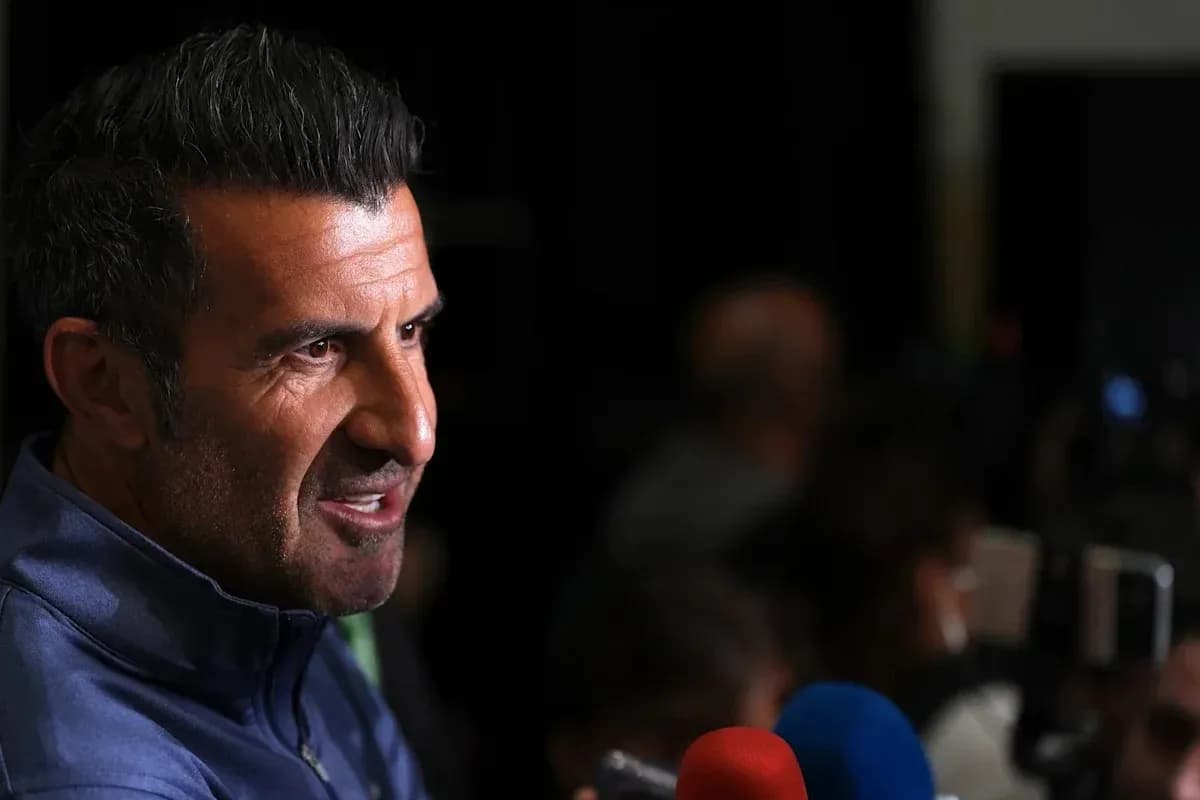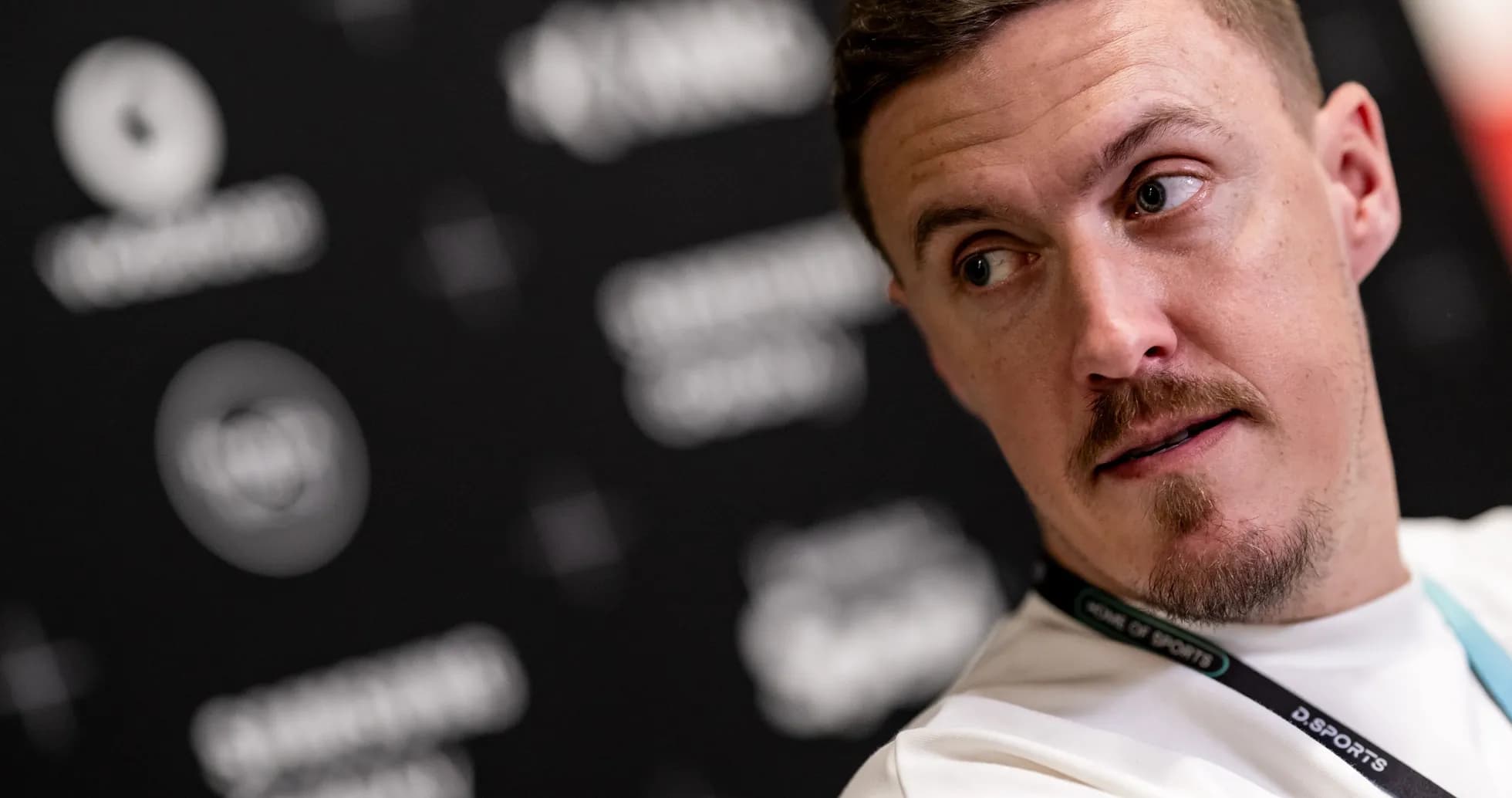
Max Kruse has never been one to sugarcoat a sentence. At 38, with his playing days behind him and a microphone now his sharpest tool, he has turned his attention to the heart of German football’s current debate: leadership, or what he believes is a growing lack of it.
And at the centre of his criticism stands Joshua Kimmich.
Kruse has lined up for Germany 14 times. He knows the inner workings of a dressing room, the unspoken hierarchy, the weight of a voice that can change a game without touching the ball. From that vantage point, he fired a pointed shot at the new-look national team under Jürgen Klopp, and at one of its most prominent figures.
“For me, Joshua Kimmich is not a leader player either, despite the armband at Bayern,” Kruse said, backing up the long-discussed thesis of former DFB boss Oliver Bierhoff that the national team has been drained of real, rugged characters.
Kruse did not stop at a simple verdict. He unpacked his own definition of what a leader should be on the pitch. An armband? Not enough. Flying into tackles? Not enough either.
“Leadership is not shown only through the captain's armband and hard challenges, leadership is so much more. For me, Kimmich is not the right man for that,” the former international made clear, drawing a hard line between status and substance.
One concern, in his eyes, runs through the entire DFB setup. The squad, now an XXL group of 44 players under Klopp, is missing distinctive personalities, the types who might ruffle feathers but drag a team through a storm.
Everything, Kruse argued, “has been smoothed out.”
Klopp backs his captain – and his position
While the public debate swirls around Kimmich’s suitability as a leading figure, Jürgen Klopp has chosen his side. The new Germany coach is all-in on the 31-year-old Bayern midfielder as a central pillar of his project – and crucially, as a midfielder.
At the World Cup, Kimmich had to plug a gap at right-back, a compromise born of necessity rather than design. That experiment is over. Under Klopp, there is no positional ambiguity.
“We see him as a midfielder,” Klopp stated. “We have not had a single conversation in which we spoke about him as a right-back.”
The message could hardly be clearer. Kimmich will sit where he feels most at home: in front of the back line, organising, barking instructions, trying to stitch together a team still searching for its identity after years of turbulence.
But Klopp did not simply offer comfort. He issued a challenge.
“Stability only comes from the defence, from how you work defensively – and for that I need every single one. The point now is that we commit ourselves to that. That applies to Jo just as it does to everyone else,” he underlined as he unveiled his oversized squad.
The implication is obvious. Kimmich may have Klopp’s trust and his preferred role, but with that comes responsibility. Defensive stability, work without the ball, collective sacrifice – the coach expects his captain to embody those demands, not just talk about them.
So the question now hangs over this new Germany: in a squad Kruse sees as polished to the point of blandness, can Kimmich grow into the kind of abrasive, undeniable leader his critics say he is not – or will Klopp’s faith become the defining gamble of this new era?