2026 FIBA World Cup: Team USA Prepares for Tough Competition in Berlin
The most talented women’s basketball players on the planet are converging on Berlin, where the 2026 FIBA World Cup tips off Friday, Sept. 4. Sixteen nations, expanded from 12 in 2022, will chase one trophy. One team, as usual, wears the target.
Team USA has owned this stage for decades, lifting the World Cup in nine of the last 12 editions, including the last four. The expectation is the same. The landscape around them is not.
A deeper, sharper world
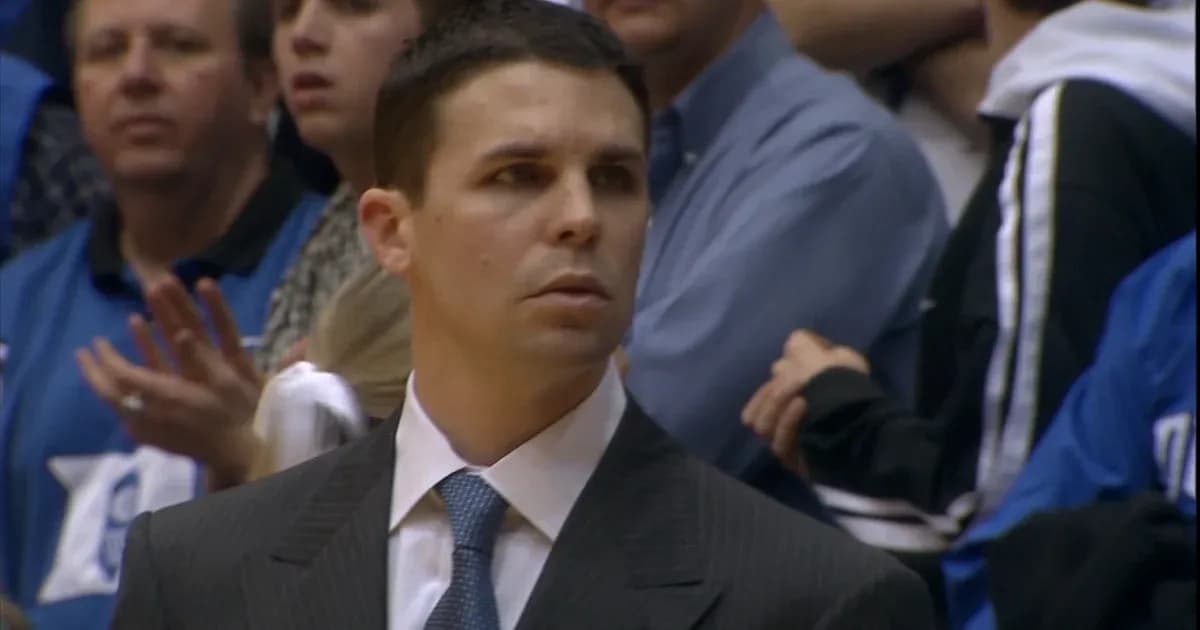
Kara Lawson, stepping into the World Cup spotlight as head coach of the United States, has seen the shift up close from her seat at Duke and through years around the USA Basketball system. She knows the days of routine blowouts are gone.
“There’s no question that the world is improving at a rapid rate,” Lawson said. She sees it in youth tournaments, in teenage prospects from every corner of the globe, in the way World Cup rosters now stack talent position by position. “There’s more depth to teams at the World Cup,” she added. “Now, when you look at rosters, there’s a number of just high quality players.”
That depth changes everything. The margin for error shrinks. One poor quarter can end a dynasty run.
Lawson isn’t shying away from that. She’s leaning into it.
“I think it’s gonna be the most difficult World Cup to win that we’ve had because of that, which is exciting,” she said. Then came the standard she wants her group to embrace: “You should want it to be difficult, you know? It should be hard to win. It’s a World Cup, you know? … It’s the best teams, and it’s a tough schedule, and it’s a short ― it’s all those things you want to say it is, but at the end of the day, every team’s job is to try and win this. And so we’re hungry, and we’re focused on trying to put our best performances on display and see if we can get the job done.”
The dominance is history. The hunger has to be present tense.
Caitlin Clark steps onto the global stage
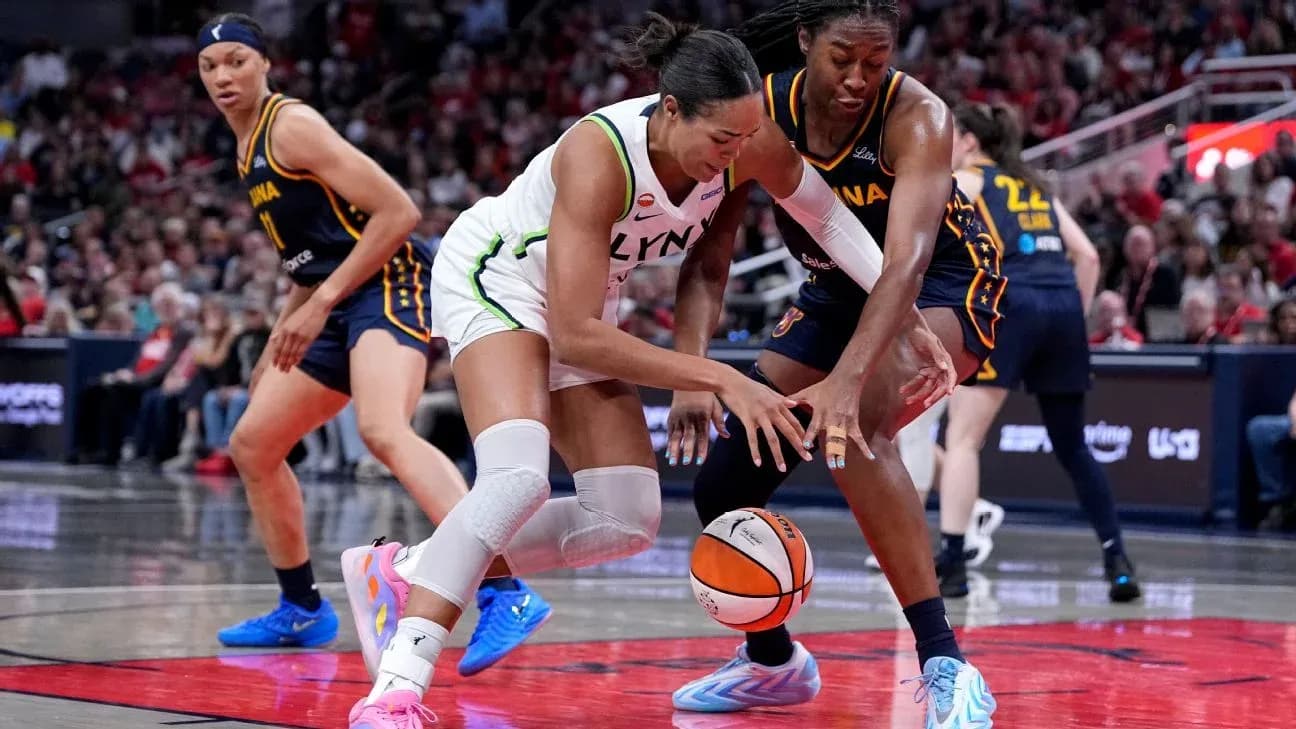
If the world has caught up, the United States is responding with a new wave of star power. At the center of it: Caitlin Clark, fresh off a headline-grabbing rookie campaign with the Indiana Fever and now preparing for her first major FIBA tournament.
Lawson has had a front-row seat to Clark’s WNBA education this summer. She’s not worried about how the rookie will handle another jump.
“Caitlin’s focused. She’s had a great campaign with Indiana. I’ve gotten to watch her a lot in person this summer. So she’s locked in and ready to go,” Lawson said.
The role is clear. Clark is there to tilt games.
“She’s somebody that can change games with her ability to create pace, her ability to score, playmaker, and so that’s something that is gonna be a great fit for the personnel that we have on this team,” Lawson explained. Clark’s shooting range, her ability to “get going and get hot,” and the spacing she creates have already warped WNBA defenses. The question now: will FIBA defenses treat her the same way?
“The attention that she generally draws in the WNBA ― we’ll see if that’s the same,” Lawson said. “That’s another part of FIBA that we’ll have to see, since (it’s) her first time here, is how people defend her. Is it similar to what we see in the (United) States, or is it a little bit different? So, we’re still in fact-finding mode in some of those areas ... but we’re excited about having her on the team, and expecting her to make an impact for us each game.”
Berlin will provide the answers. Quickly.
New blood, same standard
Clark is not arriving alone. This World Cup marks a generational pivot for Team USA, with a wave of first-timers stepping into a program that measures itself only by gold.
Angel Reese, Paige Bueckers, Kiki Iriafen and Sonia Citron are all set for their World Cup debuts. They’ve been the faces of college basketball, rising WNBA talents, social-media fixtures. Now they’re part of a machine that has rolled through this tournament for years.
On Tuesday, they hit the practice floor together in Berlin, a snapshot of the program’s future: Clark orchestrating, Reese battling on the glass, Bueckers slicing in the half court, Iriafen and Citron adding versatility and length. The names are new to this stage; the expectations are not.
Life without A’ja Wilson and Kelsey Plum
The challenge grows steeper without two pillars of recent USA success. A’ja Wilson and Kelsey Plum are out of the World Cup, leaving Lawson without an MVP-level anchor in the frontcourt and one of the game’s most dangerous scoring guards.
Lawson kept it blunt.
“I didn’t have any conversation with A’ja (Wilson) ... I don’t have a timeline,” she said of speaking with Wilson before the tournament. There was no time for lament. “We’ll miss being around them ... We wish them both a speedy recovery... but we don’t have time to be worried about who’s not here.”
The message to the locker room is obvious: the roster in Berlin is the roster that matters. Chemistry, not hypotheticals, will decide this World Cup.
Lawson has turned the page. So must everyone wearing USA across their chest.
First steps in Berlin
The first official step came on the practice court.
“We had a good day today ... It was great to get out on the court with them,” Lawson said of Tuesday’s session. The opener was deliberate, not draining. “It was a light day for us today. Just wanted to get a light sweat and get some things installed. Tomorrow, we’ll do a little but more.”
The work will ramp up quickly. The schedule is compact, the scouting windows tight, and the margin for error thin against deeper, more experienced international rosters. Systems have to be installed, roles defined, egos managed, all in a matter of days.
Lawson’s advantage: she knows this jersey. She wore it when the United States beat Australia in the 2008 Olympic gold medal game, scoring 15 points on a perfect 5-of-5 shooting line with three rebounds, two assists and a steal. She understands the weight and the privilege that come with representing USA Basketball.
“The opportunity is an amazing one, and as a player that played for the federation ... there’s a lot of pride that comes into representing our country and representing all the legends before us that played the game,” she said on Aug. 22. “Now to be able to be a head coach and take the helm of the program, there’s not a higher honor in our sport.”
From that vantage point, the job is simple, if not easy: merge the old standard with the new stars, protect a dynasty in a field that no longer fears the giant.
The world has closed the gap. Berlin will show whether this revamped, youthful USA can keep it that way. Or open it right back up.