The Netherlands’ old order has just armed itself for a new season. Ajax, PSV Eindhoven and Feyenoord tore through a frantic summer window, each of De Topdrie spending with one eye on the Eredivisie title and the other on Europe.
This was not tinkering. It was a reset.
Ajax Go Big, Go Bold
Ajax led the charge, and did it loudly.
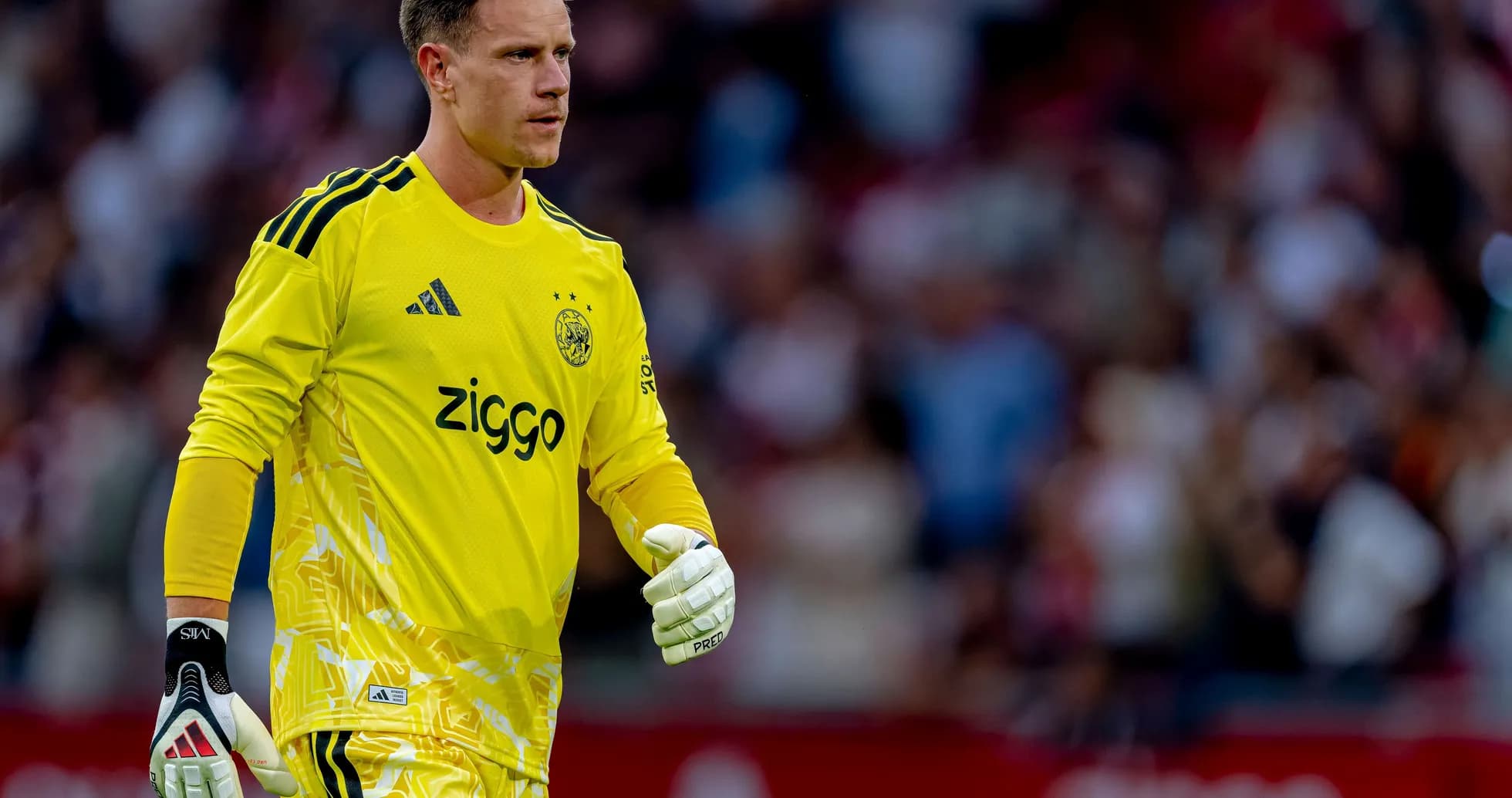
The headline move: Marc-André ter Stegen to the Johan Cruyff Arena on a season-long loan from Barcelona. A Champions League‑level goalkeeper, dropped straight into Amsterdam. That alone would have shifted the mood.
They didn’t stop there.
Marcos Leonardo arrived permanently from Al-Hilal for €19.9 million, a sizeable fee that underlines how badly Ajax wanted a cutting edge in the box. A Brazilian forward in Amsterdam is a familiar story, but the price tag tells you the expectations are anything but routine.
Experience flooded in around him. Julian Brandt, the German playmaker, joined on a free. So did Sofyan Amrabat, the Moroccan midfield anchor whose European pedigree instantly raises the level of Ajax’s engine room. These are not speculative projects. These are finished articles.
Then came the emotional beat of the window: Daley Blind, back for a third spell at the club. A symbol as much as a signing, but still a player who can guide a young dressing room through a long season.
Late in the window, Ajax added more steel and speed. Thilo Kehrer arrived on loan from Monaco to bolster the back line. Simon Adingra came in from Sunderland, another loan designed to inject directness and depth in wide areas.
Ajax didn’t just refresh. They rebuilt the spine.
PSV Add Edge on the Flanks and at the Back
PSV moved with more precision, but no less intent.
Their key defensive addition brought a familiar face home. Lutsharel Geertruida, a Netherlands international, returned to the Eredivisie on loan from RB Leipzig. Versatile, aggressive, and comfortable in multiple roles across the back line, he gives PSV a different defensive profile and a leader in big games.
Higher up the pitch, they pounced on an opportunity that top clubs rarely pass up. Filip Kostic, released by Juventus, arrived on a free transfer. A proven Serbian winger, renowned for his delivery and work rate, he immediately strengthens PSV’s wide options and set-piece threat.
No fireworks in terms of fees, but plenty of substance. PSV’s window reads like a manager’s wish list: targeted, logical, and built for the demands of a long season at home and abroad.
Feyenoord Opt for Precision, Not Volume
While Ajax made noise and PSV added steel, Feyenoord chose the scalpel.
They focused on strategic additions rather than a sweeping overhaul. Charles Vanhoutte signed a three-year deal, the Belgian midfielder brought in to add balance, legs and discipline in the middle of the park. It’s the kind of signing that doesn’t dominate headlines but often defines seasons.
Then came a familiar twist on deadline day. Reiss Nelson returned to Rotterdam, this time on a permanent deal after his previous loan spell. Feyenoord know exactly what they are getting: an English winger who understands the club, the league, and the demands of De Kuip. Continuity, but with commitment attached.
Feyenoord’s business may look quieter on paper, yet it fits a clear pattern: reinforce the core, keep the identity, sharpen the edges.
A Title Race Recast
Now comes the hard part.
The squads are set, the chequebooks closed. Ter Stegen, Brandt, Amrabat, Geertruida, Kostic, Nelson and the rest must move from names on a team sheet to pieces in functioning systems, with domestic and European fixtures already stacking up.
The arrival of this calibre of player alters the feel of the Eredivisie. The title race gains tactical depth, not just star power. Coaches can rotate without fear. Benches look stronger. Margins get thinner.
All three giants now swing back into league action, each convinced they have upgraded, each under pressure to prove it. The window is over.
The real contest starts now.