The world champions are coming home. For good measure, they might not leave.
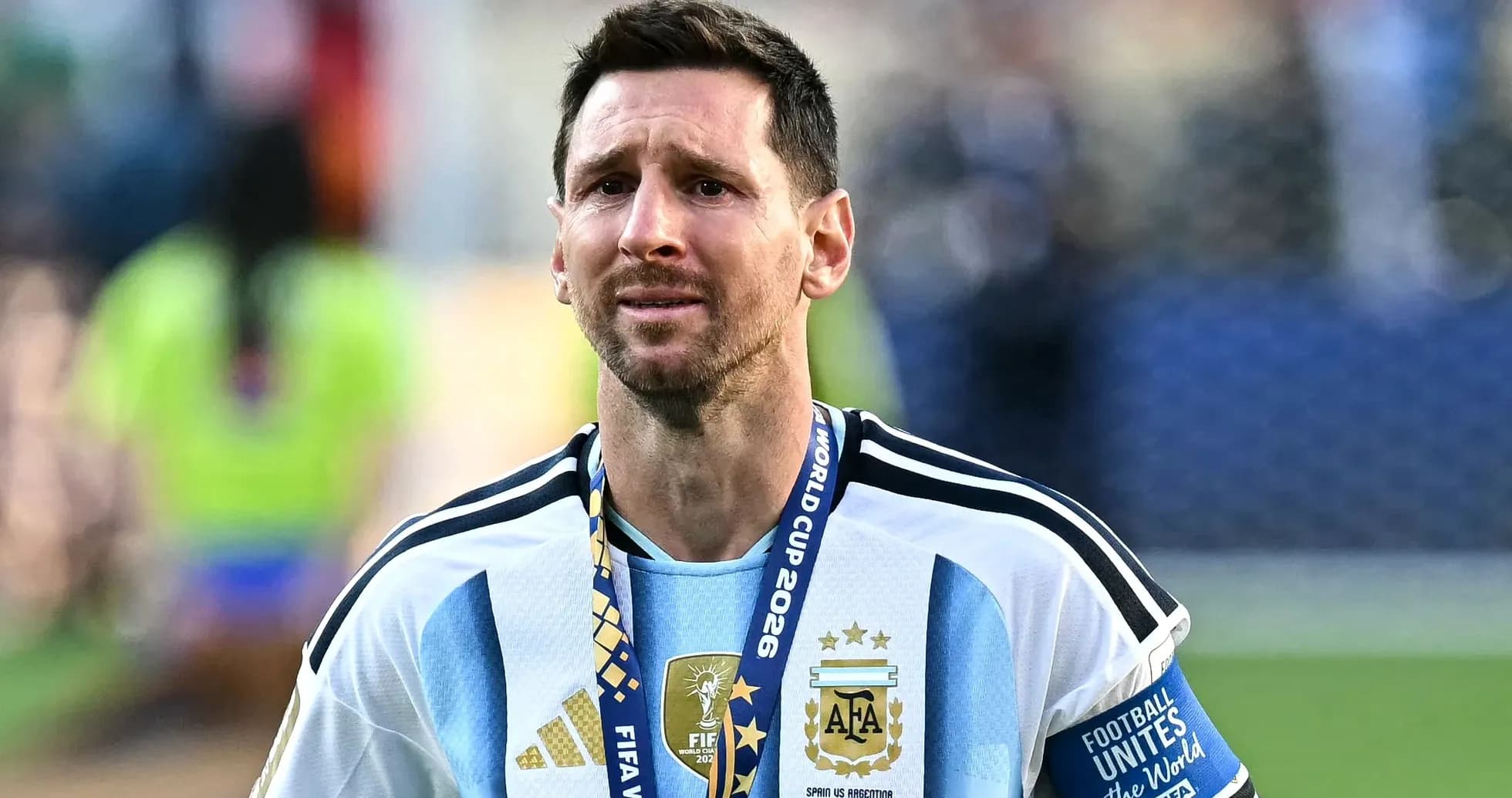
The Argentine Football Association (AFA) are putting together a three-game home series for the FIFA international window between 21 September and 6 October, according to ESPN Argentina, in what would be the first extended look at Lionel Scaloni’s team without Lionel Messi at its heart.
Monumental return, provincial embrace
The first match is being lined up for El Monumental, the natural stage for a new chapter. The opponent is still to be confirmed, with a South American rival or CONCACAF side under consideration, but the idea is clear: open this cycle in Buenos Aires, in front of a fan base still processing a World Cup final lost by the narrowest margin and the abrupt farewell of its greatest icon.
After that, the national team is expected to hit the road. Cordoba and Rosario have emerged as leading candidates to host the other two fixtures, spreading the Albiceleste’s homecoming beyond the capital and into provinces that live and breathe the shirt with almost ferocious intensity.
On ESPN’s morning edition of Sportscenter, reporter Diego Monroig underlined just how close these plans are to being sealed. He explained that Scaloni’s side have “a 90 percent chance” of playing the entire window on home soil after the collapse of initial plans to travel abroad.
Those plans had included a lucrative tour of Asia. A match in China had been described as “almost confirmed.” That disappeared the moment Messi decided to end his international career, a decision that forced the AFA to rip up its itinerary and redraw the map around a team suddenly without its talisman.
World Cup qualifying puzzle
While friendly dates and venues are being shuffled, the bigger board is being arranged elsewhere. CONMEBOL and FIFA are deep in talks over how South America’s qualification spots for the next World Cup will look with Argentina, Uruguay and Paraguay already guaranteed places as co-hosts.
The central question is stark. Do those three automatic berths come out of the region’s traditional 4.5–5.5 allocation, or are they added on top? The answer will reshape the difficulty of the route for the rest of the continent and the competitive temperature of the qualifiers.
Argentina, though, have made their stance clear. Even with a guaranteed ticket as co-hosts, the Albiceleste have formally requested to play the full qualification campaign. They do not want to sit out two years of meaningful competition. They want the grind, the trips, the altitude, the pressure. In a transition this big, they may need it.
Scaloni’s reset after Spain heartbreak
These three autumn fixtures offer Scaloni something rare in the international game: a defined, compact block of time to start redrawing his tactical blueprint.
The 1-0 defeat to Spain in July’s World Cup final still lingers. It was tight, tense, decided by a single goal. Now comes the rebuild. Without Messi, Argentina must rewire their attacking structure, redistribute responsibility, and find new leaders in a dressing room that has known only one sun around which everything orbited.
This September–October window is only the start. Another FIFA slot arrives quickly between 9 and 17 November, adding more minutes, more experiments, more chances for young players to convince the staff they belong in the core of the next cycle.
The calendar turns again in 2027, but the tone of that year will be set long before it arrives. It will be shaped in nights at El Monumental, in roars from Cordoba and Rosario, in how Argentina learn to play, and to win, without the man who defined an era.