Arsenal step back off the European stage and into the familiar grey of an English September on Saturday, heading to the Stadium of Light with their title defence already crackling with intent.
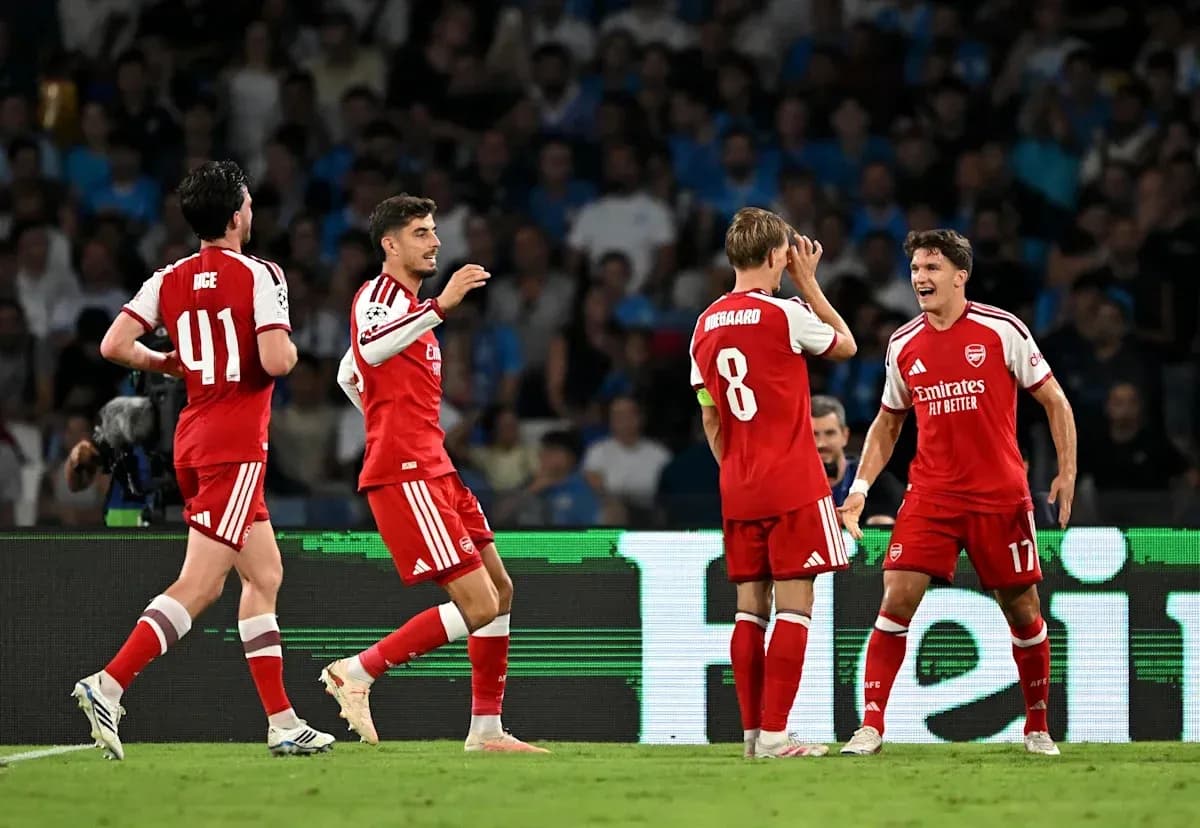
They arrive from Naples with a spring in their stride. A first Champions League win of the season in midweek, three victories from three in the Premier League, and the sense – whispered in August, spoken aloud by September – that Mikel Arteta’s side have picked up exactly where they left off.
The core is back together. Martin Ødegaard is pulling strings again, the defence looks as miserly as any in Europe, and Arsenal have bullied their way into the early conversation as the team to chase. One curiosity lingers: they have yet to score from a set piece this season. For a side that weaponised dead balls last year, that feels less like a flaw and more like a threat waiting to be reactivated.
From Villa scrap to Chelsea statement
Arteta’s men have already been dragged into two very different kinds of contest. At Aston Villa they were kicked, jostled, provoked – and came away with the points. At home to a remodelled Chelsea, they simply suffocated the visitors, a controlled domination that looked ominously routine for a side still finding top gear.
Sunderland offer something else again. Another test of nerve and muscle, another reminder that champions are hunted everywhere they go.
The Gunners know this ground can bite. Last season’s trip to the Stadium of Light turned into a bruising, breathless afternoon, Sunderland leaning on home noise and raw physicality to knock Arsenal out of their rhythm. The hosts went toe-to-toe, refused to back down, and twice punished Arsenal in the air – Brian Brobbey’s stoppage-time equaliser a booming example of their aerial power and refusal to go quietly.
That day felt like a warning. Saturday feels like a reckoning.
Sunderland shed the ‘plucky’ tag
The romance around Sunderland’s return to the top flight has already shifted. The promoted upstarts who were supposed to sink without trace instead finished 7th, secured Europa League football with a final-day win over Chelsea, and tore up every prediction that had them circling the trapdoor.
They did it the old-fashioned way. Regis Le Bris built a compact, hard-edged side, trusted a consistent starting XI, and played direct, purposeful football that leaned into their strengths. They were big, they were combative, and they refused to be pushed around.
Granit Xhaka became the heartbeat of that transformation. The former Arsenal captain arrived as part of a lavish first summer back in the Premier League, bringing bite, leadership, and a familiar growl to the Sunderland midfield. Around him, Le Bris assembled a side that knew exactly what it was: organised without the ball, ruthless in the air, relentless in duels.
Arsenal discovered the full force of that identity last October. Sunderland pressed high, crashed into challenges, and never allowed the champions-elect to settle. Both Sunderland goals came from precisely the kind of moments Arteta obsesses over eliminating: lost battles in the box, second balls not cleared, bodies outmuscled. The 2-2 draw felt like a victory for the home side and a bruise on Arsenal’s otherwise smooth march to the title.
Now, Sunderland are no longer the feel-good story. They are a problem to solve.
New season, new demands
This season has started more quietly on Wearside: one win, one draw, one defeat from their opening three league matches, a mid-table perch at 12th, and a new complication – Europe.
For the first time in half a century, Sunderland must juggle Thursday nights and weekend battles. AZ Alkmaar’s visit in the Europa League this week stretches a squad that, while robust, is not built like a superclub’s. The schedule raises a tantalising question: how much can Le Bris rotate without dulling the sharpness that defines his team?
History suggests not much. He prefers rhythm, familiarity, combinations that become instinctive. Expect the spine to remain intact. Expect the same snarling edge.
Their summer was quieter than the previous year’s spending spree, but not without intent. Malik Fofana arrived from Lyon to add more punch in attack, a player Arsenal themselves were briefly linked with on deadline day. Kevin Danso, signed from Tottenham, brings fresh Premier League experience to the back line. Thomas Meunier, with his wealth of big-game know-how, adds another seasoned voice.
The rest is continuity. Robin Roefs stays in goal. Former Hale End defender Dan Ballard anchors the back line. Xhaka once again commands the midfield after pointedly turning down Chelsea in the summer. Brobbey, Nordi Mukiele, Wilson Isidor and Enzo Le Fée all return, ensuring Sunderland’s core remains recognisable and battle-tested.
There are absences: Romaine Mundle (knee) and Mouhamadou Habib Diarra (thigh) are sidelined. But the structure, the style, the menace? All still there.
Arsenal’s narrow lane at the top
While Sunderland wrestle with the demands of a bigger stage, Arsenal are navigating their own tightrope at the summit.
Manchester City sit top of the table on goals scored, the finest of margins separating them from Arsenal in these early weeks. Hovering just behind, Manchester United enter the first Manchester Derby of the season with a point to prove after last year’s top-four finish. That clash on Sunday could reshape the top end of the table before the first international break.
Arsenal cannot control any of that. What they can control is what happens in Sunderland at 8:00pm GMT on Saturday.
Win, and they apply pressure. Win, and they may wake up on Monday back in front of the pack, depending on what unfolds in Manchester. Drop points, and the champions invite doubts that have so far been kept firmly at arm’s length.
The all-time record between these clubs – 64 Arsenal wins, 50 Sunderland victories, 42 draws – tells the story of a long, tangled rivalry. The recent chapter is clearer: Arsenal are the benchmark now, Sunderland the ambitious disruptor trying to prove last season was not a one-off.
The stakes at the Stadium of Light
Sunderland’s challenge is obvious: build on a sensational first season back, avoid the regression that so often swallows surprise packages, and show they belong in the top half of the Premier League and in Europe.
Arsenal’s is sharper: behave like champions, everywhere, every week.
Arteta’s side have swatted aside early tests from Villa and Chelsea. Sunderland, with their bruising style and surging crowd, offer a different kind of examination – not of Arsenal’s tactics, but of their resilience. Can they impose their football on a side that thrives on chaos? Can they finally turn those set pieces into weapons again in a stadium where aerial duels decide everything?
Sunderland will not back down. They rarely do now. Anyone expecting them to fade, to soften, to offer Arsenal a gentle afternoon, has not been paying attention.
The champions walk into a ground that bloodied them last season, facing a team that has tasted European qualification and wants more. They know what’s coming.
The only question is whether they can walk back out with all three points.