
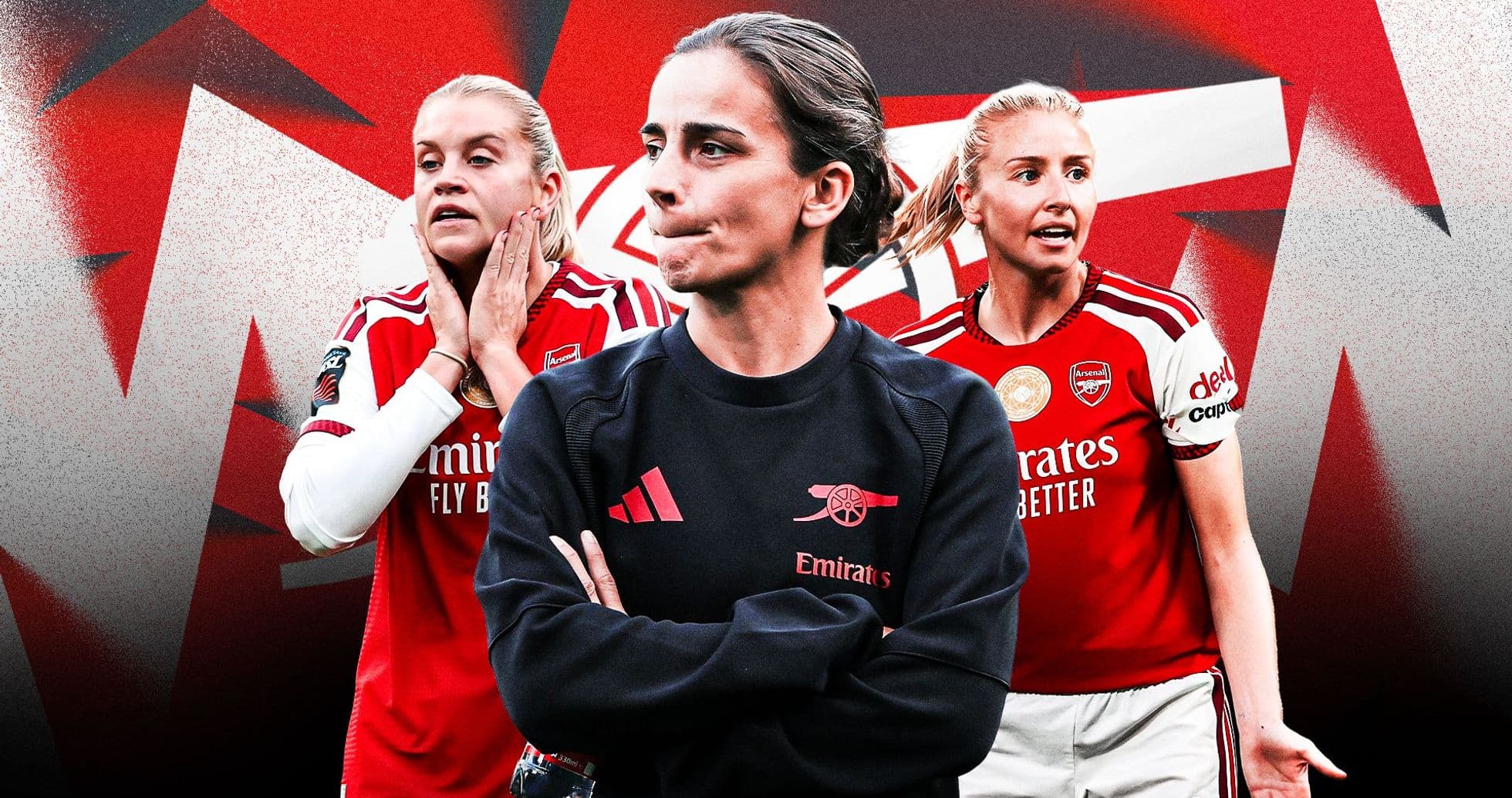
Before the Women’s Super League season began, Arsenal was widely seen as a leading contender for the title. A strong transfer window had bolstered their squad depth and quality, setting high expectations after their 2025 Champions League win and close challenge to Manchester City the following year. Yet, their start has been underwhelming, with just one victory in six league matches, leaving them eighth in a 14-team competition and 12 points behind the leaders.
Why Has Arsenal Faltered?
The Gunners have consistently dominated possession this season but have failed to convert chances into wins, especially when facing teams defending deep. This problem isn’t new, though last season it seemed somewhat resolved. In games where Arsenal held the most possession last term across the WSL and Champions League, they rarely dropped points. Their dominant performances away at Leicester, Everton, OH Leuven, and Benfica all resulted in wins.
This season, the narrative has changed. Matches against Crystal Palace and Birmingham saw Arsenal hold around 75% possession but end in draws. Even in the Champions League, a 1-0 win over Koge came courtesy of a late penalty. The team’s pace and tempo in possession have lagged, allowing opponents to stay organized defensively. Arsenal now ranks lowest in the WSL for converting expected goals into actual goals.
Pressure Mounting on Slegers
Typically calm and collected, head coach Renee Slegers has shown signs of frustration recently. Following a 2-2 Champions League draw with Paris FC—where an odd handball incident contributed to the comeback—Slegers skipped the post-match press conference. Reports say she was visibly upset in the dressing room, sparking speculation about her future. She later apologized for not addressing the media. After Arsenal’s recent come-from-behind draw, her disappointment was evident but measured.
Decisions Under Scrutiny
Slegers faces criticism for her squad management. Questions have arisen over limited playing time for summer signing Geraldine Reuteler and frequent goalkeeper rotations, which some believe have led to errors. Tactical choices also raise eyebrows: deploying Alessia Russo as a No.10 alongside Stina Blackstenius up front hasn’t worked well against low blocks like Birmingham’s defensive setup.
Opposition manager Amy Merricks revealed strategic moves targeting Arsenal’s left side, particularly exploiting Ona Batlle—a right-footed player operating at left-back. Though Batlle adapts well, her positioning appears to be a vulnerability, especially since Arsenal boasts strong right-back options in Emily Fox and Smilla Holmberg.
Can Arsenal Turn Things Around?
When asked if the situation was salvageable, Slegers remained confident. She pinpointed defensive lapses and finishing inefficiency as key issues but stressed that the team still plays its characteristic controlling style. Having earned respect for guiding Arsenal to Champions League glory less than two years ago—the first English women’s club to do so since 2007—she retains some goodwill.
Still, doubts linger about whether fresh leadership might benefit the club, especially with title hopes fading fast. Slegers herself acknowledged the possibility of change if she feels unable to move the team forward. It’s likely any transition would stem from her decision rather than the club’s initiative.
Meanwhile, North London rivals Tottenham, who drew goalless with Arsenal last season, will be eager to capitalize on their rivals’ uncertain state when they meet again soon.
WSL Standings Snapshot
- Position: 8th out of 14 teams
- Wins: 1 in 6 league games
- Points behind leaders: 12
- Winless streak: 5 games (WSL record for Arsenal)





