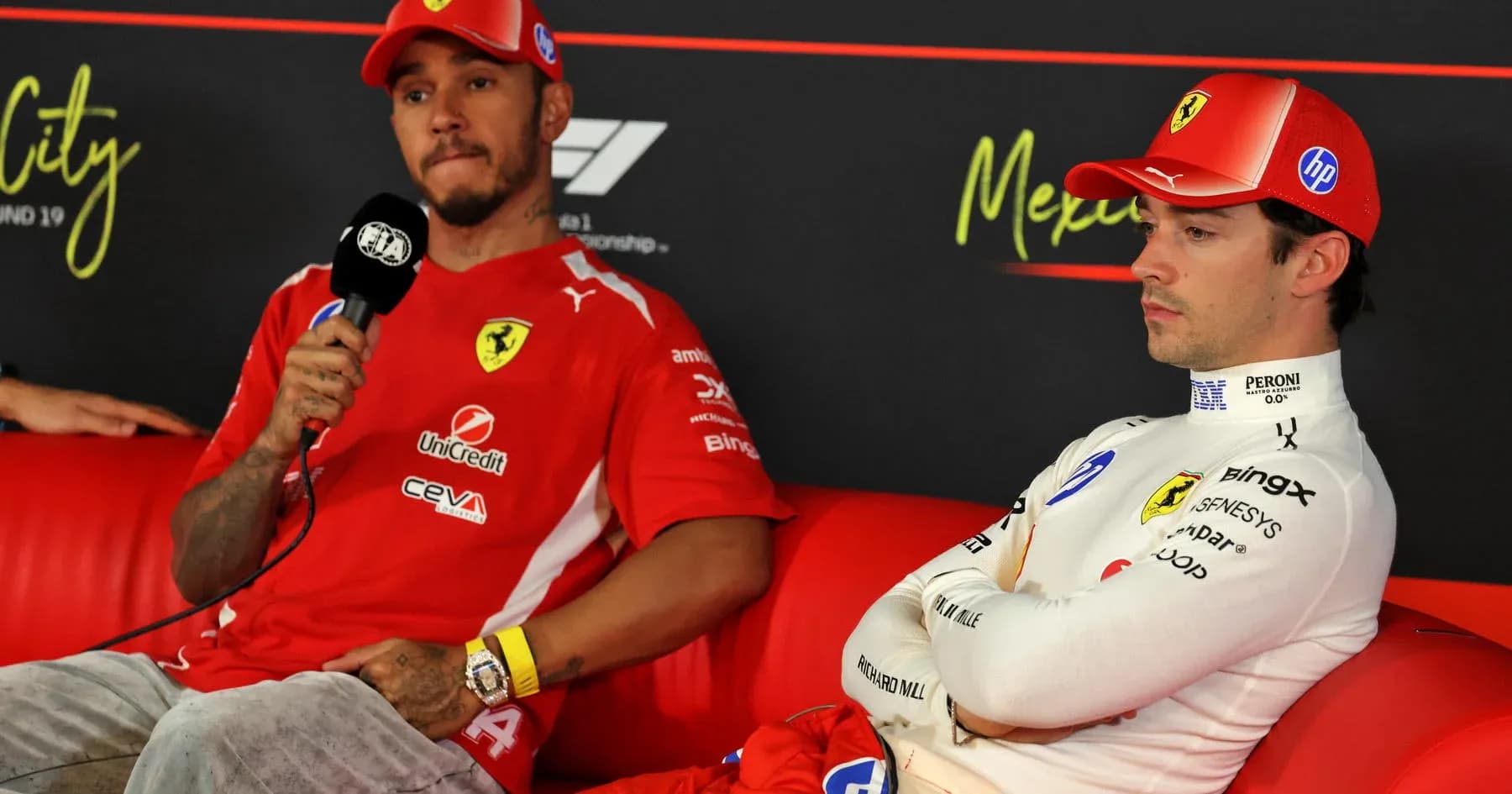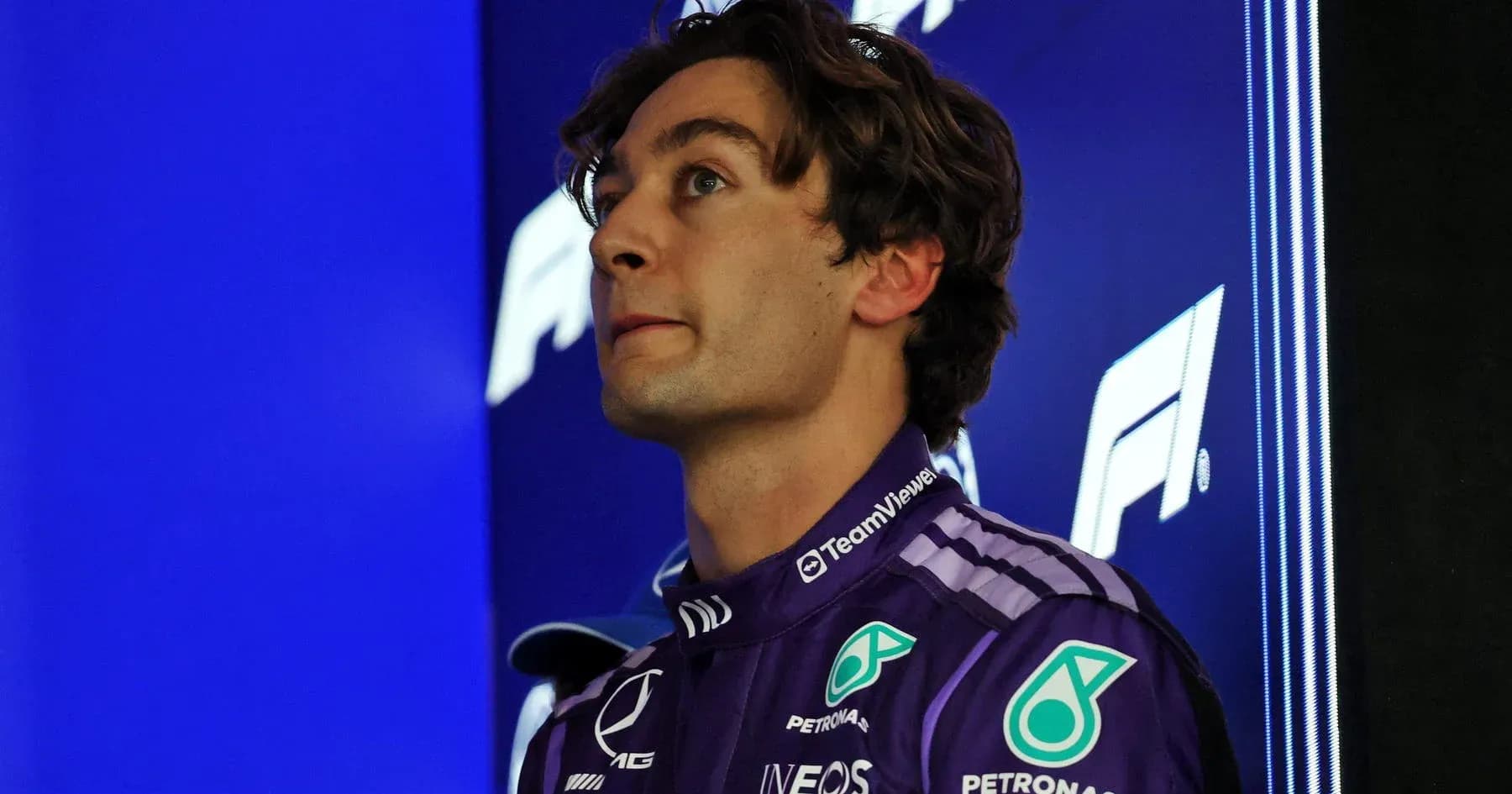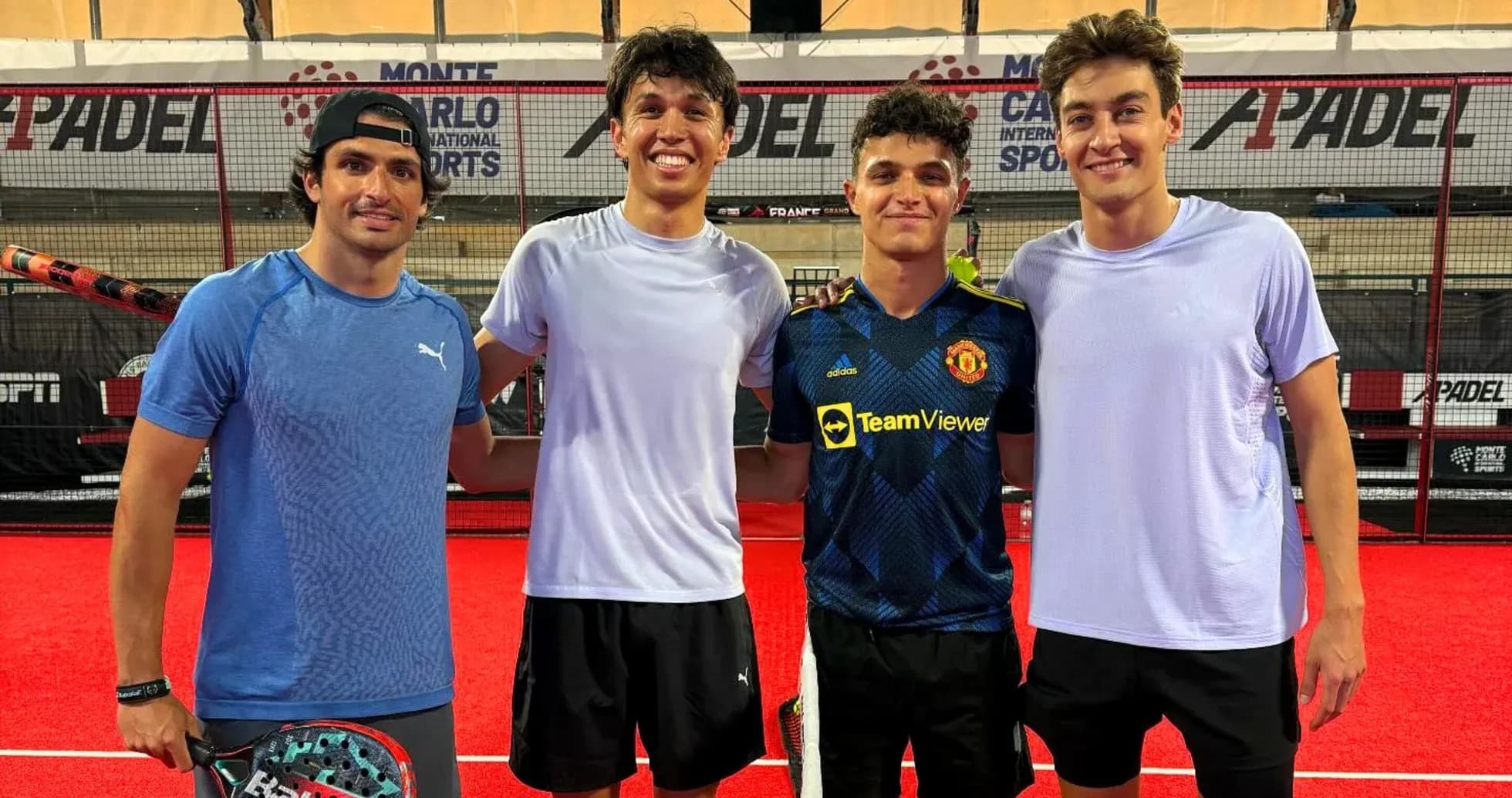
Padel has quietly become Formula 1’s favourite off‑duty battleground. Fernando Alonso and George Russell guard an unbeaten record. Lando Norris, Oscar Piastri, Carlos Sainz and Charles Leclerc hunt for late‑night courts between debriefs. Pierre Gasly has gone a step further and bought into a team.
Aston Martin step onto a different kind of court
Ahead of the 2026 United States Grand Prix, Aston Martin unveiled a collaboration with racket sports brand Padeltek, becoming the first F1 team to formally partner with a padel and pickleball specialist.
It is not a token logo slap. The launch range includes three dedicated padel rackets and matching cover bags, with pickleball gear scheduled to follow in 2027. To mark the start of the partnership, Aston Martin staged an event in Austin, where Jenson Button, Jessica Hawkins, Jak Crawford and Pedro de la Rosa traded volleys instead of sector times.
For Matt Chapman, Aston Martin’s Head of Licensing and Merchandise, the trend inside the paddock was impossible to ignore and too tempting not to turn into a project.
“Padel was a particularly interesting opportunity given its incredible growth and the natural connection it has developed with the Formula 1 paddock,” he told F1.com. The sport’s reach, he argued, stretches far beyond a few drivers looking for a midweek sweat. “It has a global and diverse community, which presents an exciting opportunity for us to connect with new audiences and explore a different side of our brand.”
The key, Chapman stressed, was to avoid the easy route.
“Authenticity was really important to us from the outset. We wanted to create something that went beyond simply putting our name on a product, ensuring the collection genuinely reflected both our identity and the demands of the sport.
“Working with Padeltek allowed us to bring together their expertise in padel equipment, with our own design. We wanted the collection to feel unmistakably Aston Martin, while ensuring the products were designed to perform on court. Striking that balance between design, functionality and performance was key.”
Aston Martin’s Chief Marketing Officer, Rob Bloom, sees something deeper than a lifestyle tie‑in: a competitive kinship.
“There's a natural crossover between the two sports, particularly when you consider the competitive mindset and the importance of quick thinking, precision and reaction times,” Bloom told F1.com. “Padel has become a sport that has brought people together, whether that's drivers, team members or fans, and it's become a great way for the paddock to connect away from the intensity of a race weekend.”
What is padel – and why has it hooked F1?
Padel sits somewhere between tennis and squash. It is usually played in doubles on a compact, enclosed court, framed by glass and fencing. The scoring mirrors tennis, but players serve underarm, use solid, stringless rackets and can chase down balls that rebound off the walls.
The rallies are fast, chaotic, and demand sharp reflexes, clear communication and instinctive teamwork. Those qualities sound familiar to anyone who spends their life threading a car through traffic at 300 km/h.
For Mike Dale, Editor of The Padel Paper, the sport’s accessibility is its secret weapon – especially for elite athletes used to mastering new skills quickly.
“Padel has indeed become really popular with current and ex-sportsmen and women. The sport is obviously very trendy and quite a lot of the emerging clubs are quite high-end, so the environment is attractive to people from the equally glamorous F1 world,” he told F1.com.
“But the biggest reason is that padel is very easy to become quite good at quite quickly, particularly if you've got a baseline of athleticism, sporting ability and hand-eye coordination. And that feeling of being 'good' quite quickly is very addictive!”
That mix of glamour, quick gratification and genuine competition has turned it into the paddock’s unofficial social hub. Norris, Piastri, Sainz and Leclerc are regulars. Ahead of the 2026 Singapore Grand Prix, Norris and Gabriel Bortoleto were spotted squeezing in a game, while Alex Albon revealed that the drivers have even set up a group chat to arrange late‑night matches during race weekends.
The environment is relaxed. The attitude is not.
Alonso and Russell: unbeaten on glass
Fernando Alonso has been playing padel for well over a decade. During the 2023 Mexico City Grand Prix weekend, he revealed that he and George Russell had yet to taste defeat together.
“I was [impressed by Russell]. I've been playing padel for, 12 or 15 years,” Alonso said. “But I think George is quite new to it and he was strong. And we are unbeatable at the moment! We play once and it's 100% dominant wins!”
Russell admitted that what started as a diversion has become a staple of his travel routine.
“Team mates on the padel court, 100% record against our competitors. It's always nice to do that as a sport, I've been getting into it a little bit as this year has progressed, and especially this time of the season, you spend a lot of time away, so it's nice to have a hobby on the side.”
Oscar Piastri has seen enough from inside those glass walls to know that the drivers rarely treat it as a casual hit.
“We take it far too seriously, yes. But it's very good fun and a good way of, you know, just keeping yourself awake.”
The court might be smaller than a Grand Prix circuit, but the stakes – pride, bragging rights, the right to call yourself unbeaten – feel enormous to the people involved.
Gasly the team owner
For Pierre Gasly, playing was not enough. The Alpine driver has taken a stake in 10Padel, a team competing in the Hexagon Cup, an international padel competition that has attracted a wave of high‑profile investors.
“Padel is something I really enjoy in my daily life, and I believe it's a sport with incredible business potential,” Gasly told Reuters in February 2026. “I'm happy to be a part of its growth through my team.”
His move is about more than a side hustle.
“Formula 1 opens many opportunities. While I wake up thinking about F1 and fall asleep thinking about it, there's more to life. I want to discover other things and mix them with my passions,” he explained.
Gasly’s investment underlines a shift. For some drivers, padel is no longer just a way to unwind between simulator sessions. It is a serious, structured sport – and a business.
Can F1 push padel into the mainstream?
Drivers are already doing their part, filling social feeds with clips from late‑night doubles and talking up the sport at every opportunity. Aston Martin’s decision to create its own equipment line adds a new layer: a formal, branded bridge between the grid and the court.
For Bloom, that bridge is strategic.
“Formula 1 has an incredibly diverse fanbase, and for Aston Martin, it's about finding authentic ways to meet fans on their terms – that means in their communities beyond motorsport. Padel is a great example of that.
“Collaborations like this allow fans to engage with the team through something they enjoy themselves, creating a connection that extends beyond the racetrack. Ultimately, we want to be part of the conversations and communities that matter to our fans, wherever their interests lie.”
Dale believes those alliances could accelerate padel’s rise.
“These F1 and padel partnerships help raise padel's profile even more. There's a massive investor buzz around padel, with new clubs, tech, equipment and apparel being launched on a daily basis.”
So the pattern is clear. The drivers play. The brands follow. The investors pile in. The courts fill up.
The question now is not whether padel belongs in the paddock – that battle has already been won – but how far this unlikely alliance between glass walls and carbon fibre can carry the sport into the global spotlight.