Barcelona have reclaimed their place at the summit of Spanish football, but the Champions League keeps slipping through their fingers. Two straight La Liga titles have not shifted the cold reality: Europe has not belonged to them since 2015.
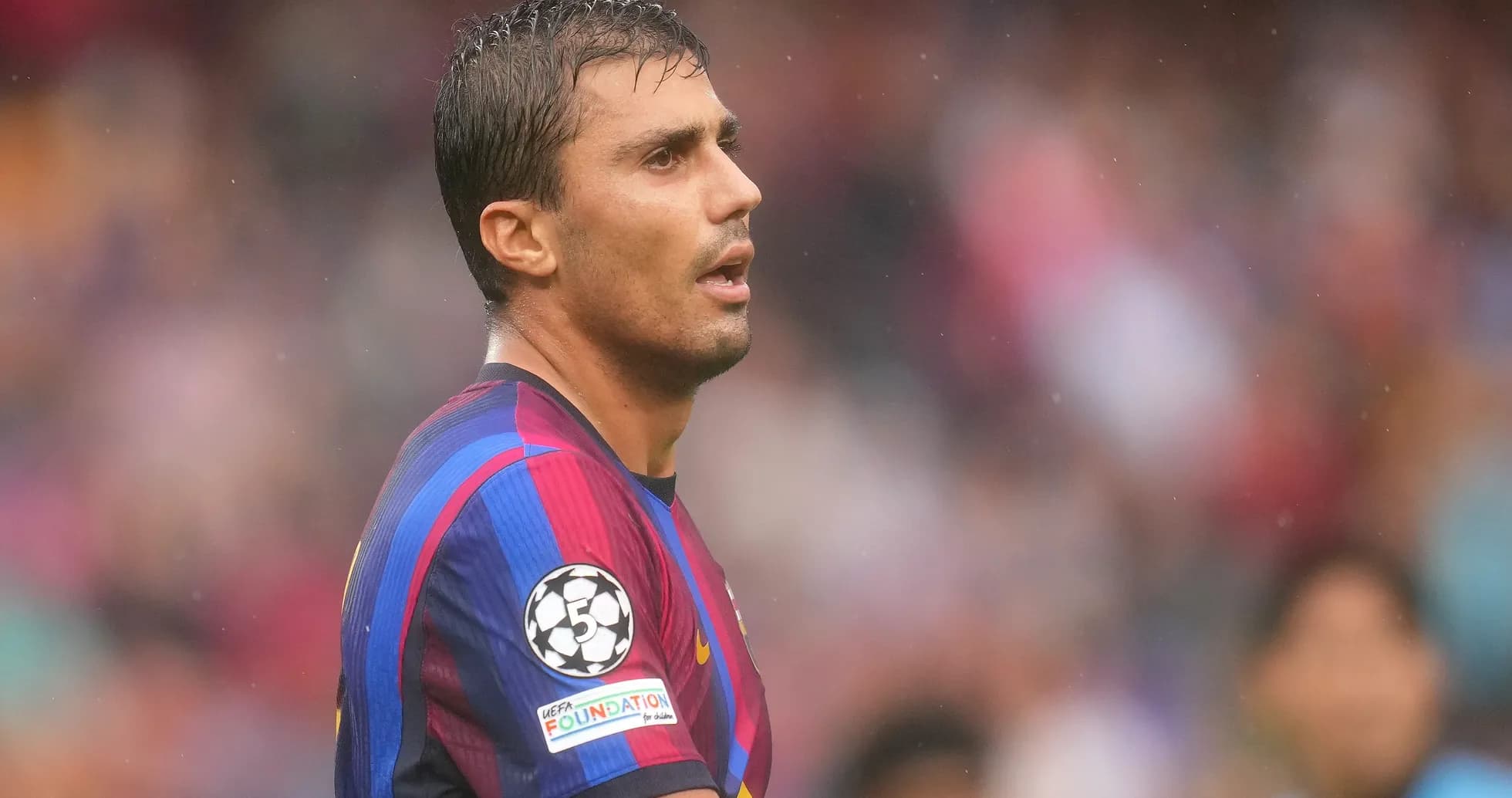
That drought framed every decision of their summer, none more symbolic than prising Rodri away from Manchester City. At 30, the Spain captain did not come to Catalonia for a gentle homecoming. He came for the one trophy the club now craves above all.
Rodri has walked straight into the heart of Barcelona’s midfield, dictating tempo, setting standards, carrying the authority of a man who has already climbed the mountain with City. Yet his assessment of Barça’s European prospects cuts through any romanticism.
“The Champions League is achievable, but I don’t think we’re favourites,” he told Mundo Deportivo.
No bravado, no grand declarations. Just a clear-eyed view of where this team actually stands. “Obviously, I see it as a realistic title for us. It’s that final step we need to take to establish ourselves and show Europe what kind of team we are.”
That “final step” has tripped Barcelona up too often in recent years. From chaotic exits to Inter and Atletico Madrid to late collapses littered with defensive lapses and red cards, their European story has been one of self-inflicted wounds as much as superior opponents. Rodri knows talent alone does not fix that.
“I don’t think we’re favourites. You have to understand where we’re coming from and what it takes to become champions,” he warned.
“This team still needs to polish several things to win it. Players like me have come here partly for that, to help the team grow and provide something that I think is important when it comes to winning titles as unique as the Champions League.”
This is not the language of a marquee signing promising instant glory. It is the vocabulary of a player shaped by the brutality of knockout football. Rodri has seen how a season’s work can vanish in a 10‑minute spell, how one decision, one lapse, can redraw a tie.
“I don’t think the Champions League is a tournament where the best team necessarily wins. It’s a tournament of moments, and understanding those moments,” he said.
Those words will sting in Barcelona, a club built on the idea that their football should impose itself on any stage. But the evidence backs him.
The pressure, the noise, the chaos of a two-legged tie: that is where Barça have fallen short. Red cards at the wrong time. Penalties conceded under duress. A lack of control when the temperature rises. Rodri pointed straight at that fault line.
“It’s about controlling those moments that make the difference in a tie, especially when the important knockout rounds arrive. Red cards, penalties, perhaps not conceding more than you should. All of those things determine whether you go through or go out.
“Perhaps it’s better not to be quite as good offensively but to be more consistent and more solid. The teams that have been able to win it have shown you that. That’s where we have room to improve, and I’m sure we will.”
That is a subtle but significant shift in tone for Barcelona. The club that once tried to overwhelm Europe with attacking idealism now listens to its new midfield general argue for control, solidity, and restraint when it matters most. Less spectacle, more steel.
Rodri speaks with the weight of experience. His own Champions League journey with Manchester City was not a straight line to the podium. There were painful eliminations, harsh lessons, and nights when City dominated but still went home empty-handed. Those scars now shape his message in Catalonia.
“That also comes with experience. I’ve always said that before you win, you have to lose and you have to learn,” he insisted.
“Those of us who have been able to win important things know that. I’ve played in I don’t know how many Champions League campaigns before we were finally able to win it.
“I understand that there’s a learning process in that experience, and I understand that players learn year after year.”
Barcelona have already paid heavily for their education in Europe. The question now is whether those bruises finally turn into maturity. With Rodri at the core, the club is not promising fireworks. It is promising growth. And in a competition of moments, that shift in mentality might decide whether this era is remembered for domestic comfort or a return to continental power.