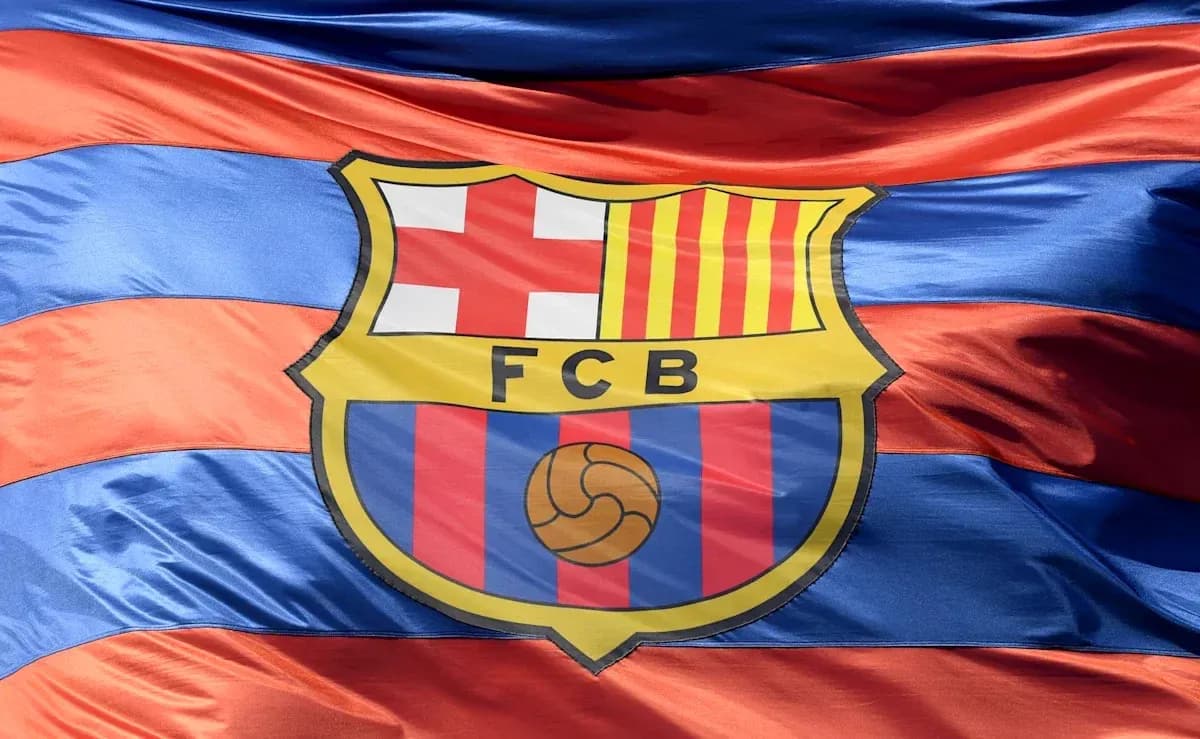
Barcelona’s comeback is no longer just a story told on the pitch. It’s on the balance sheet, on Wall Street, and now on the Forbes rankings.
A club that spent recent summers counting every euro now sits as the second-most valuable football institution on the planet, valued at $7.5 billion. Only Real Madrid, at $9.5 billion, stand ahead. Manchester United, once the benchmark for commercial power, have been pushed into third at $7.2 billion.
For a club that not long ago was pawning future income to survive, the turnaround is staggering.
From financial crisis to transfer muscle
This summer’s transfer window already hinted at a different Barça. Deco moved decisively, bringing in Anthony Gordon, Karim Adeyemi, Rodri, Joao Cancelo and Gabriel Jesus. These are not bargain-bin signings or short-term stopgaps. They are the kind of deals a club makes when it believes, once again, that it belongs at the top of European football.
The shackles that defined previous summers — salary caps, emergency levers, and constant talk of austerity — loosened. The market felt it. So did the dressing room.
Now Forbes has put a number on that recovery. Barcelona’s valuation has jumped 33 percent in a single year, up from $5.65 billion to $7.5 billion. That kind of leap is not driven by sentiment. It comes from hard revenue, long-term projections and the belief that the worst is over.
A business reborn
The rise in value mirrors a broader surge in the club’s business. Barcelona are expected to announce record revenue for the 2025-26 financial year, pushing towards €1.1 billion after already generating €994 million the season before.
Crucially, Forbes based its valuation on figures from the end of the 2024-25 season — a moment when Barcelona still weren’t fully benefiting from their rebuilt home. Spotify Camp Nou, the club’s financial engine, was only partially operational.
Even in that incomplete state, the breakdown is striking:
- $3.012 billion attributed to commercial operations
- $1.682 billion to broadcasting
- $1.454 billion to ticketing and matchday activities
- $1.352 billion to the Barcelona brand itself
Those numbers underline what Barcelona have always sold better than almost anyone: identity. Shirt deals and sponsorships are built not just on trophies, but on a global idea of what Barça represent.
And yet, the club’s most powerful commercial asset — a finished, full-capacity Camp Nou — is still warming up.
Camp Nou, the sleeping giant
This is where the story becomes dangerous for their rivals.
Real Madrid are already squeezing every euro out of the renovated Santiago Bernabeu, with its premium areas and multi-use design operating at full tilt. Barcelona, by contrast, are only just beginning to unlock the earning power of their own rebuilt stadium.
Once completed, Spotify Camp Nou is expected to hold 104,600 supporters, including around 9,400 VIP seats. Parts of those premium zones will already be in use this season, but the real financial explosion comes when the entire complex is running at full speed.
Matchday and hospitality revenue, already a major pillar of the valuation, has clear room to grow beyond the figures Forbes used. That’s before factoring in new experiences, events, and the kind of corporate offerings modern super-stadiums are built to host.
The return to Camp Nou is not just emotional. It’s economic fuel.
Young stars, global reach
Off the pitch, the numbers impress. On it, the project has been built to match.
Barcelona boast a young, successful side with a spine designed to last. Global stars like Lamine Yamal give the club something priceless: relevance to the next generation of fans. In the modern game, that matters almost as much as trophies.
A team that wins with academy products and attacking football sells shirts, draws broadcasters, and convinces sponsors. When that team plays in a 104,600-seat stadium branded by a global tech company, the commercial ceiling rises again.
The gap to Real Madrid is still significant. A $2 billion difference in valuation cannot be brushed aside. Madrid’s early move with the Bernabeu, their Champions League pedigree and global pull keep them at the top of the financial food chain.
But the trajectory is unmistakable.
Barcelona have grown 33 percent in a year while their primary commercial asset is still only partially online. The club that once seemed trapped by its own excesses is now building a structure designed to generate, not consume, wealth.
The sporting side is already constructed to compete at the highest level. If Camp Nou delivers the revenue it promises, the question is no longer whether Barcelona can close the gap on Madrid.
It’s how long it will take before they try to pass them.