
Barcelona are preparing to move in the winter market with urgency and calculation, balancing a stretched squad and a tight budget as they hunt for a new centre-back.
The sporting need is obvious. The money is not.
Raphinha deal opens a narrow door
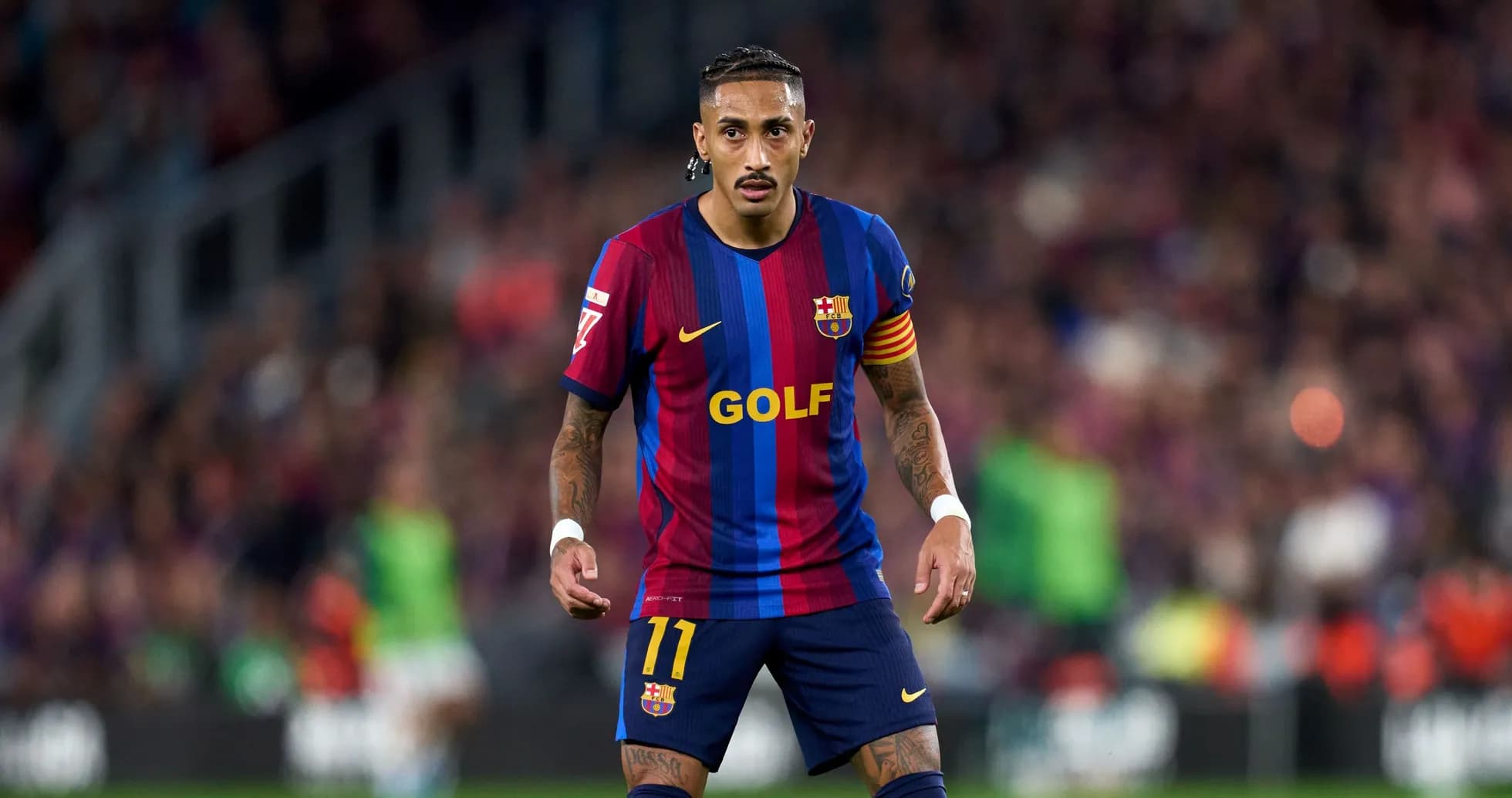
The key that unlocks the door, at least slightly, is Raphinha.
As reported by Spanish outlet Sport, Barcelona have extended the Brazilian’s contract to 2030, but the significance lies less in the date and more in the numbers. The renewal comes with a restructuring of his wages, easing the immediate pressure on the club’s financial fair play limits.
Club vice-president Ferran Olivé laid out the reality in an interview with "Que t'hi jugues!" on "Cadena SER". His message was blunt: there is a surplus, but it is tiny – between €3 million and €4 million.
For a club of Barcelona’s size and needs, that is pocket change. Yet in the current climate, even a small margin matters.
Raphinha’s new deal lowers his salary for the remainder of this season, with part of his pay pushed into future years. That tweak should gradually widen the space available under the regulations, giving the club a little more room to manoeuvre in January.
Not enough for a blockbuster signing. Enough to be creative.
Loans, not galácticos
Barcelona know they cannot chase a top-tier defender on a huge fee and an equally heavy wage. The numbers simply do not add up. So the strategy shifts to alternative solutions: shorter deals, structured contracts, and above all, loans.
It is a path they know well.
João Cancelo arrived last winter on loan, a stopgap solution at the time, before the Catalan club made his stay permanent in the summer with a three-year contract. That move has become something of a template: use the loan market to plug a hole, then reassess when the finances are less suffocating.
The same idea now guides their search for a centre-back.
Lisandro Martínez on the radar
Among the names on the table, one stands out: Lisandro Martínez.
The Argentine defender, under contract with Manchester United until 30 June 2027, could be in a position to negotiate his future from January. Reports point to a breakdown in his relationship with coach Michael Carrick, a situation that could ease his departure from Old Trafford.
That tension, combined with United’s circumstances, may limit the English club’s ability to demand a big transfer fee. Barcelona, operating within their narrow financial margin, would welcome that.
A deal for Martínez could follow the same logic as Raphinha’s renewal: a lower salary in the initial phase, with improved terms scheduled for later seasons when the club expects to breathe a little easier financially. It is a calculated gamble, but one that fits the current reality at Camp Nou.
Injuries force Barcelona’s hand
This is not a luxury search. It is a necessity.
A recent wave of injuries has exposed just how thin Barcelona are at centre-back. Jules Koundé, Eric García and Andreas Christensen are all nearing the end of their recovery programmes, but even with their returns, the squad looks light in a position that underpins any title challenge.
That fragility is shaping Hansi Flick’s decisions. The coach cannot afford to overload his defenders or roll the dice on half-fit players while competing on multiple fronts. Every game matters, every mistake at the back carries a cost, and the margin for error in a season chasing trophies is minimal.
So the winter window becomes more than an opportunity. It becomes a test of whether Barcelona can still act decisively in the market while hemmed in by financial fair play and past excesses.
Several paths are open. None are simple. But with the defence stretched and the calendar unforgiving, the question is no longer whether Barcelona will move in January – it is how bold they dare to be with so little room to breathe.





