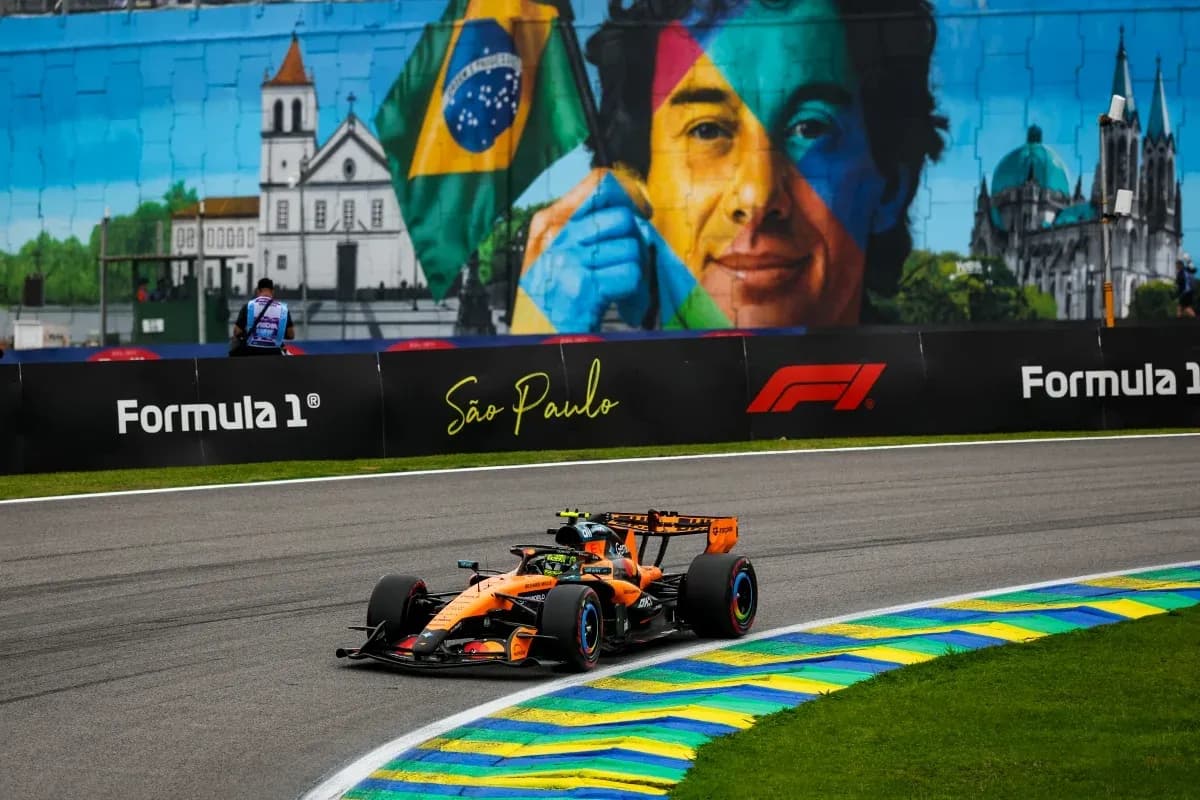
São Paulo has never been shy about drama, but this Brazilian Grand Prix weekend is serving it in heavy doses even before the lights go out.
Qualifying turned into an endurance test rather than a sprint. A violent downpour early in the session stretched the exercise by almost two hours, forcing drivers to dance on the edge of grip and patience. Those who kept their nerve were rewarded.
One of the standout stories came from a familiar veteran. Fernando Alonso, wrestling with conditions that punished the slightest mistake, dragged himself into Q3 for the first time this season. On a day when experience and feel mattered as much as raw pace, the Spaniard found a way.
He was not alone in springing a surprise. Liam Lawson and Nico Hülkenberg seized the opportunity created by the rain and the shuffled order, and both will launch from the second row on Sunday. On a conventional dry Saturday, that prospect would have sounded wildly optimistic. In this storm-hit session at Interlagos, it became reality.
Penalties
And then came the penalties.
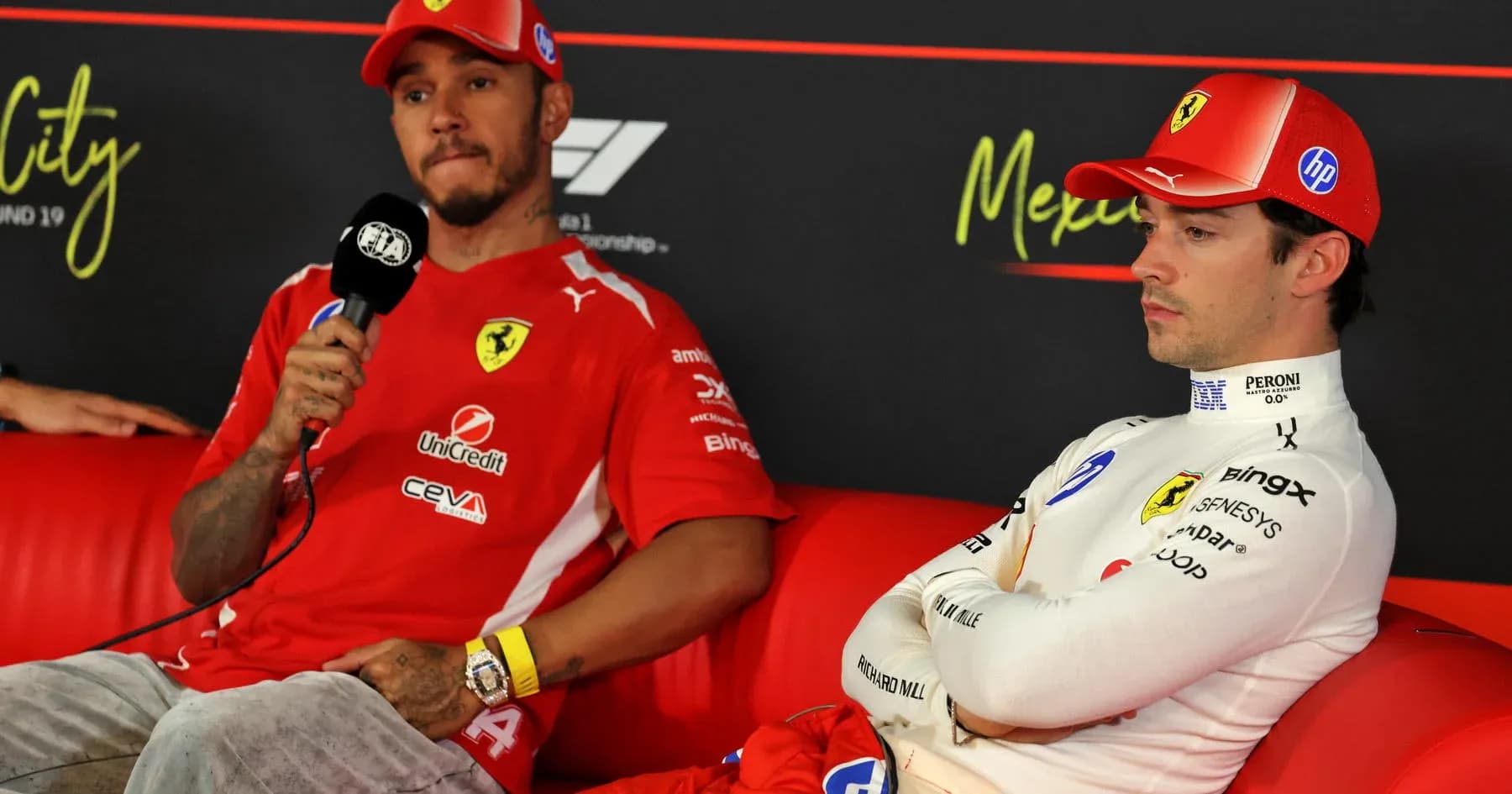
The stewards’ decisions have torn up any notion of a standard grid. Sergio Pérez, Max Verstappen and Lewis Hamilton will all start from the back after racking up engine penalties, three heavyweights suddenly thrown into the role of Sunday afternoon chargers. Their presence at the rear turns the race into a rolling traffic jam of ambition, with front-runners glancing nervously in their mirrors, knowing what’s coming.
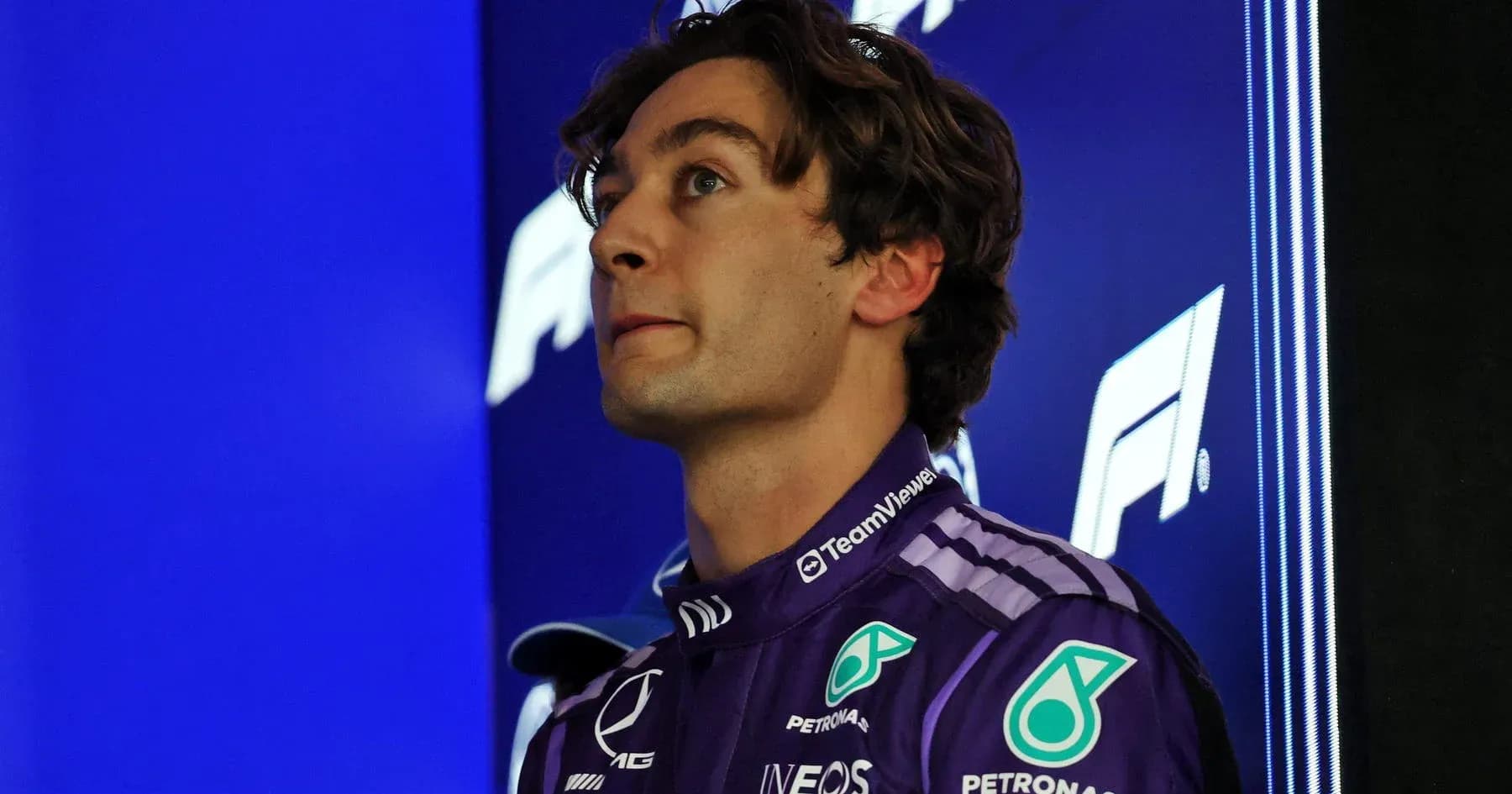
George Russell has not escaped unscathed either; a five-place grid drop dents his hopes of controlling the race from the sharp end. Charles Leclerc is hit even harder, his ten-place penalty sending him tumbling down the order and leaving him with a long afternoon’s work ahead.
The result is an Interlagos grid that looks like it has been picked up, shaken hard and dropped back down in a different order. Proven winners in the pack, opportunists at the front, a circuit that encourages overtaking and chaos, and a forecast that never quite guarantees a dry race.
For São Paulo, that sounds like the perfect recipe.