The Brazilian Grand Prix weekend has not even reached qualifying, and the stewards’ room already looks like race control on a red-flag restart. Penalties are flying, grids are being torn up, and some of the sport’s biggest names are braced for a long Sunday afternoon fightback.
By Friday night, the list was already brutal. By the end of FP3, it looked chaotic.
A star-studded drop to the back
Max Verstappen. Sergio Perez. Lewis Hamilton. Charles Leclerc. George Russell.
Five headline names, five grid penalties, all for the same broad reason: power unit changes beyond their season allocation.
Verstappen and Perez each carry a 30-place grid drop. Hamilton’s is even more dramatic: 65 places. Leclerc will fall 10 spots. Russell, five.
Nobody will actually tumble that many rows in reality, of course, but the message is clear. Strategy departments will be earning their money in São Paulo.
Verstappen and Perez pay for fresh firepower
Red Bull and Cadillac have decided Brazil is the moment to reload.
Verstappen’s 30-place penalty comes from a triple hit: a new internal combustion engine, turbocharger and exhaust system. Each is his first breach of the season in those categories, each worth 10 places. Add them up, and the reigning champion is effectively nailed to the back of the grid before he’s even turned a wheel in qualifying.
Perez follows a similar script, but with a slightly different parts list. He takes a new ICE, turbocharger and MGU-K, again three first-time infringements, again a 10-place drop apiece. That totals 30 places for the Cadillac driver.
His day did not end there. After FP3, the stewards also issued Perez a formal warning for throwing a small cable organiser out of his car and onto the circuit, leaving him deemed to have driven in an unsafe condition. No extra grid pain this time, but a black mark on the weekend nonetheless.
Ferrari’s gamble turns into a Hamilton overhaul
Ferrari initially tried to thread the needle.
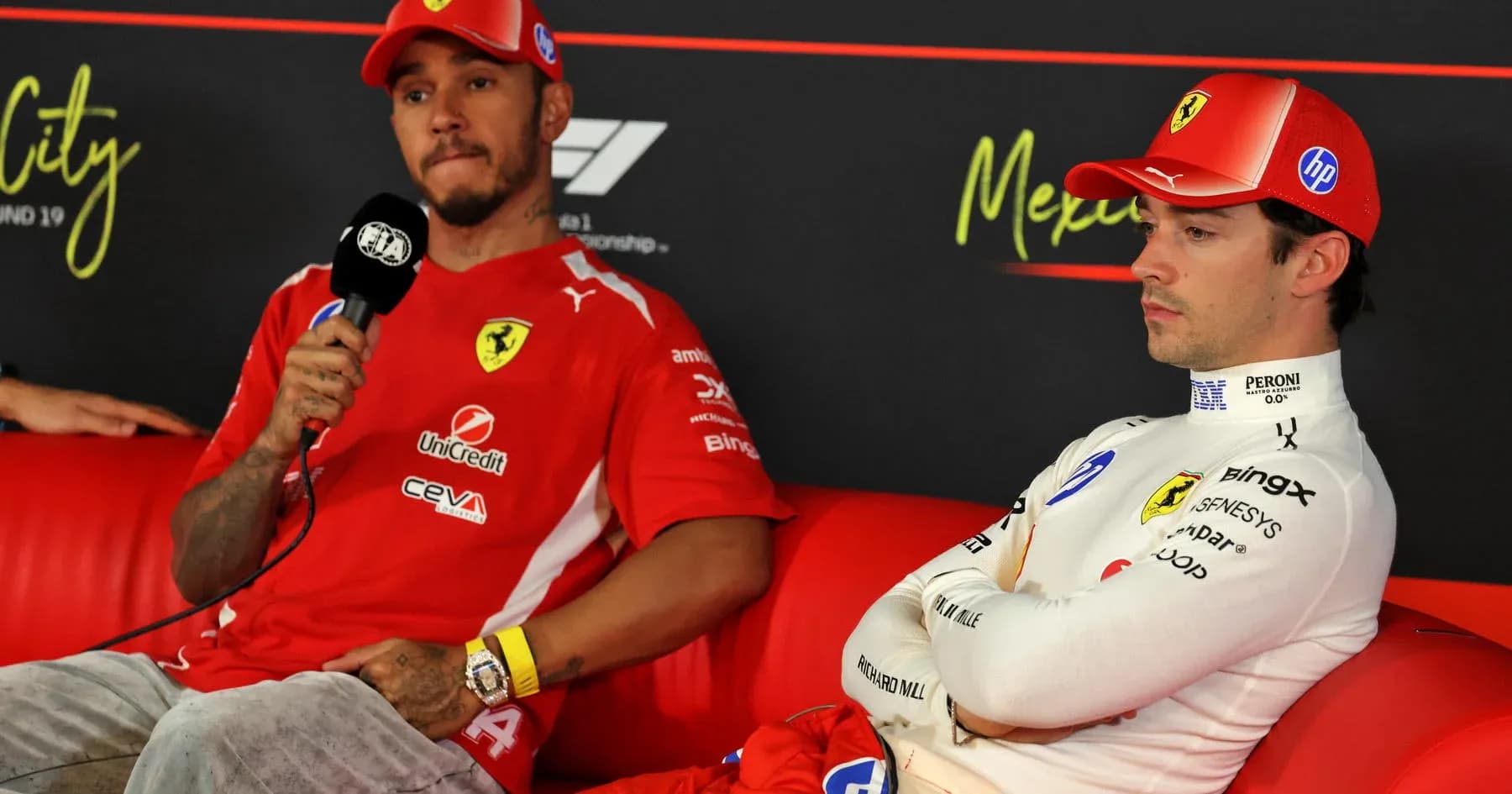
The team first opted for a conservative approach in Brazil: just a new ICE for both Hamilton and Leclerc. Because this was the first engine beyond their season allocation, the sanction was simple and familiar – a 10-place grid penalty for each driver.
Then the picture changed.
After FP3, it emerged that Hamilton would not just be taking a single component, but an entire power unit change. Six of the seven elements in that package are his first examples beyond the allocation, and the combined effect is savage: his penalty rockets to 65 places.
It is the kind of number that makes a mockery of the grid sheet but underlines how aggressively Ferrari are choosing to reset Hamilton’s pool for the run-in. Brazil, for him, now becomes a damage-limitation exercise with the chance of a charge through the field if the car has the pace and the race offers its usual chaos.
Leclerc, by contrast, remains on the original plan. One extra ICE, one infringement, one 10-place drop. His Sunday will be compromised, but not wrecked.
Russell takes a smaller hit
George Russell arrived in Brazil already knowing pain was coming.
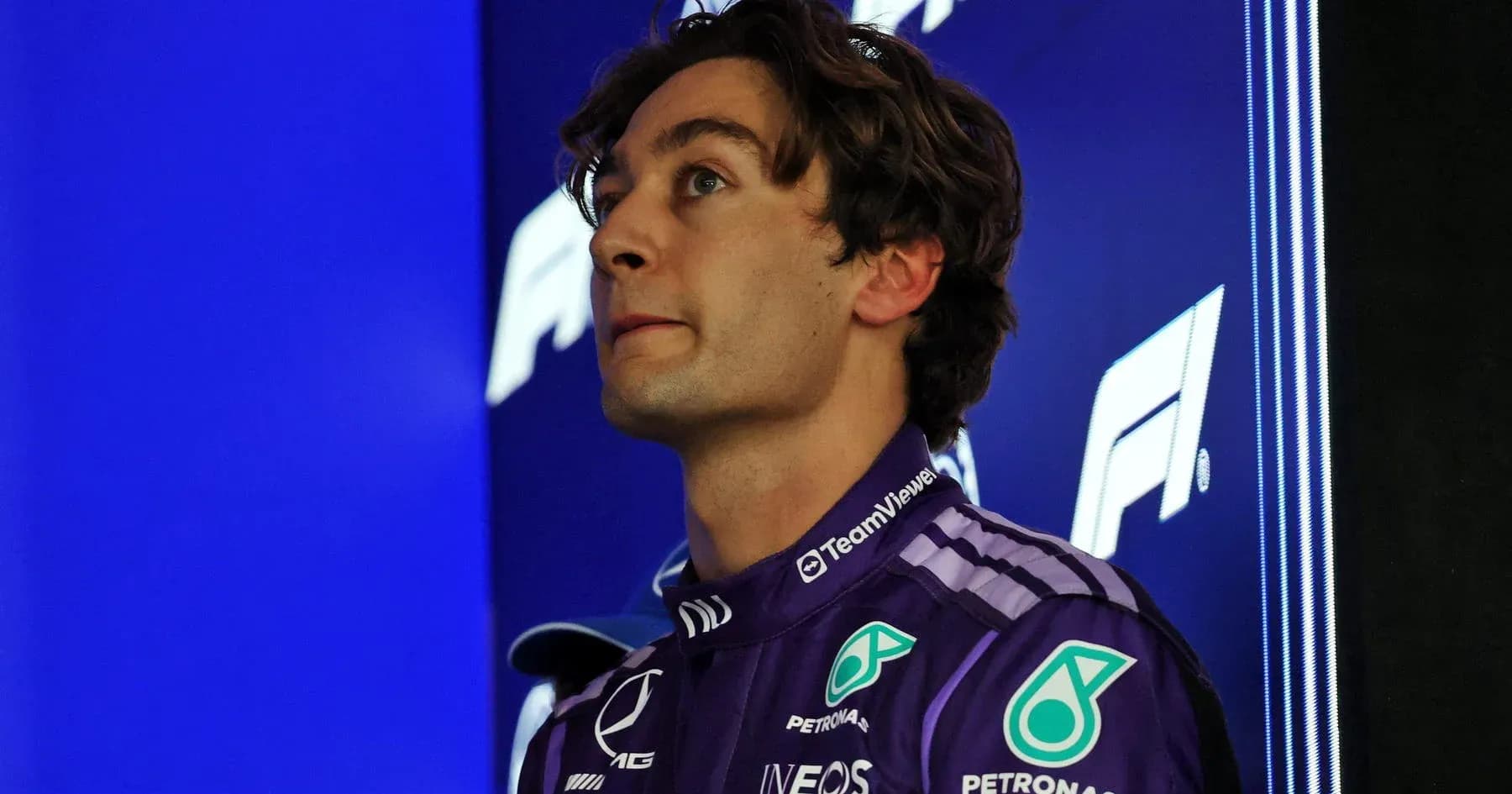
Mercedes had confirmed he would take another ICE, and because this is his second such engine beyond the yearly limit, the penalty is reduced: five grid places instead of 10. The rules soften the blow for repeat changes of the same component, and Russell benefits from that clause.
It still stings. In a midfield pack where a couple of rows can decide whether you’re racing the front-runners or stuck in DRS trains, five places is plenty.
A scrambled grid, a volatile race
All of this leaves Sunday’s Brazilian Grand Prix on the brink of chaos before qualifying has even set the order.
Front-running cars will be buried in traffic. Strategy calls will matter as much as raw pace. Safety cars, timing of stops, and the art of overtaking at Interlagos could define the weekend more than any one-lap heroics.
The stewards have done their work. Now the question hangs over São Paulo: who will turn a penalty-riddled starting spot into a statement drive?