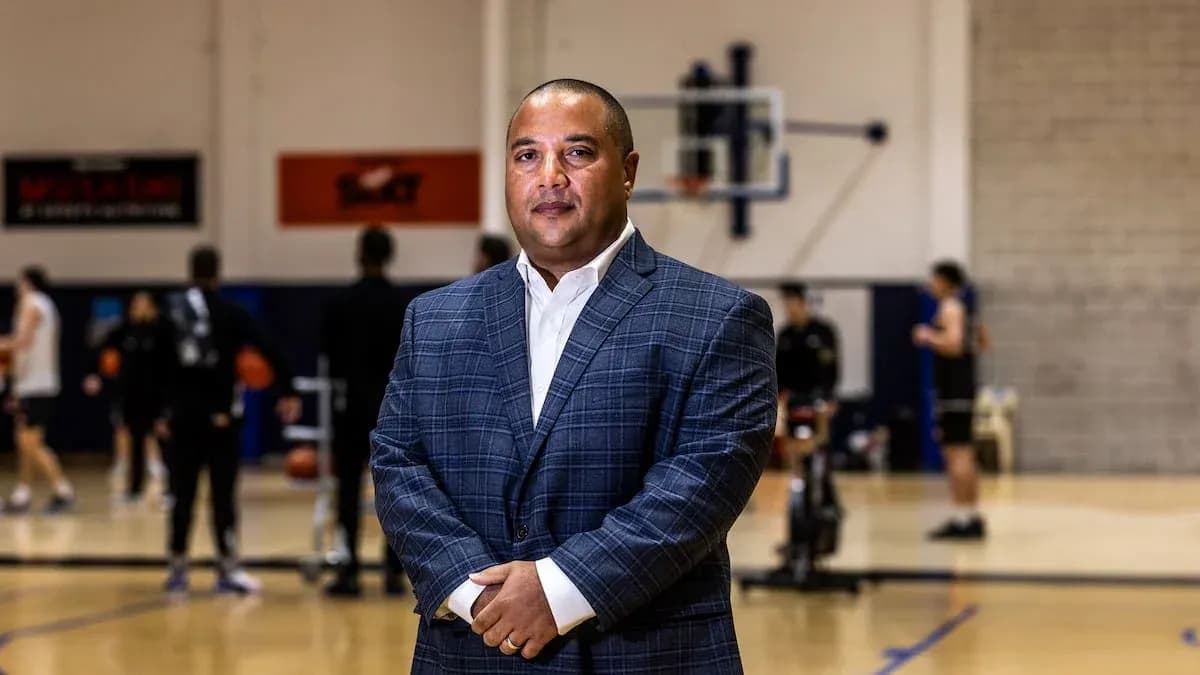
Breakers Rebuild at Atlas Place: Aiming for Championship Glory
The walls at Atlas Place tell the story. Fresh paint. A new court, gifted by Steven Adams. Modernised facilities where once there were tired corners and fading memories of past titles.
For the first season under new ownership, not much changed on the surface. Then Matt Walsh’s former partner in the club, American businessman and lifelong Lakers fan, came back in as owner and started tearing into the project. New logo. New uniforms. New coaching staff. New roster. And, crucially, the return of the Breakers academy.
It is a reset, but not a clean break. It is a club trying to remember what made it special in the first place.
A Kiwi club, rebuilt from the ground up
“When I bought the team, we had to restart everything,” the owner told the Herald. He talks about foundations a lot. About culture. About community. The first major call was to bring back Dillon Boucher, a man stitched into the fabric of the franchise.
Boucher’s presence is a signal: this is not a vanity project. This is a return to the ethos that delivered four NBL titles in the 2010s – winning on the floor, visible in the community.
Step by step, the owner has built a staff he trusts. Atlas Place has been overhauled. The academy is back after six years in hibernation. The club has a new identity, one he insists reflects New Zealand – its heritage, its people, its land.
The Breakers remain the lone Kiwi flag in an Australian-based competition, and he wants that to be unmistakable. Not just a team based in Auckland, but a team that feels like it belongs to the country.
He frames it as a two-year plan. Put the right people in the right roles, on the court and in the front office. Build infrastructure for sustained success, not a quick spike. He believes they’ve reached that point now.
“We’ve got a great set of people who are working every day to make this a great experience,” he says.
Now the theory gets tested.
New coach, new steel
On Sunday, Spark Arena hosts the home opener against the Illawarra Hawks. For all the off-court work, this is what the rebrand will really be judged on.
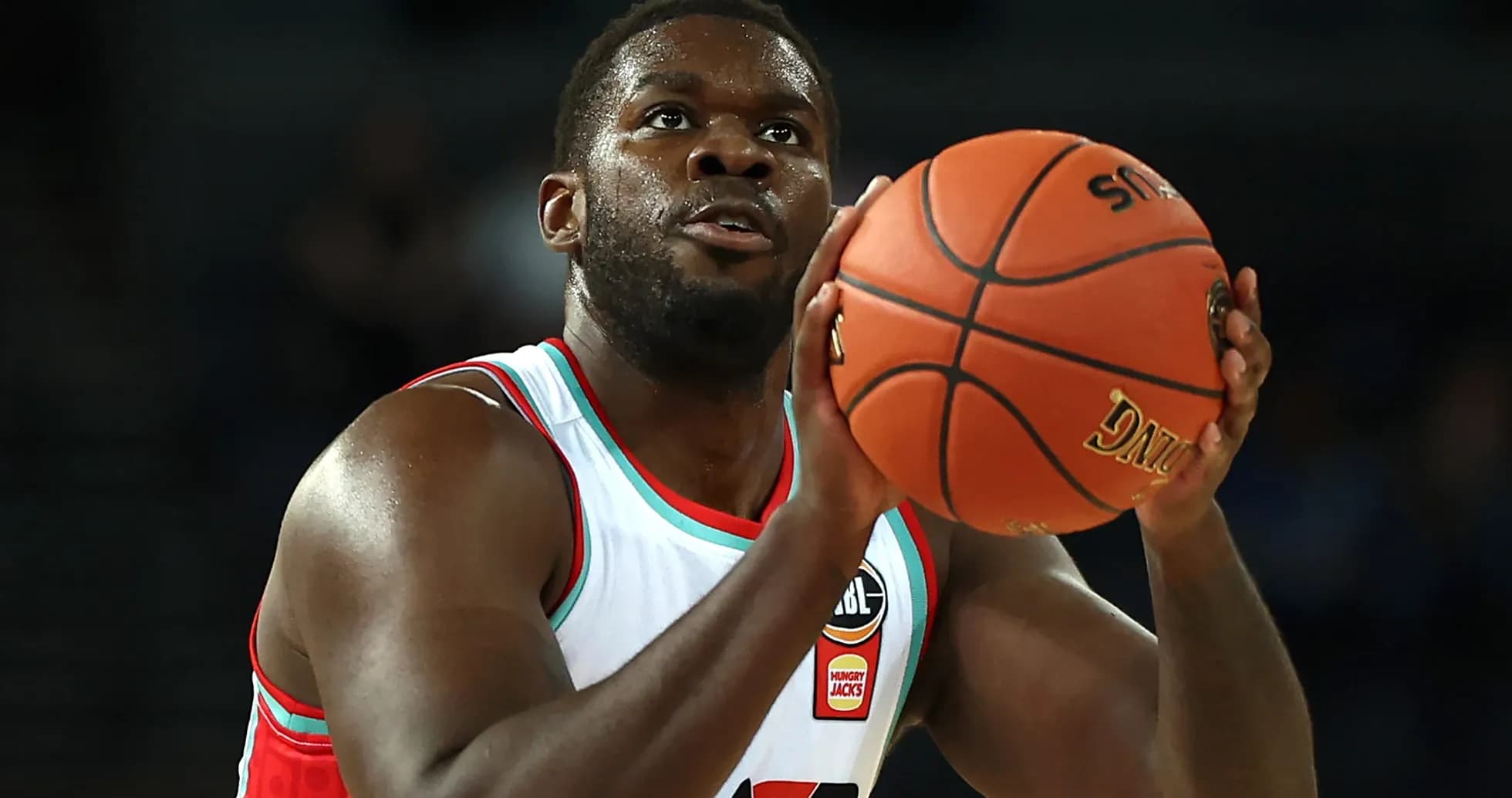
The roster carries a strong spine. Parker Jackson-Cartwright and Sam Mennenga return as anchors. Around them, the Breakers have added proven NBL winners in Kouat Noi and Dejan Vasiljevic, plus international size and versatility in Charles Bediako and Josiah-Jordan James. James, a defensive Swiss army knife who can also stretch the floor, will miss the start of the season with a hamstring injury, but his role later in the campaign looms large.
The biggest statement, though, sits on the bench.
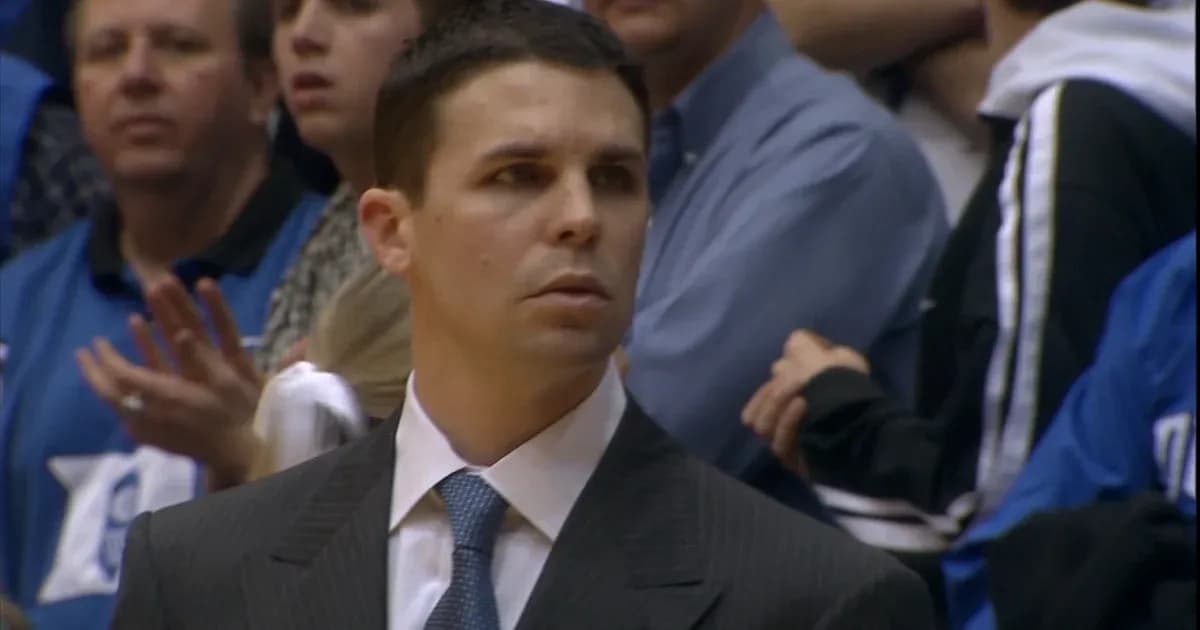
Gordon Herbert arrives with a CV few in the league can match. The Canadian has coached at the sharp end of European basketball, spent time as an assistant with the Toronto Raptors, and, in 2023, led Germany to a FIBA World Cup title. That kind of pedigree does not usually land in New Zealand.
“No one thought we could bring him to New Zealand, but we were able to do it,” the owner says. Herbert, he adds, is “excited to be here”.
Herbert’s staff has a distinctly local flavour: New Zealanders Matt Lacey, Quinn Clinton and Josiah Maama, alongside lead assistant Sebastian Gleim, who previously coached the Franklin Bulls in the New Zealand NBL. The blend is deliberate – global expertise, Kiwi heartbeat.
The international reach of this coaching group and roster reflects a broader ambition. The owner believes the Breakers now sit on the radar of players who once would have glanced past New Zealand on a map of their career options.
“We brought in a lot of players who I think in years past might not have taken a hard look at coming to the Breakers,” he says. The brand, he insists, is now recognised. The expectation: to be competitive, every year.
Written off across the Tasman – again
Across the ditch, the reception has been colder. Australian pundits are already shuffling the Breakers towards the bottom of the table in their predictions. One statistic keeps getting thrown back at them: they are the only team in the league without NBA experience on the roster.
The owner shrugs at that.
To him, it is a quirk, nothing more. NBA pedigree looks good in a bio, but it doesn’t guarantee stops, shots or wins in the NBL. He points out that his players have logged minutes in the G League and high-level competitions around the world. In most seasons, Breakers squads – like those of their rivals – have included men with NBA ties. This time, they have chosen fit over labels.
“We’ve found the right guys for this year and the guys who fit well together with the locals that we brought in before,” he says.
For him, the honour still sits in something bigger: being the one New Zealand team in a league that is flourishing, carrying the country’s flag in an Australian competition where they were once the first Kiwi club to win a title in any sport.
Expansion talk and a wider footprint
The NBL itself is restless. Conversations swirl about new teams on the Gold Coast, in Canberra, and a renewed push into Asia. Any second New Zealand side would need an arena capable of holding 8000 to 12,000 fans, a hurdle that currently makes expansion across the Tasman unlikely.
The Breakers’ owner listens to all of it with interest. His reading of the league’s mood: it wants a broader global footprint. Asia is the next logical step.
He expects to see the Breakers playing more pre-season games there, using those trips to grow the club’s presence beyond Australasia. The plan is clear – make the Breakers a recognisable name wherever basketball is played.
The academy returns – and so does the pathway
Amid the push for wins now, there is a quieter project that might matter just as much: the revival of the Breakers academy.
After six years away, it is back with an initial intake of 20 male athletes, school years 11-13, drawn from six Auckland high schools. The academy has history. In previous iterations, it helped unearth players like Mennenga, Reuben Te Rangi and Anzac Rissetto – all now part of the club’s present.
The owner wants young New Zealanders to have a pathway: to college scholarships, to professional careers, to the life lessons sport forces on you.
“The academy is really important because it is for the entire country to highlight the best young players,” he says. Not all of them will become Breakers. That is not the point. The programme exists to keep them playing at a high level, open doors to college, and use basketball as a vehicle for something bigger.
That philosophy runs through almost everything he says. Connection. Community. Opportunity.
A personal stake in a small basketball nation
Scepticism lingers in some corners. His involvement in the previous ownership group left scars for parts of the fanbase. He knows that. He counters by pointing to the people he has brought back into the fold.
Dillon Boucher. Paul and Liz Blackwell. Names that carry weight with long-time supporters. He is adamant they will remain part of the club’s fabric for as long as he is involved. History matters. So does doing things “the right way”.
His ties to New Zealand are not just professional. His wife, Jessica, is a Kiwi. The couple and their three children have lived here, including an intense first 18 months during Covid when borders were closed and the country felt both isolated and tightly bound. He has been coming to New Zealand for more than two decades and says he has grown to love every corner he has visited.
His love of sport, though, was born far away – in Los Angeles, under the bright lights of the Lakers’ Showtime era. Jerry Buss in the owner’s box, Magic Johnson and Kareem Abdul-Jabbar on the floor, a city built around a team. He still holds Lakers season tickets. He saw what a winning franchise can mean to a community. He wants the Breakers to be that kind of presence here.
Swansea, Snoop Dogg and a wider sporting portfolio
His sporting portfolio stretches beyond basketball. In 2023, he fronted a consortium that tried to land an Auckland-based A-League football licence. That bid lost out to a group led by Bill Foley, Ali Williams and Anna Mowbray.
He did not step away from football. Instead, he joined the ownership group of EFL Championship club Swansea City, a collective that also features TV personality Martha Stewart, Croatia star Luka Modric and Calvin Cordozar Broadus jnr – better known as Snoop Dogg.
Swansea’s squad includes All Whites World Cup players Elijah Just and Marko Stamenic, giving the club a direct New Zealand connection. As of Friday morning, Swansea sat second in the Championship table.
He has met Snoop Dogg before, but not yet in the context of Swansea. That introduction is still to come. In July, he took his family to Wales, visited the club, met the coaches, front office and players, and came away impressed with their direction.
“Sports in general to me is a passion,” he says. When the Swansea opportunity came, he could not walk past it.
Golf, global guests and the chase for banner No 5
There is more on the horizon. He hints at future moves into other New Zealand sports. One project is already locked in: the Breakers’ first annual Celebrity Golf Invitational, planned for January.
The response has been strong. For him, golf offers a perfect stage – a way to showcase New Zealand’s landscapes, bring international names into the country and funnel attention and resources back into basketball development.
Amid all the side projects and expansion talk, the central target has not shifted. The Breakers want another championship banner to hang alongside the four they claimed in the 2010s. They remember being the first New Zealand team to win a title in an Australian sporting competition. That history still burns.
Last season teased what might be possible. They won the pre-season tournament. They won the in-season tournament. They did not win the one that matters.
“Those are steps along the way,” the owner says. “The ultimate goal is to get to a championship, so we’re trying to do everything in our power to allow our guys to do that.”
He talks about taking best practices from around the world, dusting them with something uniquely Kiwi, and planting them in New Zealand soil.
The court at Atlas Place is new. The logo is new. The coach is new. The academy is reborn. The question now hangs over Spark Arena and every road trip to come: can all of this, finally, turn into banner number five?