British Basketball Season Preview: Competition at an All-Time High
Paul Blake has seen a lot. Three decades of British hoops, the rise and fall of leagues, the boom-and-bust cycles that used to define the sport. And yet, as the new season looms, the Newcastle Eagles owner is adamant.
"It's definitely the most competitive it's been, pretty much in all those 30 years."
British basketball is not just back. It’s bristling.
Lions chasing history at home and abroad
The men’s Super League Basketball tips off its third season on Friday with a familiar target at the top of the mountain. London Lions, fresh from a domestic clean sweep last year – SLB Championship, SLB Playoffs, SLB Cup and SLB Trophy – open their title defence away to Bristol Flyers.
They are not easing themselves in. They never do.
The Lions have built a roster and a brand that stretches well beyond British borders. They return to the EuroCup for a second straight year, determined to erase the frustration of finishing eighth in a 10-team group last season, even if that run did include a statement win over eventual finalists Besiktas Gain.
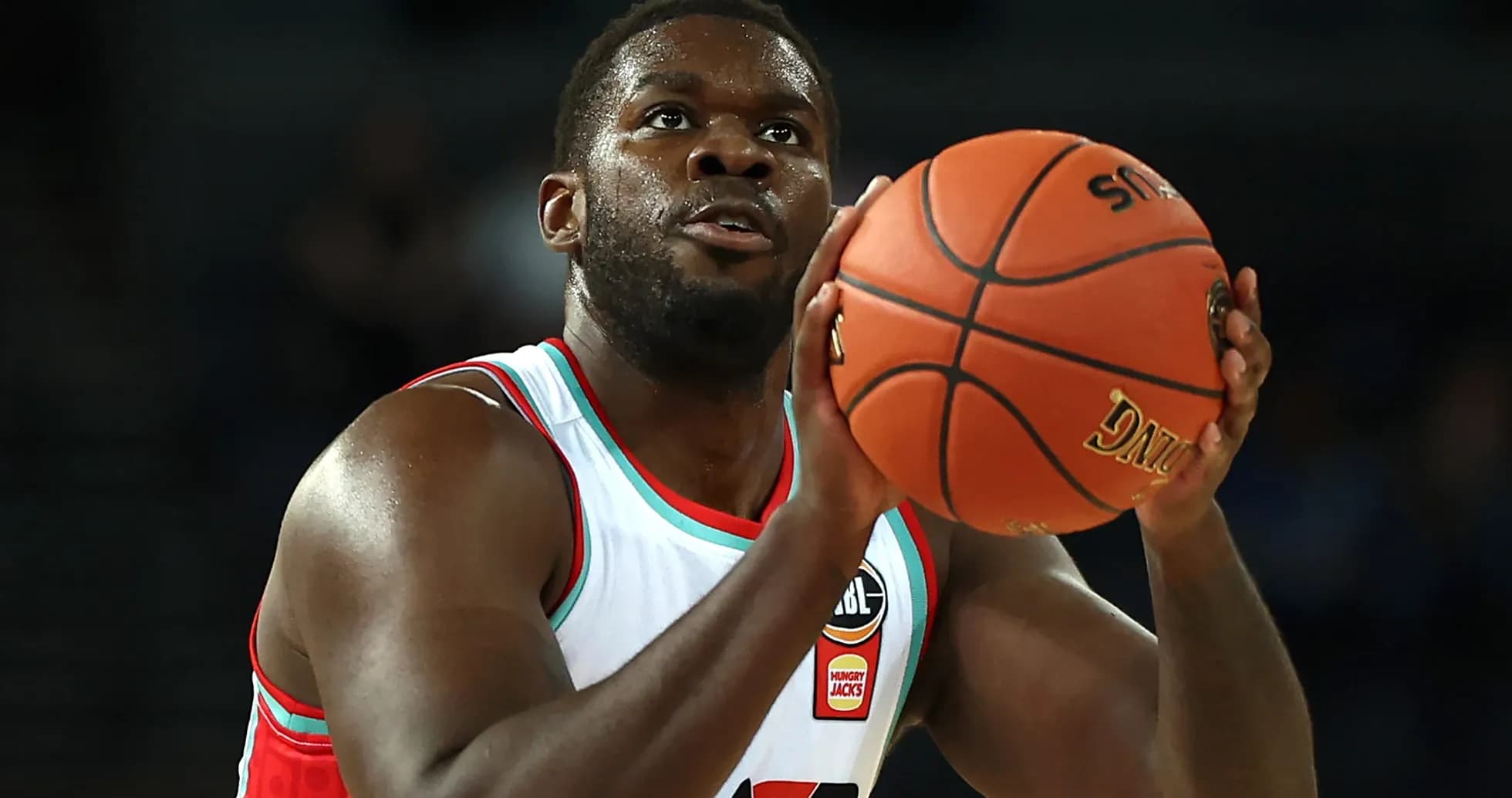
This time, they arrive with reinforcements. Among the summer additions is Keenan Evans, a 2025-26 EuroLeague winner, on loan and expected to lift the London backcourt to another level.
"We have ambitions to definitely outperform last year," says Lions CEO Lenz Balan. There is no attempt to play expectations down. "It's going to be tough, but these are some of the best players in the world."
The confidence is not idle. Earlier this month, London beat EuroLeague side Paris Basketball in pre-season, a result that sharpened belief inside the club that they belong on that stage.
And yet even that is not the headline act.
On 12 October, the Lions will stride into NBA territory, becoming the first British side ever to face an NBA team when they meet Portland Trail Blazers in a friendly in the United States. For Balan, it lands somewhere between dream and mission statement.
"I've wanted to be in the NBA since I was six years old. This is the closest I've ever been," he says. "This is the ambition. We are absolutely trying to be one of the best clubs in the world."
The message is clear: London do not just want to dominate Britain. They want to be recognised, and feared, everywhere.
A league that bites back
For all the Lions’ swagger, there is a growing sense that the rest of the SLB is no longer content to play supporting roles.
Ten teams will contest the men’s competition this season, up from nine, with Liverpool Basketball joining the fray. It’s a small expansion, but it comes at a time when British clubs are finally landing blows in Europe.
Manchester Basketball set a new marker this week, becoming the first British side to win a qualifying round game in Fiba’s Basketball Champions League, knocking off German club Wurzburg Baskets. It was more than just a result; it was a sign that British teams can now walk into European arenas and expect to compete.
Bristol Flyers, London’s opening-night opponents, have their own continental ambitions. They return to the European North Basketball League, where Manchester reached the final last season. These are not vanity projects. They are testing grounds.
Blake, who also sits on the SLB board, has watched the talent level rise across the league.
"The quality of players that are now in the league across the teams top to bottom is, for me, pretty much the highest level it's been," he says. "It's extremely competitive."
For once, that doesn’t sound like a sales pitch. It sounds like a warning.
The Lions may have swept the board last year, but the gap is narrowing. Clubs are recruiting smarter, investing deeper and refusing to be overawed by London’s resources or profile. Every away trip feels a little more dangerous. Every slip could cost silverware.
The domestic quadruple is there to be defended. It is also there to be attacked.
Women’s game ready to step into the light
Fifteen days after the men get going, the women step onto centre stage.
SLBW, the women’s Super League, begins on Saturday, 3 October, with defending champions and play-off winners B Braun Sheffield Hatters travelling to Cardiff Met Archers. The fixture list says opening day. The mood around the league suggests something closer to a new chapter.
In Cardiff, the Archers are built around a model that reflects both the reality and potential of the women’s game. Four players are salaried while studying for masters degrees at the university. The rest of the roster is a blend of scholarship athletes, postgraduate and undergraduate students, and players juggling basketball with full-time jobs.
They are not just chasing trophies. They are building lives.
Archers head coach Stef Collins, a Great Britain Olympian from London 2012, sees a moment worth seizing.
"I think there's an opportunity to build something that people genuinely want to watch and follow," she says. For her, the evidence is already out there.
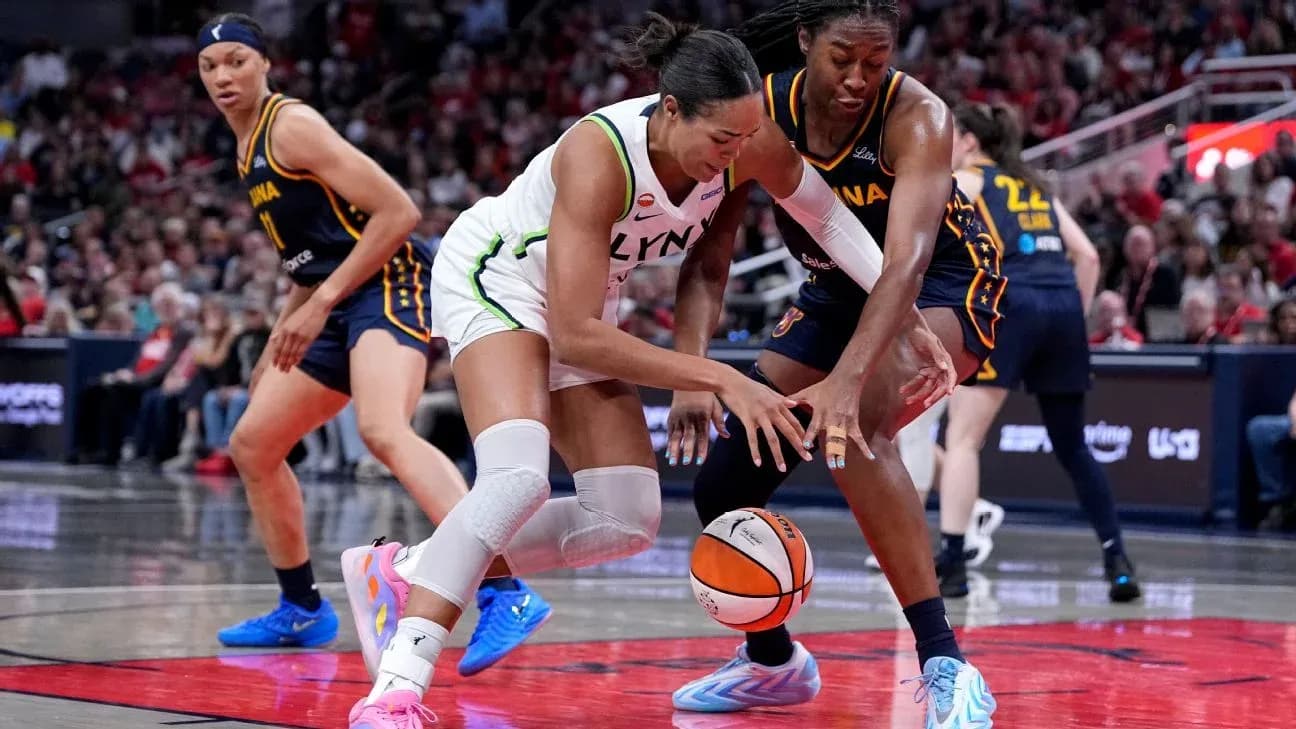
Women's basketball has exploded internationally, with the WNBA and NCAA college game pulling in audiences, sponsors and storylines that cut through the wider sports landscape. The recent Women's World Cup in Berlin underlined that surge. The United States claimed a fifth straight title, beating France in the final, but the bigger number came in the stands: more than 230,000 fans attended, the highest figure in the modern era.
Collins wants SLBW to ride that wave, not watch it from afar.
"For me, it's also about telling the stories of the players," she says. "They're not just basketball players - they're students, they're professionals, they're international athletes, they're role models."
That storytelling is no longer a side project. It is central to growth. The WNBA has shown what happens when a league invests in visibility. In 2025, its clips drew more than one billion views on Instagram, making it the most-followed women's sports league on the platform. Collins sees a blueprint there for SLBW.
"The WNBA is a really good example of what happens when you give women's basketball a platform and make the players and their stories visible," she says. Fans don’t just follow scores; they follow people.
"We shouldn't be afraid to market women's basketball differently and allow our players to be themselves."
A sport on the brink
British basketball has been here before, staring at a supposed turning point. Too often, the moment slipped away.
This time feels different. A men’s league deepening in quality and ambition. A London side daring to challenge the NBA’s orbit. Clubs like Manchester and Bristol dragging the badge into European relevance. A women’s competition ready to lean into personality and narrative, not hide from it.
The ball is about to go up on another season. The question now is not whether British basketball can compete.
It’s how far, and how fast, it’s willing to go.