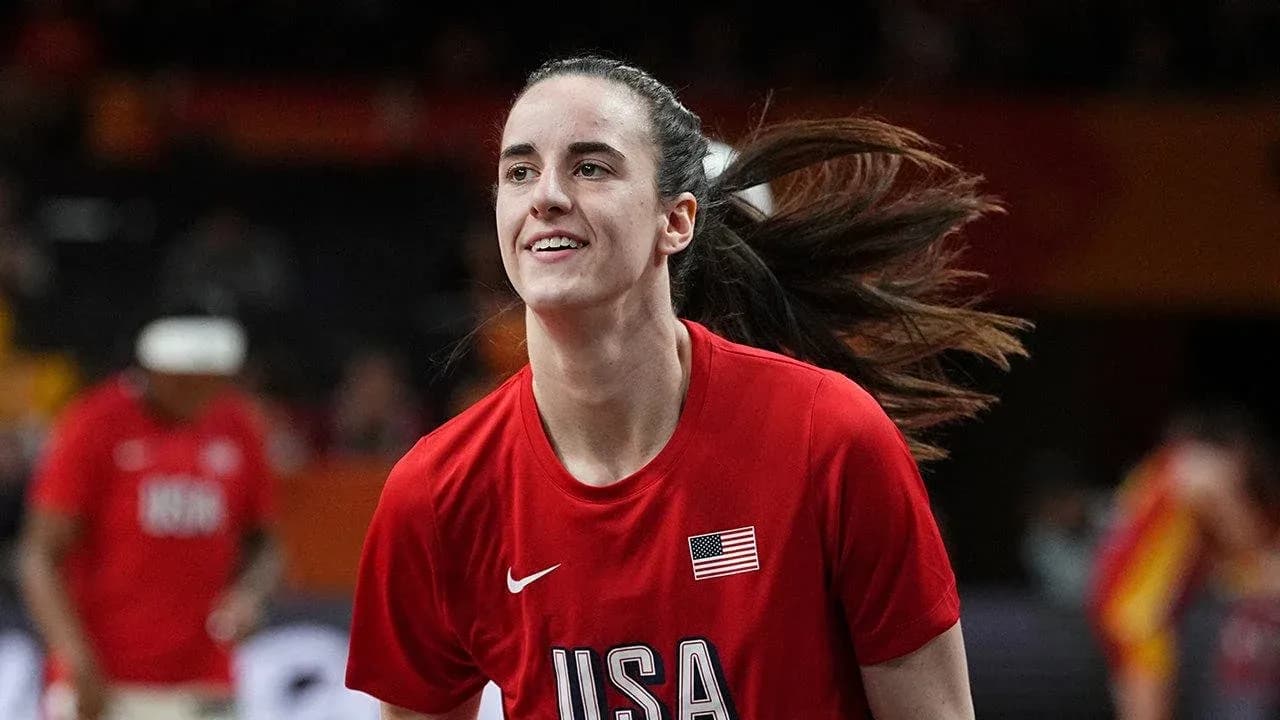
Caitlin Clark's Moment at the FIBA Women’s Basketball World Cup
Caitlin Clark had to wait for her moment.
Those tuning in to see the WNBA’s newest phenomenon step straight into the global spotlight for Team USA at the FIBA Women’s Basketball World Cup on Friday were made to hold their breath a little longer. Kara Lawson’s first starting five of the tournament against China did not include the player who has been rewriting record books all summer.
Instead, Lawson turned to experience and continuity. Chelsea Gray and Jackie Young opened in the backcourt, with Breanna Stewart, Kahleah Copper and Napheesa Collier completing a lineup built to set the tone in a rematch of the 2022 gold-medal game. Gray, so influential in that title run two years ago, resumed her role as on-court metronome. Young, now one of the premier guards in the WNBA but absent from that 2022 roster, wasted no time justifying her promotion, pouring in seven of Team USA’s first 20 points as the Americans surged out in front.
The pressure told early. China, still scarred from that narrow loss in the last World Cup final, watched the scoreboard tilt heavily in red, white and blue before Clark even rose from the bench.
Midway through the first quarter, the wait ended.
Clark checked in and the energy in the building shifted. Every touch drew a murmur. Every advance over half court carried a sense that something clever, something sharp, might be coming. She did not arrive hunting shots; she arrived to orchestrate. By the end of the opening period, she had only two points — a simple layup — but four assists and a rebound, already bending the offense to her vision.
Lawson had seen enough in recent months to trust that this version of Clark would translate to the international stage. Speaking before the tournament, the USA coach described her as “great” and “coachable,” then expanded on what has made the rookie such a fast-rising star. Clark, she said, is fiercely competitive, supremely skilled and sees the game at a “high level” — always a step ahead with her passing, her shot selection, and her belief in what she can do.
That belief is backed by numbers that barely seem real.
Clark arrived at the World Cup coming off a blistering August in the WNBA. Across that month, she either scored or assisted on 44.7 points per game, the highest mark ever recorded in a single month in league history. Every possession seemed to end with her either drilling a jumper from deep or slipping a pass through a gap that barely existed.
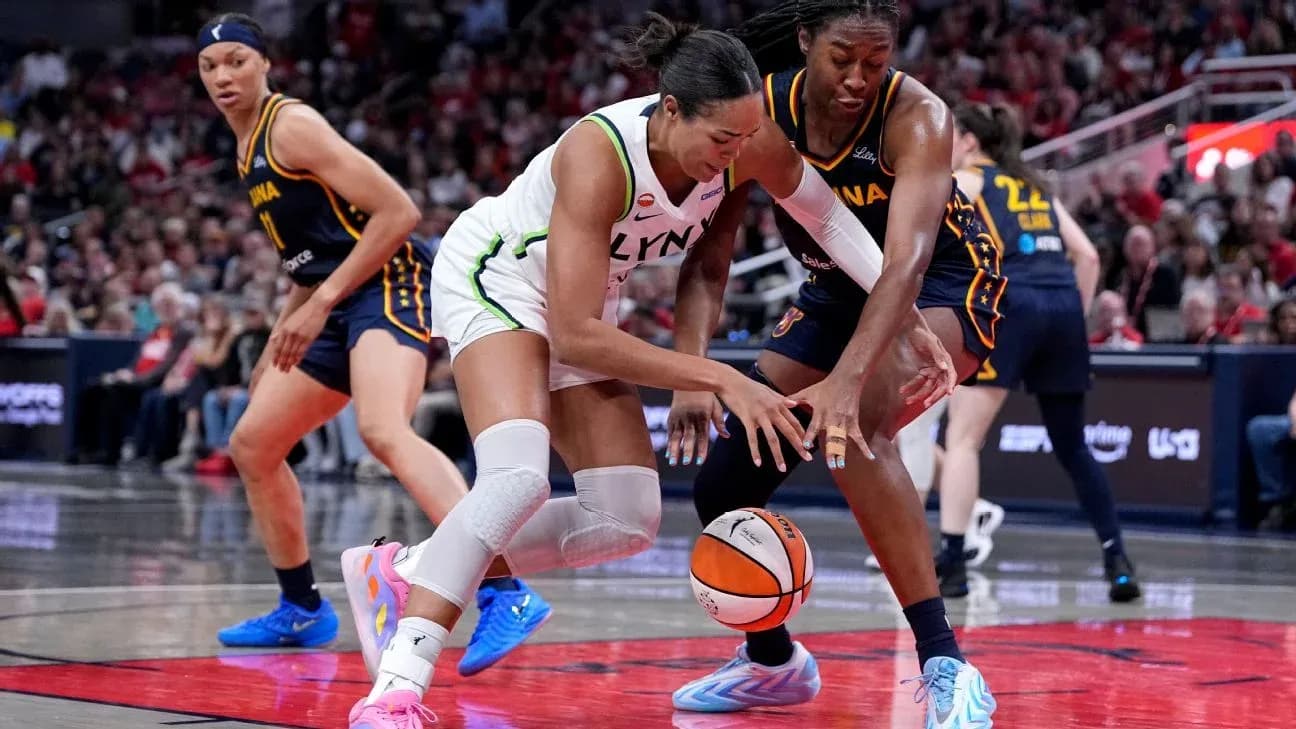
She didn’t just flirt with big stat lines; she stacked them. Clark became the first player in WNBA history to post back-to-back games with at least 30 points and 10 assists. Both came in the Indiana Fever’s final two outings before the international break. First, she dropped 34 points and 12 assists in a 111–91 win over the Connecticut Sun. Then she somehow topped it: 37 points, including eight made three-pointers on 12 attempts, plus 10 assists in a 113–90 victory over the Chicago Sky on August 23.
Those weren’t isolated explosions. Clark put together five games in August with at least 20 points and 10 assists. No other player in the league has matched that total over the last five seasons combined.
By the time the calendar flipped, she was averaging 24.4 points per game for the month — the highest-scoring month by a point guard in WNBA history. Not just rookie history. League history.
Yet on opening day of the World Cup, Lawson leaned on her veterans to launch the title defense. The message was clear: spots in this team are earned over time, not handed over on hype. Gray, Stewart, Collier and Copper have all paid their dues at this level. Young is now in that conversation too.
Clark, for now, begins as the change of pace, the spark off the bench. The same goes for Angel Reese and Paige Bueckers, two more headline names who also waited for their introduction as the second unit checked in.
But tournaments are long. Rotations evolve. If Clark’s WNBA form bleeds into this World Cup, Lawson may soon face the kind of problem every coach wants: how do you keep a player like that out of the starting five?