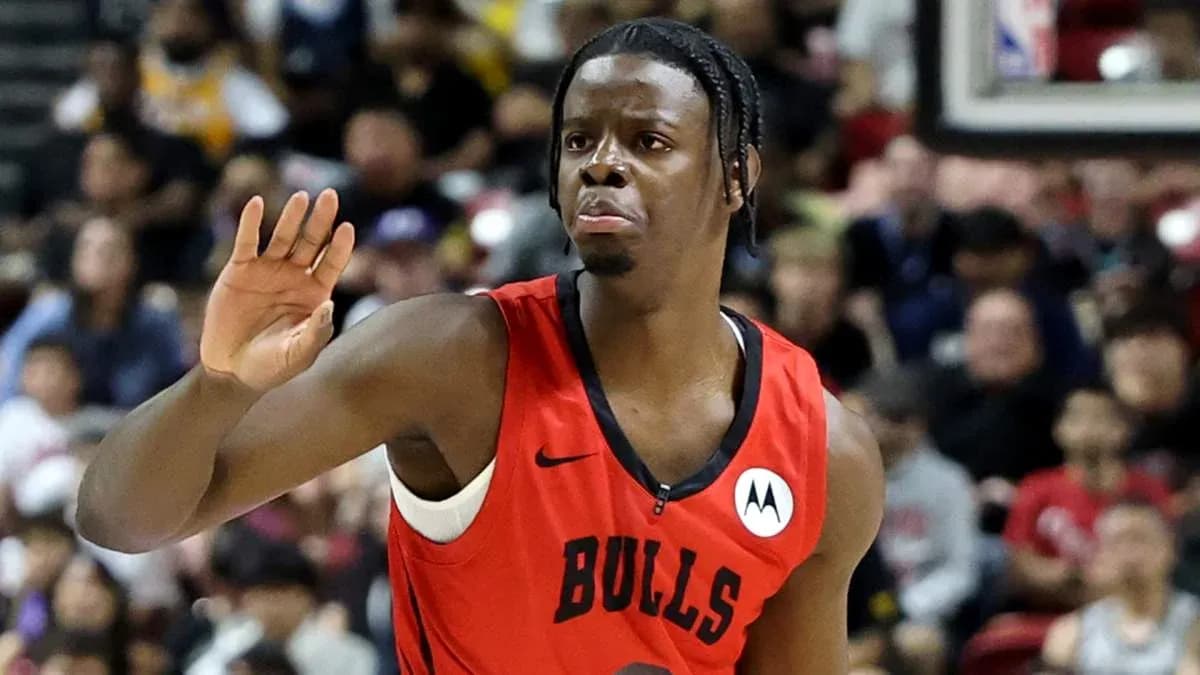
Caleb Wilson: The Chicago Bulls' New Hope
The Chicago Bulls have talked themselves into hope before. This feels different.
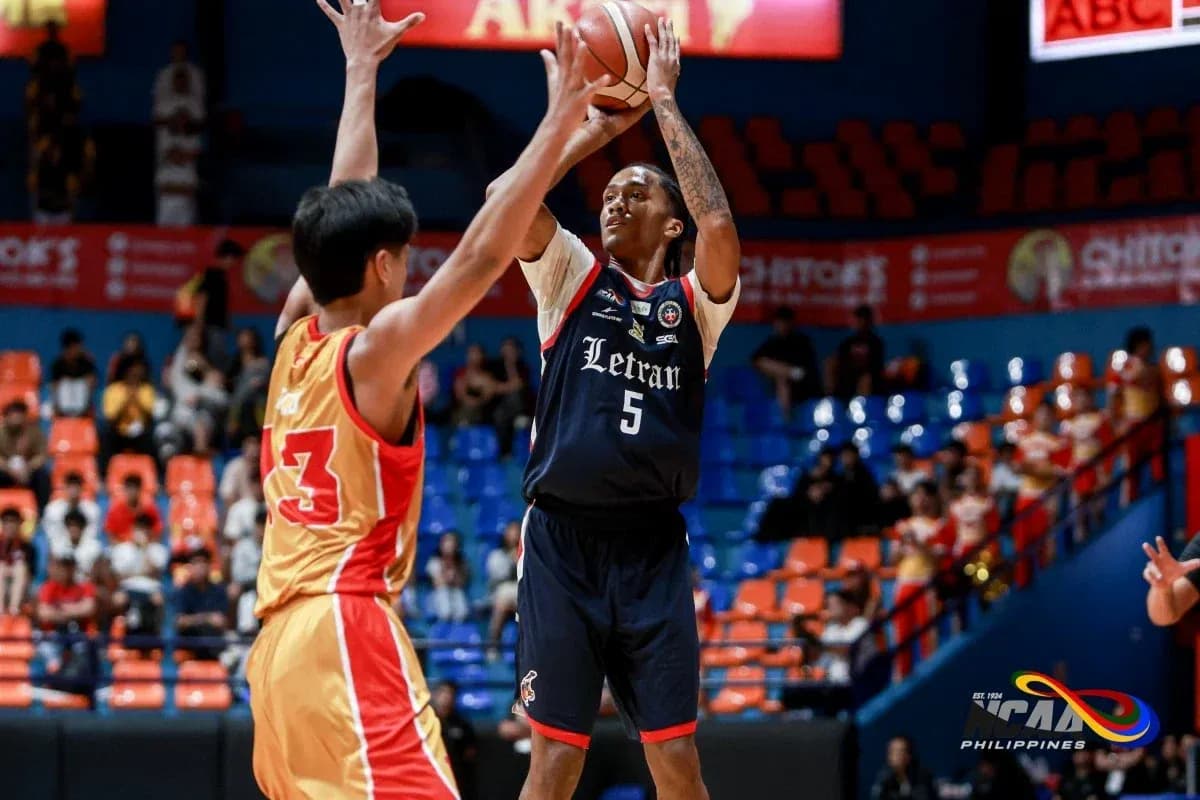
They didn’t just draft a prospect at No. 4. They planted a flag in the ground with Caleb Wilson, then watched him storm through the 2026 NBA Summer League like it was a soft launch for his rookie year.
Twenty-three and a half points. Seven-point-three rebounds. Two and a half blocks. More than a steal a night. Five games, one statement: this is a player you build around, not just ease into the rotation. The All-Summer League First Team nod only confirmed what the numbers screamed.
Inside the organization, they’re already calling him a “dude.” Not a project. Not a maybe. A piece.
A new front office, a new pillar
The Bulls didn’t stop at the draft. They reset the top of the organization too, handing the keys to Bryson Graham as executive vice president for basketball operations and asking him to drag the franchise out of its muddled middle.
According to ESPN’s Jamal Collier, Wilson is more than Graham’s first major draft pick. He’s a pillar for this new era, the kind of player you tie your tenure to.
Graham isn’t hiding from that responsibility, but he’s not skipping steps either. Development sits at the center of his plan.
“We just want to see internal growth from our young guys and even from our veteran players,” Graham told ESPN. “We just want to see a team that’s going to go out there, represent this city well, play hard and obviously continue to grow and continue to develop.”
That word—grow—keeps coming up around Wilson. The Bulls love what he is already. They’re even more intrigued by what he could become.
“Little Ticket” and big expectations
The league has seen tall, long, hyper-skilled forwards before, but Wilson’s blend of tools has already drawn heavyweight comparisons. Around scouting circles and in early chatter, his name has been mentioned alongside Kevin Garnett, Giannis Antetokounmpo and Tracy McGrady.
That’s not a scouting report. That’s a standard.
North Carolina has produced pros for decades, but Wilson’s profile feels supercharged for the modern game: length to protect the rim, mobility to defend in space, touch and confidence to score from all over the floor. In Summer League, he didn’t just fill up the box score; he controlled games, altered shots, and carried himself like someone who expected to dominate.
Then came the nod that turned heads across the league.
Garnett himself showed up to one of Wilson’s preseason games, watched the rookie move, compete, talk, and saw enough of his own edge in the kid to give him a nickname: “Little Ticket,” a clear tribute to his own “The Big Ticket” moniker.
You don’t earn that kind of blessing with one hot night in July. You earn it with presence. With bite. With a game that feels scalable when the lights get brighter and the defenders get meaner.
The Bulls know the danger of comparisons. They also know you don’t get many chances at a talent this clean at the top of the draft. Wilson isn’t being treated like a curiosity. He’s being treated like a cornerstone.
Tiago Splitter steps in with a plan
If Wilson is the centerpiece on the floor, Tiago Splitter is the architect on the sideline.
One of Graham’s boldest early moves was to hire Splitter as head coach, a decision that underlines the franchise’s pivot toward structure, accountability, and adaptability.
Splitter arrives with credibility earned the hard way. Thrown into the fire in Portland as interim coach in just the second game of last season, after Chauncey Billups was arrested in connection with an illegal gambling investigation, he walked into chaos and turned it into a playoff team.
The Trail Blazers didn’t just sneak in. They punched their ticket as the seventh seed and even stole a playoff win from the San Antonio Spurs. Splitter managed a tricky blend of youth and experience, leaning on Deni Avdija and Jrue Holiday to steady a roster that could have easily unraveled.
That run didn’t go unnoticed in Chicago.
Here, the challenge is different. The Bulls are not trying to salvage a season; they’re trying to define a future. Splitter’s job is to install a system that can maximize Wilson and the rest of the roster without boxing them in.
“You have to adapt your system to the players you have,” Splitter said. “Yes, I have a vision. I have a certain way I want to play, but you also have to explore what they do best. That’s what we’re going to do here.”
That line matters. Too many rebuilds die on the hill of rigid ideology. Splitter is signaling something else: a framework, not a cage.
Chicago’s next identity test
So here they are: a new executive, a new coach, a new face of the franchise, and a fanbase that has been waiting years for a team that looks like it belongs in the modern NBA.
Wilson’s numbers in Summer League won’t mean anything in April if they don’t translate. Splitter’s playoff cameo in Portland won’t matter if his voice doesn’t land in a Chicago locker room that has seen coaches come and go.
But for the first time in a while, the Bulls have alignment. The front office sees Wilson as a pillar. The coach is ready to build around what his players actually do best. The franchise has a rookie nicknamed “Little Ticket” by one of the most ferocious competitors the league has ever seen.
The question now isn’t whether Chicago has a direction.
It’s how fast Caleb Wilson and Tiago Splitter can turn that direction into a team nobody wants to see on their schedule.