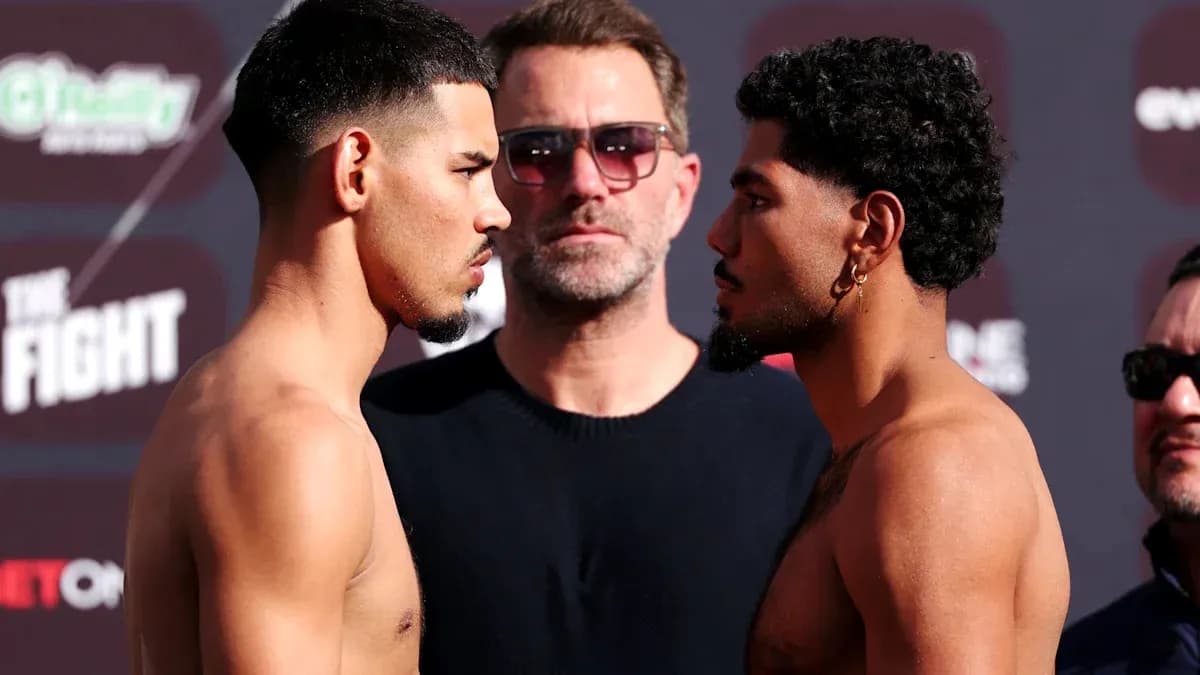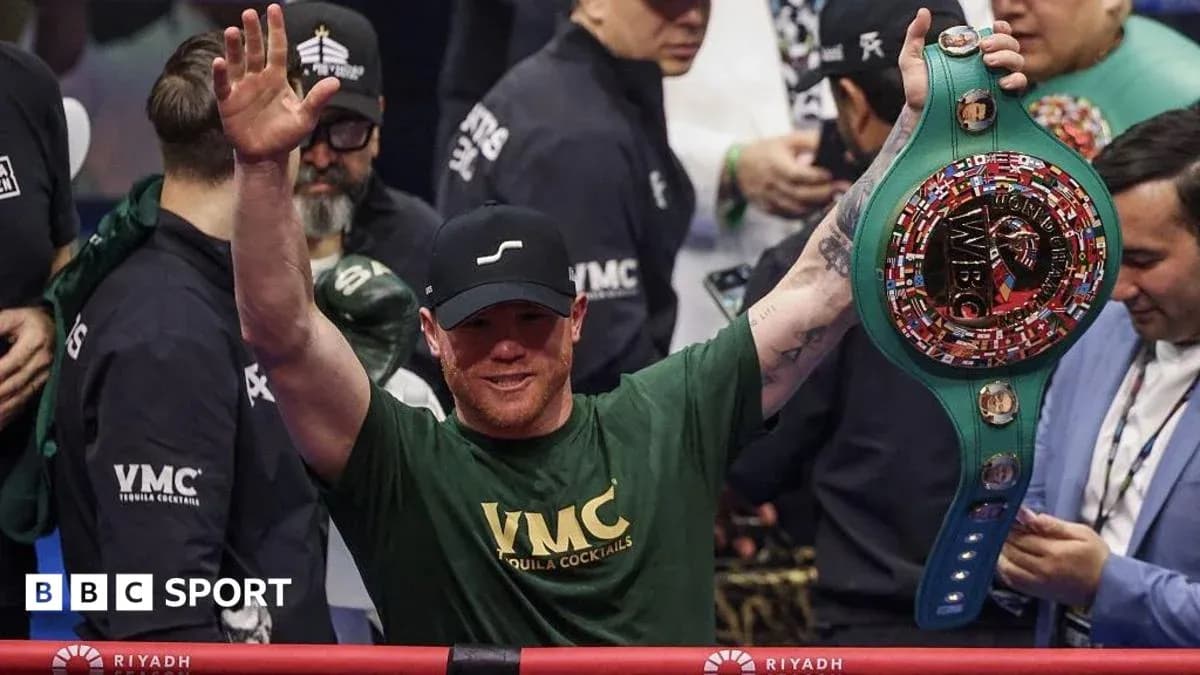
Saul ‘Canelo’ Alvarez walked into Riyadh with no belt around his waist and a year’s worth of doubts on his shoulders. He walked out the WBC super-middleweight champion again, looking every bit the old master who once ruled boxing’s pound-for-pound lists.
In his 69th professional fight, at 36, against an unbeaten and hungry Christian Mbilli, Alvarez didn’t just reclaim a title. He reclaimed control of the narrative around his career.
Vintage Canelo in a volatile city
On a night staged under the shadow of real-world conflict, with ballistic missiles reportedly intercepted over Riyadh just days earlier and recent strikes having killed and injured hundreds in the city, boxing pressed on where other sports stepped back. High-profile events in Saudi Arabia had already fallen away from the calendar, but the ring stayed open.
Inside it, Alvarez delivered something familiar, almost comforting: calm under pressure, sharp eyes, sharper counters.
The scorecards – 115–112, 116–111, 117–110 – told the story of a clear, authoritative win. It was the 64th victory of a four-weight world champion whose career has stretched across three decades and multiple eras. For Mbilli, 31 and Cameroon-born but based in Canada, it was a harsh first blemish after 30 straight wins.
He had come in as the WBC champion, elevated to full title status in January and defending the belt for the first time. Alvarez, for the first time since 2015, entered a fight without a world title. That detail mattered. You could see it in the way he set his feet, the way he read each rush from Mbilli as if turning the pages of a familiar book.
Early storm, old answers
Mbilli started like a man determined to make the most of his moment. He pressed forward, crowded Alvarez, and pinned him to the ropes whenever he could. Leather flew. The champion threw far more punches, trying to smother the Mexican and test those supposed fading reflexes.
Alvarez’s response was pure theatre and pure calculation. He rolled with shots, dipped at the waist, then straightened up and shook his head as if brushing off an insult. He beckoned Mbilli in again, almost daring him to open up.
The pattern quickly became clear. Mbilli worked, Alvarez hurt.
By round six, the gap in quality of punches landed had become obvious. Alvarez began to thread in vicious right uppercuts, the kind of shot that shortens ambition. Two of them crashed through in that sixth round, snapping Mbilli’s head back and underlining the difference in power and precision.
The champion kept coming, but his success remained largely cosmetic. Busy hands, little damage.
Control, discipline, and a point lost
As the middle rounds ticked by, Alvarez settled into a rhythm that has defined so much of his prime. He sat in the pocket, trusted his defence, picked his counters and made Mbilli pay every time he overreached.
Mbilli’s frustration grew. His workrate stayed high, but the accuracy deserted him just when he needed it most. Then came another blow: a point deduction for punches to the back of the head. For a man already chasing the fight, it felt like a door slamming.
From that moment, Alvarez looked like a champion on cruise control. Not reckless, not showboating. Just utterly sure of where the fight was heading.
Mbilli kept marching forward, admirable in his refusal to fold, but the menace had gone from his attacks. Alvarez’s defence stayed tight, his timing crisp. When he chose to let his hands go, he landed the heavier, cleaner shots, the kind that sway judges and drain belief.
Even in the closing stages, when Mbilli managed to clip Alvarez with a couple of sharp right hands, the impact was fleeting. The Mexican absorbed them, reset, and went back to dictating the terms.
Doubts answered, questions ahead
This was Alvarez’s first outing since Terence Crawford relieved him of his belts and forced the boxing world to ask if the great man’s decline had begun. A year out of the ring only amplified those questions.
He answered them with 12 rounds of control and clarity.
“It’s so difficult to explain,” Alvarez said afterwards, the emotion clear as he tried to frame what another world title meant after everything he has already done. “It’s something unbelievable, this feeling. Like my first title. Thirty-one years as a professional. Sixteen years ago, I won my first title. Now, I won the title again. I’m so proud.”
The numbers might not line up neatly, but the sentiment did. This was a man reliving the thrill of the climb, not just protecting a legacy.
He gave nothing away about who comes next. No call-outs, no shopping list of names. Just a promise of more work.
“I’m going to rest. I’m going to keep learning. I’m going to keep working hard,” he said. “And right now I’m going to be a couple of weeks off and then come back.”
The belt is back on his shoulder. The doubts have quietened. The question now is simple, and it hangs over the super-middleweight division: who dares try to take it from him next?