Cricket Australia has finally cracked the door to private ownership in the Big Bash – but it will be the states, not the governing body, that decide how wide it swings.
After months of wrangling, the board has abandoned plans for a league-wide sale of Big Bash League (BBL) and Women’s Big Bash League (WBBL) franchises, opting instead for what it calls a “self-determination model”. In plain terms: each state will choose if, when and how it sells a stake in its club.
That compromise was forced by resistance from two powerful states. New South Wales and Queensland pushed back against a centralised sale, wary of surrendering control of the Sydney and Brisbane brands to a national strategy they did not fully trust.
So the model has flipped. Cricket Australia will set the framework; the states will pull the trigger.
Renegades go first
The first test case is already on the table. Bids are now being invited to purchase 100% of the licence for the Melbourne Renegades, with the aim of having the club under new ownership in time for the 2027-28 Big Bash season.
Between now and then, the Renegades will effectively sit in caretaker mode. Cricket Australia will run the club through the coming campaigns, and the sale process will not affect the 2026-27 BBL or WBBL seasons.
This is not a tentative dip of the toe. The Renegades are being offered in full, a clean, complete licence. Yet the governing body is determined to keep its hand on the key levers of the competition. It will retain control of international scheduling, player availability, salary caps and media rights. It will also hold veto power over potential investors and set a reserve price for the Renegades sale.
The message is clear: private money is welcome, but it will not dictate the shape of Australian cricket.
Inspired by The Hundred’s windfall
The move comes in the wake of the England and Wales Cricket Board’s decision to sell stakes in the eight teams of The Hundred last year, a deal that generated more than £500m and valued the competition’s franchises at more than £975m collectively.
Those numbers did not go unnoticed in Jolimont. BBC Sport understands Cricket Australia officials met some of The Hundred’s new franchise owners during the recent English summer, and several of those investors have already expressed interest in the Big Bash.
The template is there. The question is how far Australia is willing to follow it.
A split field among the clubs
Behind the scenes, the league’s eight clubs are far from unified.
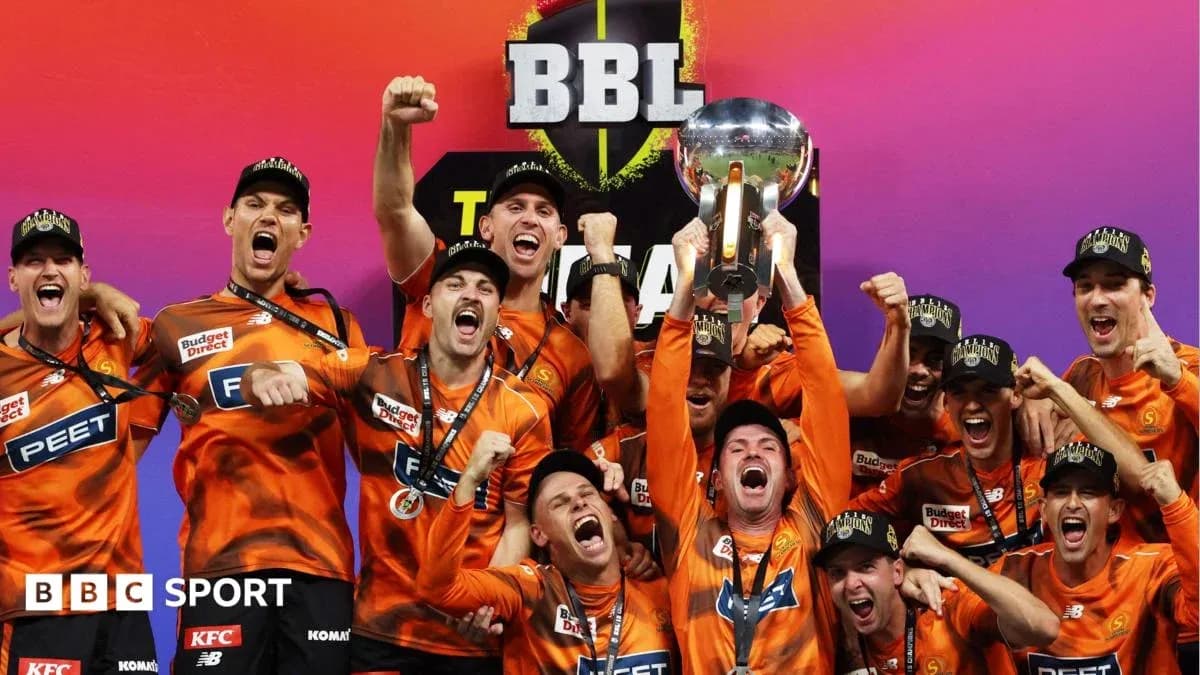
Hobart Hurricanes, Melbourne Stars and Perth Scorchers are understood to be keen on bringing in private investment. They see the upside: capital to grow their brands, sharpen their operations and push harder in the player market within the constraints of the salary cap.
On the other side sit the two Sydney teams – Sixers and Thunder – along with Brisbane Heat and Adelaide Strikers. Those clubs are reluctant to commit, at least for now. Whether it is cultural caution, concern over community ownership, or a belief they can prosper under the existing model, they have chosen to wait.
The self-determination model gives them that luxury. They can sit out the first wave, watch how the Renegades experiment unfolds, and decide later whether private ownership fits their long-term plans.
Control, cash and a delicate balance
Cricket Australia chair Mike Baird framed the shift as a strategic play to secure the game’s future, not a desperate grab for money.
He stressed that the governing body and state associations are “united in our commitment to investing in and growing the BBL and WBBL” and in “advancing the interests of cricket at every level”. Opening the door to private investment, he argued, is a deliberate step to strengthen and secure the long-term future of the sport in Australia.
The hope is that fresh capital will “accelerate growth” across the board – from community cricket and grassroots participation to domestic pathways and the elite international game.
Yet the balance is delicate. By holding on to scheduling, player access, caps and media rights, Cricket Australia is drawing a firm line between competition governance and club ownership. Investors can buy into a brand, a fan base and a commercial opportunity. They cannot buy control of the sport’s core structure.
Big decisions ahead
All this plays out against a backdrop of “constructive discussions” with the Australian Cricketers’ Association over an ongoing pay dispute, another reminder that the financial architecture of the game is under active renovation.
For now, the Renegades sit at the front of the auction queue, the first Australian club to test how much the market truly values the Big Bash. Behind them, Hurricanes, Stars and Scorchers wait with interest. Sixers, Thunder, Heat and Strikers watch from a cautious distance.
The cash is coming. The question is which states will be brave enough to let it reshape their clubs – and how far they are prepared to let private ownership redraw the map of Australian cricket.