Dallas Mavericks Rebuild: Ujiri's Vision and the Gafford Dilemma
The Dallas Mavericks have been rebuilding in plain sight. No splashy parades, no “superteam” declarations, just a series of calculated moves that signal a franchise quietly tightening the screws for another run at Western Conference relevance.
This summer, the overhaul started at the top.
Ujiri Arrives, Kidd Exits, a College Champion Steps In
Patrick Dumont didn’t just tinker with the roster. He reset the organization’s basketball brain trust. After a seasonlong search, the Mavericks landed one of the most respected executives in the sport, hiring Masai Ujiri to run basketball operations and importing the architect of the Toronto Raptors’ 2019 title team to Dallas.
Ujiri wasted no time putting his stamp on the franchise. Jason Kidd is out. Dusty May is in, fresh from an NCAA championship run with Michigan and now thrust into the NBA spotlight. It’s a bold pivot: from a veteran NBA coach to a rising college winner, with a teenage phenom in Cooper Flagg waiting to be molded.
The message is clear. Dallas is planning for the long haul, not just the next playoff push.
On the personnel side, the front office moved with similar intent. In a complex six-team deal, the Mavericks brought in three players who can help immediately: former Grizzlies forward Santi Aldama, ex-Pistons guard Marcus Sasser, and EuroLeague veteran Tarik Biberovic. They also added a former No. 1 overall pick in the trade sequence that sent Luguentz Dort from the Oklahoma City Thunder to the Atlanta Hawks, another swing at upside without sacrificing the future.
This isn’t a teardown. It’s a reshaping.
The Veteran Question: Kyrie, Washington, Gafford
The tension in Dallas now sits squarely on the shoulders of its veterans.
Kyrie Irving, P.J. Washington and Daniel Gafford are all proven pieces on a team that expects to contend. But the Mavericks are pivoting toward a roster built around Flagg and a younger core, and the salary sheet is heavy. At some point, something has to give.
Logic points to the frontcourt. Teams across the league are always searching for size, and Gafford and Washington both fit that bill. Irving, on the other hand, is a superstar with the kind of offensive genius and playoff experience that could guide Flagg through the early stages of his career. If Dallas chooses one veteran to keep as a bridge to its next era, Irving is the obvious candidate.
Which leaves the big men squarely in the trade rumor spotlight.
A Knicks-Mavs Deal That Fits Both Timelines
Meanwhile, in New York, the defending champions absorbed a significant blow of their own. Mitchell Robinson walked in free agency, signing with arch rival Boston and leaving the Knicks without a reliable center behind Karl-Anthony Towns.
They need a big. Badly.
That’s where a clean, logical trade framework emerges:
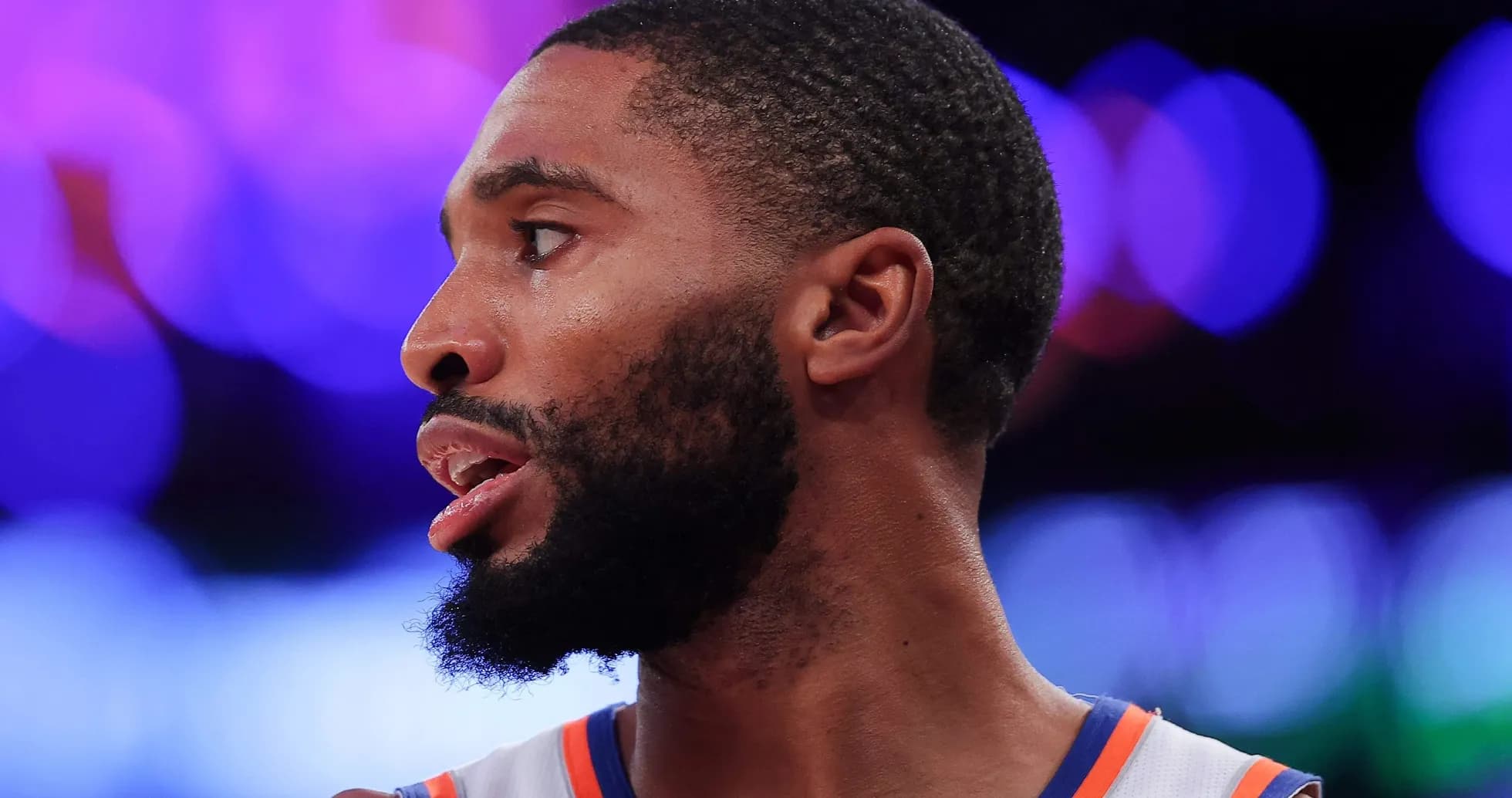
- Mavs receive: Mikal Bridges
- Knicks receive: Daniel Gafford and Caleb Martin
In this scenario, Dallas cashes in two veterans. The Mavericks gain future financial flexibility, lighten a crowded and expensive frontcourt, and bring in Bridges, a two-way wing who fits almost any system and any timeline.
For New York, the move answers a glaring question. Gafford gives the Knicks a proven, starting-caliber big man who can run pick-and-roll with Jalen Brunson and protect the rim. Martin brings playoff toughness and versatility on the wing, the kind of player who has already shown he can swing postseason series in the right role.
There’s a financial edge for the Knicks too. They shave more than $6 million off their payroll while adding a starting center and another postseason-tested rotation piece, a significant detail for a franchise flirting with the second apron.
It’s hypothetical. But it’s the kind of hypothetical that makes too much basketball sense to ignore.
The Gafford Dilemma
Gafford sits at the center of it all.
Dallas has more than $300 million committed to its frontcourt, a staggering investment in a league that continues to shrink and spread the floor. That number alone isn’t fatal, but the depth chart is crowded and the future is expensive. Aldama needs minutes. So will Morez Johnson Jr. Both will eventually need new contracts if they hit.
Something has to move, and Gafford is the natural pressure valve.
According to NBA insider Brett Siegel, the Mavericks already tested the market this summer. They even poked around deals involving Klay Thompson, with Gafford as part of the conversation.
“(The Mavs) believed that they could get something (in a trade for Klay Thompson),” Siegel reported. “There was nothing there. They were talking with teams about Daniel Gafford, about potentially trading him. Again, nothing really ever happened there.”
The holdup hasn’t been interest in the player. It’s been the price. Dallas has been asking for a first-round pick for the 27-year-old center, a reflection of both his value and the leverage the Mavericks believe they hold in a thin big man market.
At some point, that market may blink. Teams desperate for size, rebounding and rim protection eventually pay a premium, especially as the season grinds toward the trade deadline and rotations tighten.
If no one bites, though, the Mavericks face a choice. Hold their line and keep a quality center who can help win games now, or soften their stance and move Gafford for less than a first just to clear the books and the rotation for the next wave of bigs.
For a franchise threading the needle between present competitiveness and future contention, that decision will say a lot about how aggressively Masai Ujiri plans to chase the next era in Dallas.
The Mavericks have their architect, their new coach, their teenage cornerstone and a roster full of movable pieces. The only real question now: how quickly are they willing to turn potential into a fully formed contender in the West?