David Moyes has been around long enough to know transfer windows rarely follow the script. This one still stung.
Everton emerged from deadline day with Jack Grealish through the door, Iliman Ndiaye out of it for £65m to Manchester City, and the marquee striker Moyes wanted walking away at the last moment. The manager did not try to hide his frustration.
“I am disappointed that we didn't do more business and things didn't go our way in the end,” he admitted. “Sometimes in football you have to live with disappointments and move on, and we will.”
Balogun deal unravels at the last
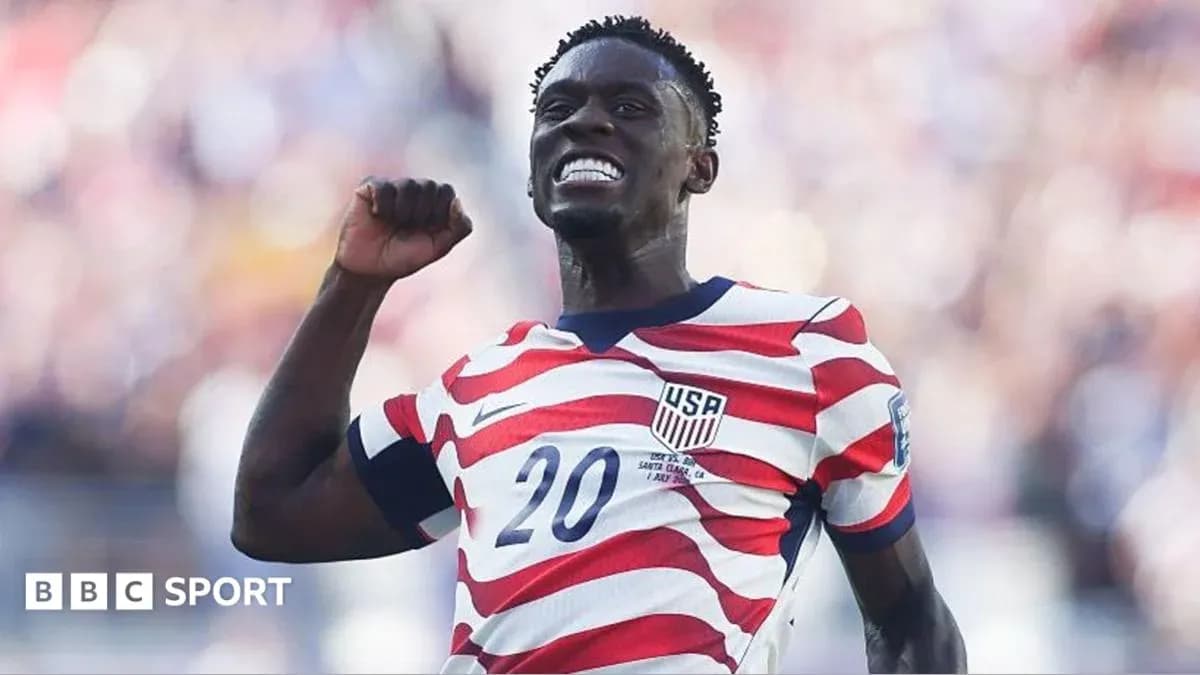
The headline blow came late. Folarin Balogun had completed his medical at Finch Farm, Everton and Monaco had renegotiated an initial £40m agreement after an issue arose in the tests, and both clubs even filed a deal sheet before the 23:00 BST deadline to buy themselves extra time.
Everything pointed one way. Then the United States international changed his mind.
With the paperwork window still open, Balogun walked away from the move, leaving Everton without the striker Moyes had lined up as a late target once Beto departed for Fiorentina.
“It wasn't anyone's fault and ultimately it happens in football as the player had a problem in his medical and that was simply it,” Moyes said. “There are no other stories behind it. That is exactly what happened.”
The collapse of the deal underlined the fine margins of deadline day. One hesitation, one concern, and a month’s planning can disappear in a phone call.
Targets missed, options narrowed
Balogun was not the only forward Everton chased. The club explored a move for Manchester United’s Joshua Zirkzee and held talks over Aston Villa striker Tammy Abraham. Neither could be convinced to make the switch.
Those setbacks left Grealish as the standout attacking arrival, the England international joining on a season-long loan from Manchester City. His arrival came on the same day Ndiaye, one of Everton’s most influential attackers, headed in the opposite direction to the champions.
Ndiaye leaves behind 15 goals and four assists from 67 Premier League games, but his sale, Moyes admitted, was part of the financial equation.
“We were looking to get some money in,” he said. “We lost Iliman Ndiaye, which is someone who we definitely didn't want to lose, but sometimes it is difficult when the likes of Man City come along.”
Everton wanted to recycle those funds quickly. The market did not fully cooperate.
Defensive plans hit and miss
At the back, there was a similar mix of intent and frustration. Kenny Tete was identified as a defensive reinforcement, only for Fulham to block the move when they failed to secure a replacement of their own.
The right side of defence did at least receive one addition. Ainsley Maitland-Niles arrived from Lyon for £3m, offering Moyes a versatile option across the back line and midfield.
It was something, but not enough to mask the sense of a window that slipped from Everton’s control in its final hours.
“Some things went against us and some things we could have done better,” Moyes reflected. “Ultimately we didn't want to lose a lot of the different players but for reasons that had to happen.”
The manager now faces the task he knows best: taking what he has, not what he hoped for, and trying to drag Everton forward in a season that already feels like a test of resilience as much as talent.