DeMar DeRozan Joins Denver: A Bold Sixth Man Move
The Denver Nuggets lost pieces this summer that you feel, not just notice. Tim Hardaway Jr. is gone. Peyton Watson, their live-wire wing, bolted to the Cleveland Cavaliers. For a contender built on continuity, those are not background moves.
Then came the jolt.
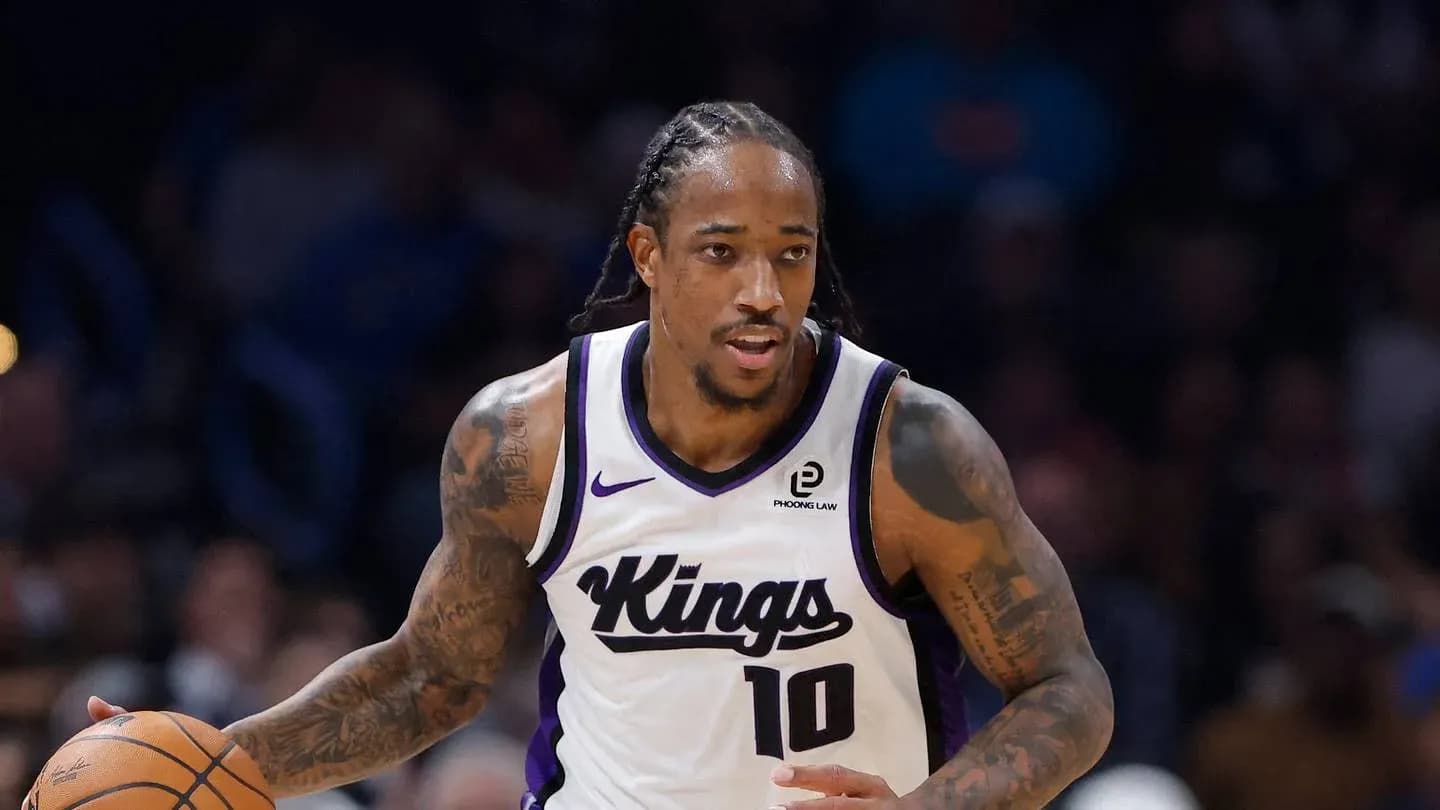
Just days after Watson walked, Denver moved for DeMar DeRozan, a six-time All-Star and one of the league’s great mid-range surgeons. At 37, he’s no longer the headliner on the marquee. In Denver, he might be something more valuable: the answer to a second unit that suddenly looked thin.
The bookmakers see it too. FanDuel Sportsbook has DeRozan sitting fifth in the early 2026-27 NBA Sixth Man of the Year race at +1800 (18/1). Only Ajay Mitchell of the Oklahoma City Thunder (+500), Dylan Harper of the San Antonio Spurs (+700), and the duo of Anfernee Simons (Philadelphia 76ers, +1500) and Ayo Dosunmu (Minnesota Timberwolves, +1500) open shorter.
That’s not charity. That’s respect for a veteran who still bends games to his will.
A Starter for 1,199 Straight Nights, Now Leading the Bench
This is uncharted territory for DeRozan, at least in the modern phase of his career. He has not come off the bench since his rookie season with the Toronto Raptors in 2009-10. Since then? He has started 1,199 consecutive regular-season games. That’s not a streak; that’s an identity.
Denver wants to rewrite it.
Sliding him into a reserve role is bold, but it fits the Nuggets’ logic. Nikola Jokić and Jamal Murray will always control the starting offense. Asking DeRozan to become a third or fourth option next to them would mute what he still does best. Handing him the keys to the second unit unlocks something far more dangerous: a veteran scorer and playmaker unleashed against bench lineups.
Last season with the Sacramento Kings, DeRozan averaged 18.4 points, 2.9 rebounds, and 4.1 assists in 31.2 minutes per game. Those are not nostalgia numbers. They’re production from a player who still lives comfortably in the top tier of half-court creators.
Sixth Man of the Year winners typically live in the 23-to-32-minute range. DeRozan probably lands near the lower end of that in Denver. Think 26 to 28 minutes a night, not 32. The volume might dip. The impact doesn’t have to.
The Oldest Sixth Man Ever?
There’s a slice of history in play here.
If DeRozan wins the award, he becomes the oldest Sixth Man of the Year in NBA history, passing Jamal Crawford, who claimed it at 36 in the 2015-16 season. It’s not just age working against him. It’s role. By signing with Denver, DeRozan accepted less spotlight and, likely, fewer touches than he could have commanded on a lottery team.
That’s the gamble.
Yet the Nuggets don’t need him to chase counting stats. They need him to stabilize everything that happens when Jokić sits, when the offense can wobble and possessions turn into a search for someone who can create a shot on demand.
DeRozan still does that as well as almost anyone.
Known Flaws, Known Strengths
The questions around him are familiar. He doesn’t stretch the floor from three. He’s not a defensive stopper. Those issues don’t vanish in altitude.
But Denver isn’t squinting and hoping. They know exactly what they’re getting.
DeRozan will be the primary ball-handler off the bench. He’ll be the first read, the bailout option, the player teammates look to when a possession stalls. There will be nights when he doesn’t just anchor the second unit but finishes games, especially when the Nuggets need one more creator or an extra scoring punch in tight fourth quarters.
Recent history backs that up. DeRozan has finished in the top three in Clutch Player of the Year voting in two of the last four seasons. When the game slows and the floor shrinks, his methodical, mid-range-heavy style suddenly looks like a feature, not a flaw.
Mid-Range Mastery, New Stage
At this stage of his career, DeRozan is not reinventing himself. He doesn’t need to.
He remains one of the league’s deadliest mid-range scorers, a craftsman who knows every angle, every bump, every hesitation needed to carve out space. If anything, he has only grown more precise with age, more ruthless in getting to his spots.
That’s exactly why this fit works.
Instead of fading into the background of Denver’s starting lineup, DeRozan becomes the focal point of the bench. Every second-unit possession can run through him. Every trip down the floor becomes a chance for him to pick apart a defense that doesn’t have its best stoppers on the court.
Give a player like that full control of the offense for 25 minutes a night, and awards talk stops sounding romantic and starts sounding realistic.
A Long Shot With Teeth
The odds say DeRozan is not the favorite. That’s fair. Younger guards like Mitchell and Harper will have the ball a ton and the green light to match. Simons and Dosunmu will pile up numbers in featured roles.
But DeRozan’s case is different. It rests on efficiency, control, and the kind of late-game moments voters remember in April.
If he embraces this role, if Denver’s bench transforms from a question mark into a weapon, those +1800 odds will look generous in hindsight.
The Nuggets didn’t sign DeRozan for nostalgia. They signed him to win minutes, win games, and maybe, just maybe, watch a 37-year-old rewrite what it means to be a Sixth Man.