Denver Nuggets 2026-27 Season Preview: Key Questions and Roster Changes
The Denver Nuggets are a month away from throwing the curtain up on 2026-27, and the opener isn’t easing them in. A road date in Oklahoma City on October 22, Nikola Jokic staring down Shai Gilgeous-Alexander, has all the makings of a statement night in the West.
Before that, though, comes the hard part. Training camp in a week. Preseason in two. A roster that looks familiar at the top but different in the cracks. And three questions hanging over Denver as the Jokic era hits another crossroads.
DeMar DeRozan, sixth man or something more?
Denver didn’t replace Tim Hardaway Jr. and Peyton Watson with a like-for-like youth injection. They went the other way, straight to one of the most seasoned scorers of his generation.
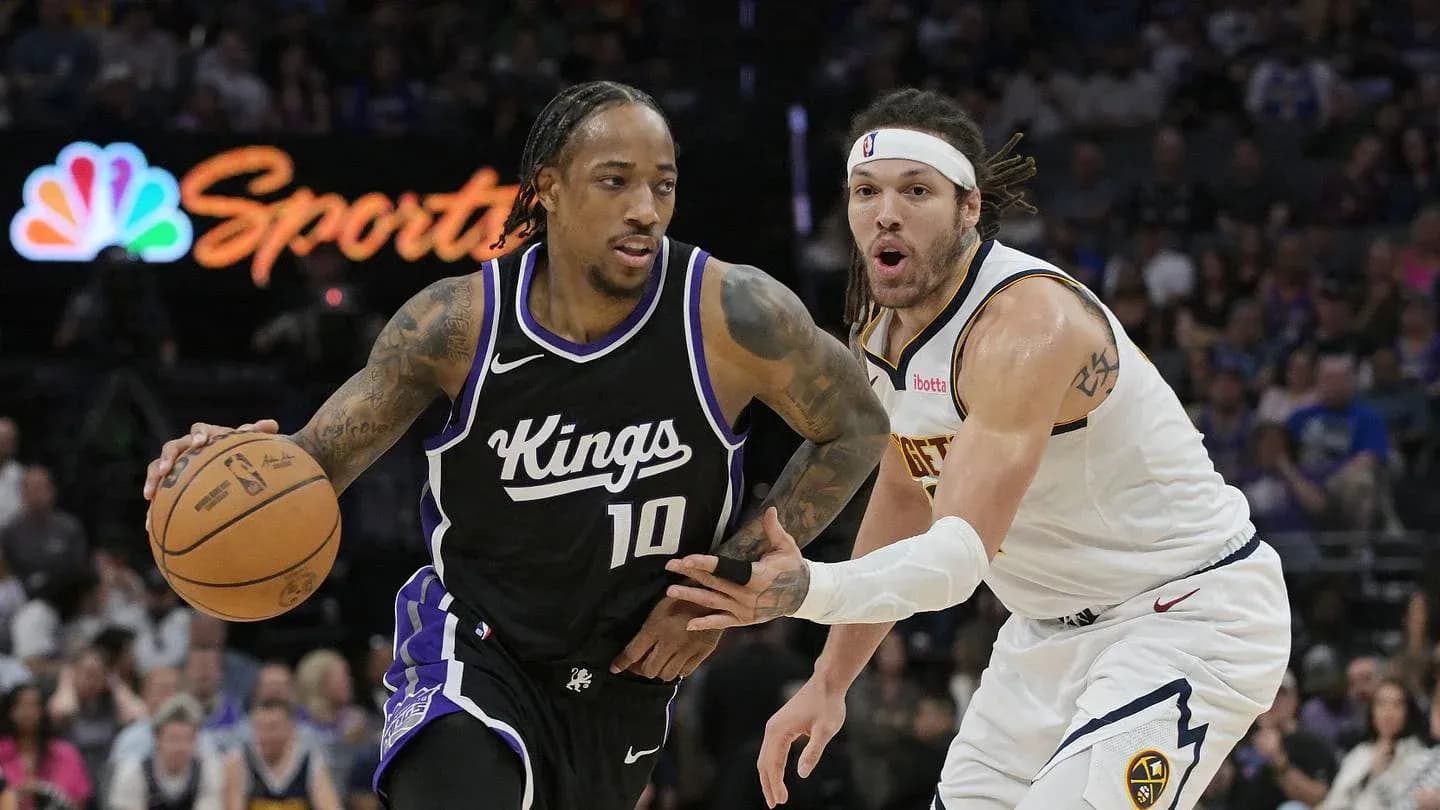
DeMar DeRozan, 37 years old and a six-time All-Star, is in the building.
On paper, the fit makes sense. The Nuggets’ second unit was a problem last year: no reliable creator, no one to slow the game down, no veteran who could bend a defense on his own. DeRozan has made a career out of exactly that. He can run pick-and-roll, live in the midrange, get to the line, and make life easier for role players who just need clean looks.
But this is not the usual DeRozan script.
He has not come off the bench in an NBA game since his rookie season in 2009-10. For 16 years, coaches have built offenses around him, not asked him to anchor a second unit in short bursts. Denver is asking him to do something different: accept the role of sixth man, change his rhythm, change his ego, and still deliver.
The Nuggets need him to say yes.
Without him, their bench was bordering on alarming. Too many lineups that leaned on Jokic to fix everything the moment he checked back in. DeRozan gives David Adelman a genuine offensive hub when the MVP sits, a veteran who can handle the ball, organize possessions, and score at a high level without needing to be spoon-fed.
There’s no real doubt about whether DeRozan can still play. His production and consistency over 16 seasons answer that. The intrigue sits in how he responds to being the first man off the bench instead of the first name on the board. If he embraces it, Denver’s second unit suddenly looks like a weapon instead of a liability.
If he doesn’t, the cracks in this roster get very loud, very quickly.
Lonnie Walker IV and the last seat on the plane
At the other end of the spectrum is a player just fighting to stay in the league.
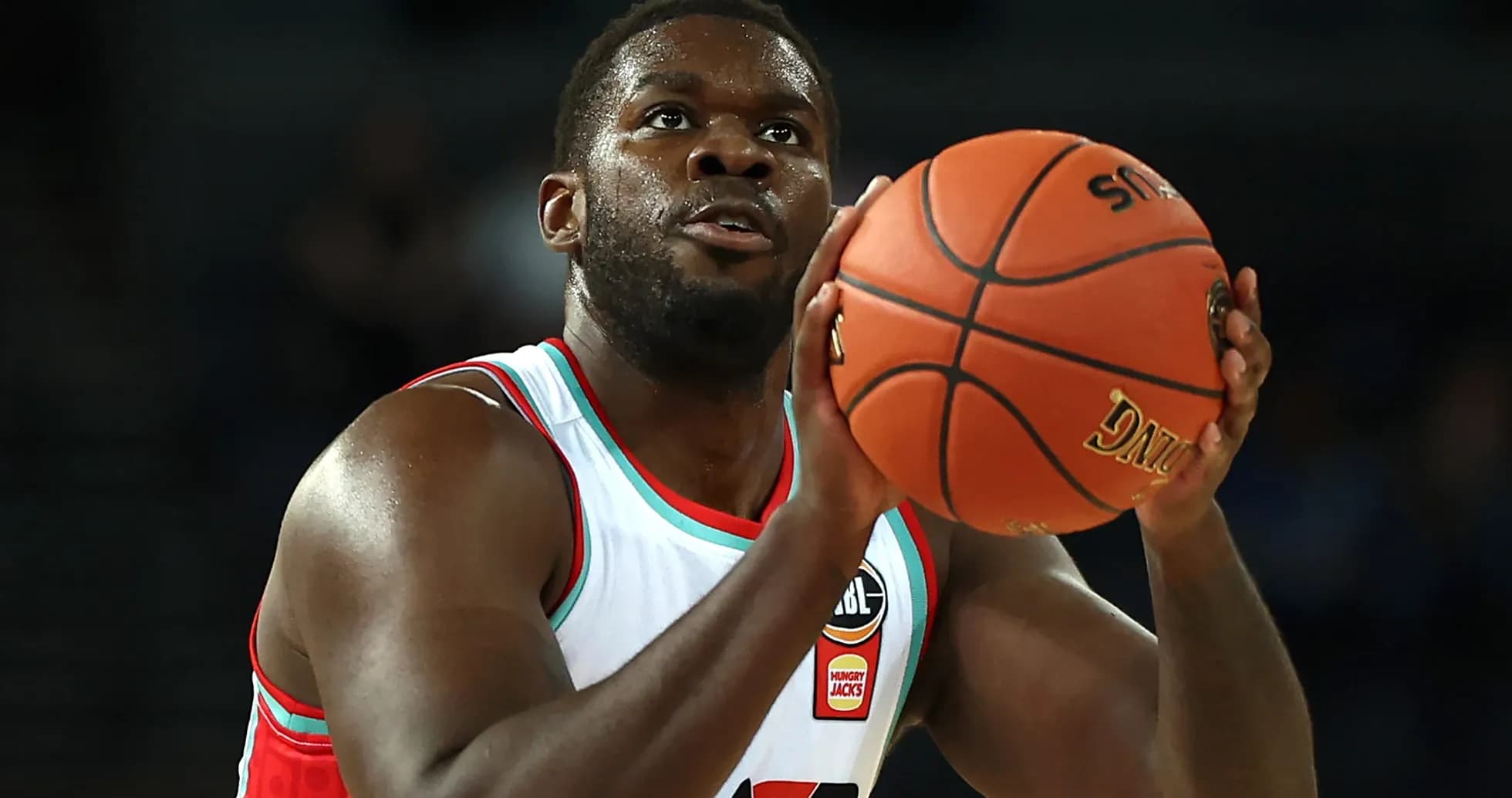
Lonnie Walker IV is back on an NBA roster, again, this time on a non-guaranteed one-year deal. Denver has until opening night to decide whether he’s worth their final roster spot after he spent last season with Maccabi Tel Aviv.
He’s 27. He’s athletic. He’s clearly an NBA-caliber guard. That’s never really been the question.
The question is whether the Nuggets want to lock themselves into a full roster now, or keep that last slot open for flexibility as the season unfolds. There’s a belief around the league that Denver values that open spot. But there’s also the reality of their backcourt depth chart.
Tyus Jones and Julian Strawther are the projected backup pairing. Steady, useful, but not exactly explosive. Walker, in his last NBA run with the Philadelphia 76ers at the tail end of 2024-25, averaged 12.4 points, 3.2 rebounds, and 2.5 assists across 20 games. He showed he can score in bunches, handle the ball, and create his own shot.
On a team that leans so heavily on Jokic and Jamal Murray to generate offense, that matters.
If Walker looks sharp in camp and preseason, Denver has a real decision to make. Do they prioritize the live-wire scoring he can bring off the bench, potentially upgrading their guard rotation, or do they stick with the safer option of keeping a roster slot open for future moves?
For Walker, it’s simple. This is another shot to prove he’s more than a temporary fix. For the Nuggets, it’s a test of how aggressively they’re willing to build around their stars right now, not at the trade deadline.
The heat under David Adelman
The biggest pressure point in Denver doesn’t wear a jersey.
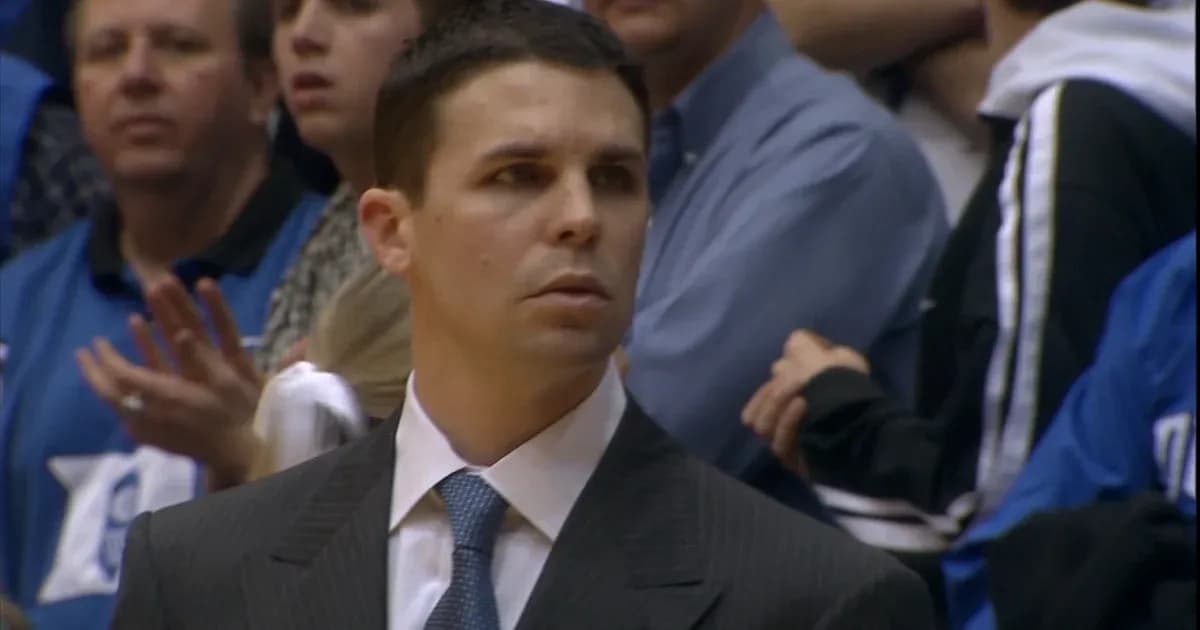
David Adelman steps into his second full season as head coach with a résumé that looks solid in the regular season and shaky when it matters most. He took over three games before the 2025 playoff run. That year ended in a second-round exit. This past season ended even earlier, an ugly first-round departure that cut straight against the expectations around a team with Jokic in his prime.
Denver could score on anyone. They finished last season with the league’s top offense. But their defense sagged to 21st. That imbalance cost them.
This year, there’s no hiding place. Adelman has to find a way to keep the offense humming while dragging that defense into respectability. The arrival of Dave Joerger as top assistant should help. Joerger has a reputation for building tough, organized defenses, and Denver badly needs that edge.
Because at some point, the conversation stops being about Jokic’s greatness and starts being about how far the coach can actually take this group.
Adelman hasn’t yet shown he can guide them to a title. The roster is still championship-caliber at the top. The front office has doubled down on veterans like DeRozan to steady the middle. The West remains brutal, but that’s the job.
This season, the margin for Adelman is thin. Another early exit, and the question won’t be about tweaks to the rotation or defensive schemes. It will be about whether he’s the right man to lead a generational talent and a contender that’s running out of years to waste.