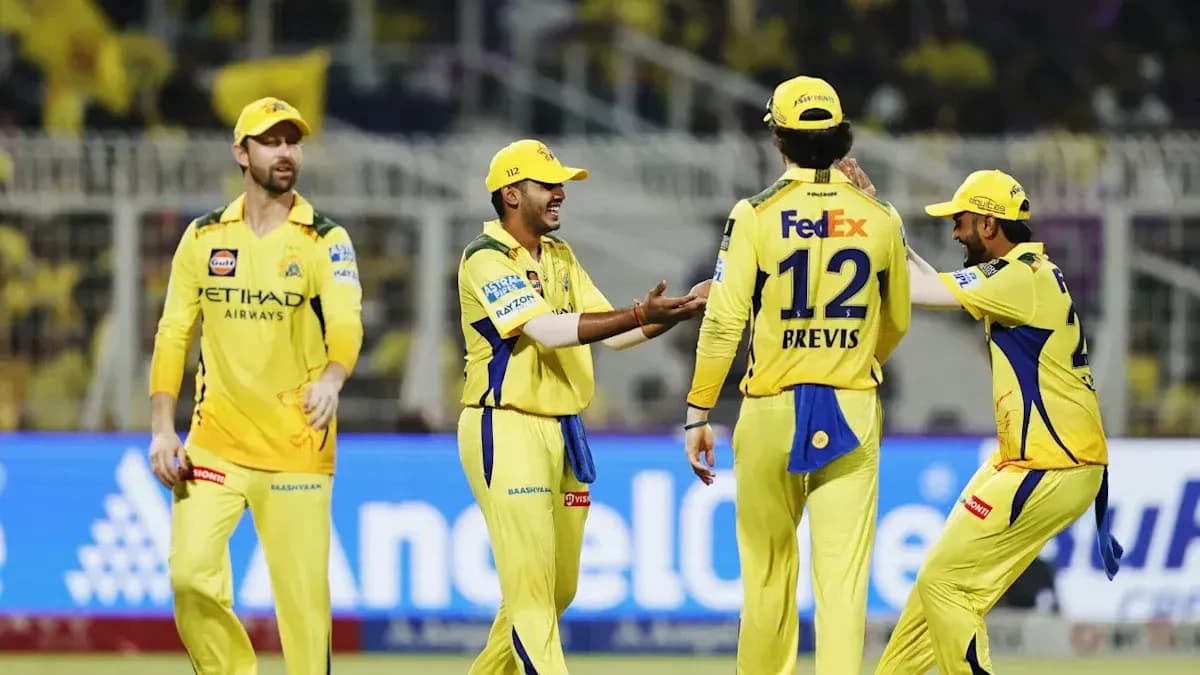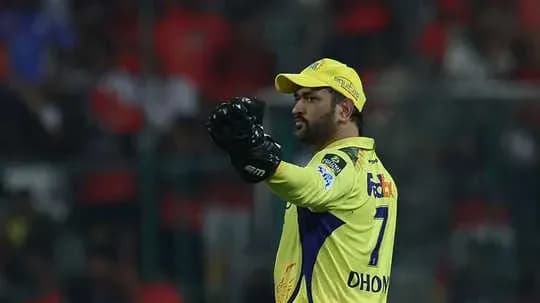
For a few days, the story gathered speed: Mahendra Singh Dhoni, the face of Chennai Super Kings for over a decade, had supposedly tried to buy a stake in the franchise and been rebuffed. It was the kind of rumour that fits the modern IPL narrative—icons turning investors, legends moving upstairs.
Only, CSK say it never happened.
A senior Chennai Super Kings official has flatly denied any such talks with Dhoni. “MS has never asked us about it. We never discussed the matter. We also don’t have any information about him having discussed this with Mr N Srinivasan either,” the top functionary said, cutting through the noise with a single, clear line.
So, no grand ownership bid. No tense boardroom standoff.
But that doesn’t mean Dhoni is entirely detached from the franchise’s financial fabric. Far from it.
A Tiny Slice of a Giant Pie
Information from Chennai indicates that Dhoni does hold shares in Chennai Super Kings. He picked them up when they were available, through private, off-market transactions. CSK is an unlisted company, so its shares don’t move on the stock exchanges, but they do change hands quietly, away from the ticker.
Dhoni’s holding? More than one lakh shares. On paper, that sounds sizeable. In reality, it barely nudges the needle.
The franchise has over 30 crore outstanding shares in public hands, accounting for close to 40 per cent of the total share capital. Against that backdrop, Dhoni’s one lakh-plus shares are a sliver—just a fraction of the public shareholding.
The real power bloc remains where it has always been. The Srinivasan family continues to hold a controlling stake of more than 55 per cent, anchoring the franchise both financially and politically.
Context sharpens the picture further. Based on the current valuation landscape—an IPL team was last sold for over Rs 16,600 crore—Dhoni’s stake is estimated to be worth around Rs 2.6-3 crore. For most people, that’s a fortune. For Dhoni, it is a footnote.
Across 21 years of international cricket, IPL contracts and heavyweight endorsements, he has built an estimated net worth of around Rs 1,200 crore. The CSK shares are a token, not a takeover. A symbol of connection, not a shift of control.
Dhoni the Decision-Maker, Not the Spectator
If Dhoni does not own CSK, he still very much shapes it. Ownership on paper is one thing. Influence inside the room is another.
Despite giving up the captaincy and not playing a single game last season, Dhoni remains central to how the franchise thinks and moves. The management is effectively in a holding pattern, waiting for him to return before locking in key decisions.
At the top of that list: the new head coach.
CSK officials maintain publicly that they have not yet identified a successor. Behind the scenes, the picture looks sharper. Sources suggest the franchise has zeroed in on an overseas candidate, someone experienced enough to inherit a dressing room built in Dhoni’s image. That coach, intriguingly, is also believed to be in talks with another IPL side.
The race is on, but CSK are not rushing to the finish line without their talisman in the room.
Dhoni is currently believed to be in the US and is expected back around September 22. Around that time, the CSK management will convene, with the agenda stacked: finalise the head coach, then move quickly into discussions on transfers and trades.
The sequence matters. The coach sets the tone, the style, the demands. The squad then bends around that vision. And Dhoni, even without the captain’s armband or a guaranteed place on the team sheet, remains the sounding board.
So the picture is clear. He is not the majority owner. He is not the public face of a takeover. He is something more subtle, and arguably more powerful: the man the franchise still waits for before it makes its biggest calls.
In a league increasingly driven by boardrooms and balance sheets, CSK continue to run through a familiar filter—what does Dhoni think?