D’Tigress Struggles with Turnovers in World Cup Opener
Nigeria’s FIBA Women’s Basketball World Cup 2026 journey began with a jolt rather than a statement, as D’Tigress fell 99–81 to a ruthless South Korea in their Group B opener at the Berlin Arena.
This was not the start the African champions had scripted.
From the opening minutes, Nigeria looked loose with the ball and vulnerable on the perimeter. South Korea, compact and disciplined, didn’t need a second invitation. Every sloppy pass, every late rotation on defence, seemed to end with the ball splashing through the net.
The numbers told the story, but the court made it feel worse.
South Korea drilled 11 of their 28 attempts from three-point range. Nigeria, by contrast, managed six from 20. That gap from beyond the arc stretched the game, pulling D’Tigress out of their defensive shape and exposing the very issues that had plagued them early on.
Leeseul Kang was the early tormentor. She repeatedly found space on the wing and punished Nigeria’s slow closeouts, knocking down six three-pointers and breaking the game open whenever the African side threatened to claw back momentum. While Kang stretched the floor, Jiyun Park owned it. She led all scorers with 27 points, a constant, composed presence who punished mismatches and thrived off Nigeria’s mistakes.
Those mistakes came thick and fast.
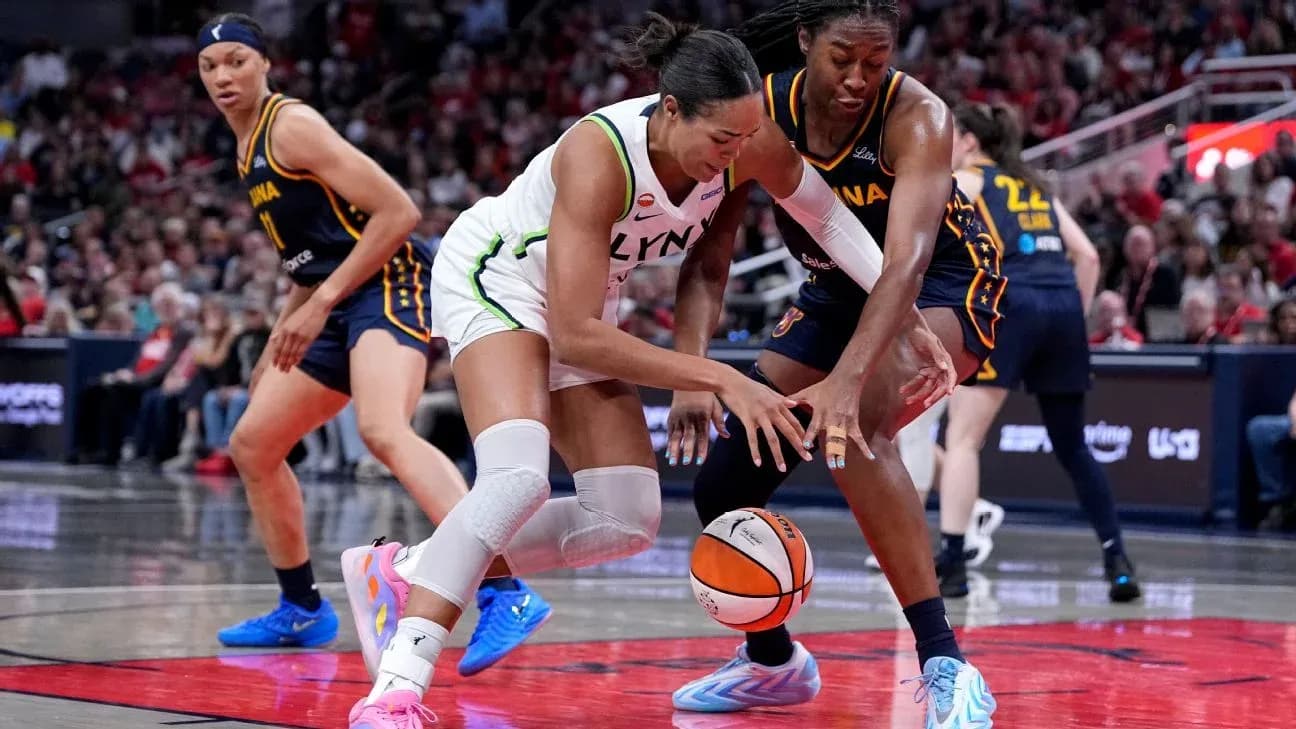
D’Tigress turned the ball over 23 times, more than double South Korea’s 10. Each turnover felt like a body blow, gifting the Koreans extra possessions and easy transition looks. Instead of building pressure, Nigeria were constantly scrambling to repair damage of their own making.
Yet within the chaos, a few Nigerian performances refused to be drowned out.
Amy Okonkwo carried the scoring load, finishing with a team-high 20 points. She attacked the basket, hit shots under pressure and tried to drag her team back into contention when the gap threatened to become embarrassing. Inside, Murjanatu Musa imposed herself on the glass, pulling down a game-high 13 rebounds and fighting to give D’Tigress second chances that too often slipped away through more errors or missed defensive assignments at the other end.
There were flickers of resistance. Short bursts when Nigeria strung together stops, pushed the tempo and briefly cut into the deficit. But each time the door seemed to open, South Korea slammed it shut with another clean look from deep or a well-executed half-court set. Their ball movement stayed sharp; Nigeria’s stayed rushed.
As the minutes ticked away, the pattern never really shifted. South Korea controlled the rhythm through their shooting accuracy and poise with the ball. Nigeria chased, hustled, and worked, but never quite solved the twin problems of perimeter defence and ball security.
For coach Rena Wakama, the diagnosis is brutally clear. The turnovers must drop. The closeouts must be sharper. The three-point line can no longer be a free zone for opponents if D’Tigress are to live up to their status as African champions on the global stage.
There is no time for self-pity.
On Saturday at 1.15pm, Nigeria face Hungary in what already feels like a pivotal Group B encounter. Another slip, and their World Cup campaign risks shifting from ambition to survival mode far earlier than anyone in that locker room imagined.