Ed Cowan has seen enough boom‑and‑bust cycles in cricket to know a sugar hit when he sees one. As the Big Bash League edges toward a new era of private ownership, the former Test opener is urging Australian cricket to slow down before it sells off the family silver.
From his seat on the Cricket NSW board, Cowan can see the tension building between caution and ambition. On one side, Cricket Australia is pushing ahead with an opt‑in privatisation model, inviting states to take their BBL clubs to market and sell anything from minority stakes to entire franchises. On the other, traditional powerbrokers like NSW are wary of what happens once control leaves the game’s hands.
For Cowan, the rush to keep pace with the global T20 arms race feels premature.
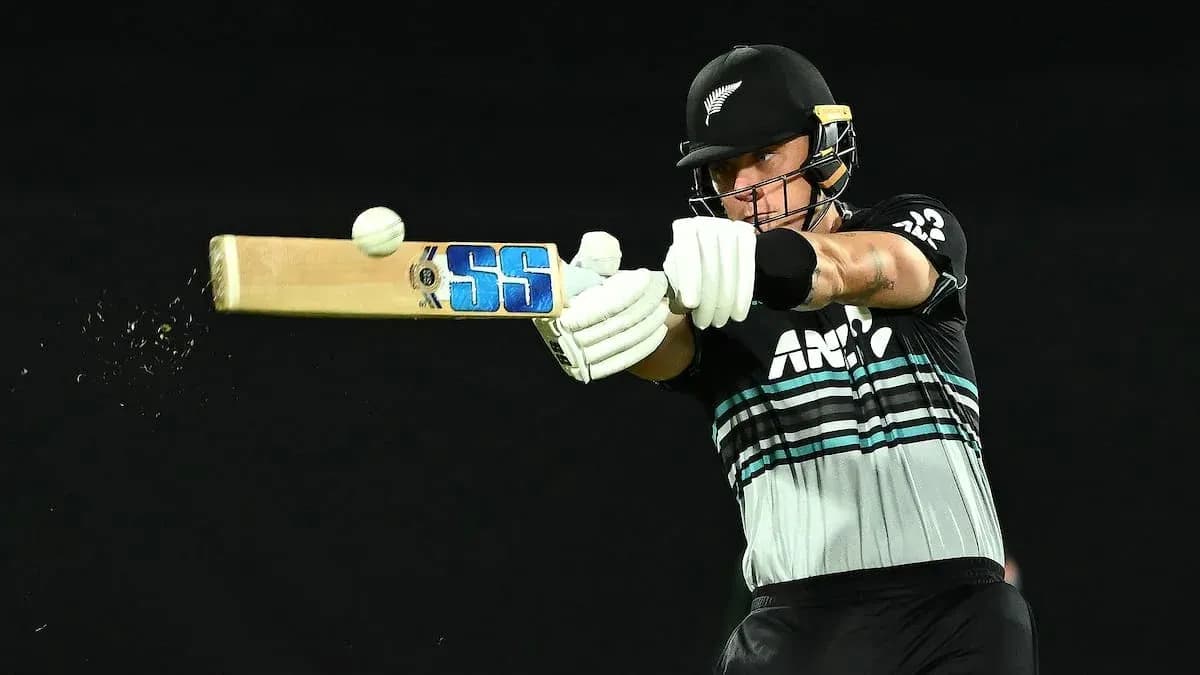
“Ben Stokes is going to Adelaide, Finn Allen has just signed a mega deal,” he told the ABC Cricket Podcast, pointing to the calibre of talent still streaming into the competition. “So the argument that is put forward is we're gonna lose players to the South African League. We haven't lost one yet.”
That’s the crux of his concern. The fear of a player exodus to leagues like SA20 has become the loudest justification for privatisation. Cowan believes the evidence simply isn’t there.
He argues the BBL has already shown it can adapt. In recent years, administrators have shortened the schedule, trimmed the fat, and rebuilt the product. The result: better ratings, bigger crowds, and a stronger pull for international stars.
They’ve tinkered with the fixture. They’ve reshaped the salary cap. They’ve moved pieces around the international calendar to accommodate marquee names. Cowan’s view is that the league has done all this without needing to hand over its most valuable assets to private investors.
“There's a view that the business could be run more effectively, which would enable some time to work out whether you actually do need to sell your star assets or not,” he said. Then came the line that will ring around boardrooms: “Because when you start burning the furniture to warm the house, it can spiral quickly out of control from there.”
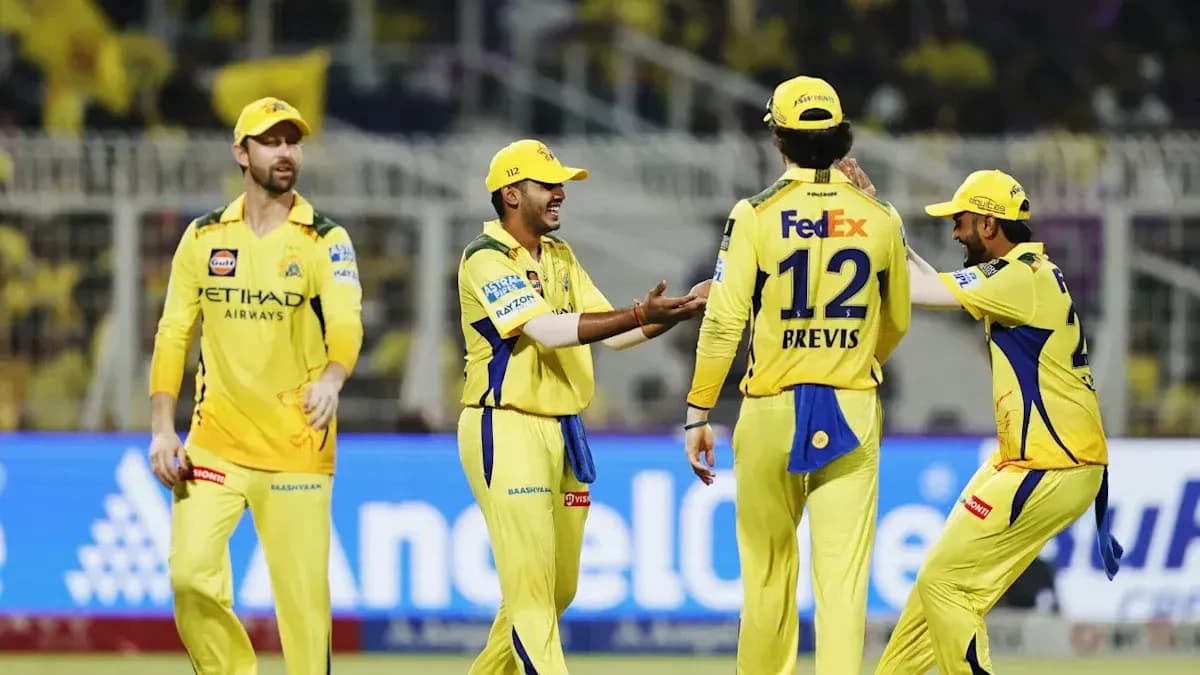
The recent evidence on the field backs his argument. The 2025/26 BBL season delivered a parade of global talent: Colin Munro, Chris Jordan, Muhammed Rizwan, Sam Billings. They tore through attacks and lit up prime‑time television. When the Test summer eased, Steve Smith, Alex Carey and Mitchell Starc dropped in and lifted the standard again.
Stack that against The Hundred. In England’s flagship short‑form competition, names like Mitchell Marsh, Adam Zampa, Jos Buttler and Trent Boult have carried the marketing load. All four have either already played in the BBL or are locked in for BBL16. The supposed talent drain, for now, is more theory than reality.
Cricket Australia, though, sees the storm clouds gathering.
Chief executive Todd Greenberg has made it clear: if Australia wants to keep its best players at home in January, sentiment won’t be enough. Money will talk.
“There are opportunities now for our best Australian players to play in other leagues at the same time potentially with bigger salary caps. So when we talk about should we wait for two years or four years? No, we can't wait,” Greenberg said.
“Those challenges are on our doorstep today. So we've got to make some decisions about how we compete.
“We're a relatively small country in a big global sport. So it's incumbent on us to make decisions that we can compete with elsewhere and that's exactly what we're doing.”
That is the fault line: Cowan and Cricket NSW asking for time and restraint, CA insisting the clock has already ticked past midnight.
The states are splitting into camps.
Cricket NSW has been the most vocal opponent of the current model, wary of ceding control of its BBL brand and the broader implications for the domestic game. Queensland Cricket has taken a softer, watchful stance. It has flagged concerns, but for now intends to hold its ground.
“We will closely monitor the sales process and at this stage, intend to retain 100 percent ownership of the Brisbane Heat, but of course remain open to private investment at the appropriate time,” Qld Cricket Chair Kirsten Pike and CEO Terry Svenson said in a statement.
Victoria, by contrast, has planted its flag firmly in the other camp. Cricket Victoria will move first, putting the Melbourne Renegades license to market with the intention of selling it in full.
“Private investment will unlock value for reinvestment across Victorian cricket, from the grassroots through to the elite game,” Cricket Victoria Director Shaun Richardson said.
That line captures the best‑case scenario CA is selling: fresh capital, stronger clubs, and money flowing back into junior pathways and state programs. The worst‑case scenario is the one Cowan hinted at – a league that trades away control for a short‑term cash injection, only to find itself beholden to outside interests when the next structural challenge arrives.
For now, the debate is raging in committee rooms and over conference calls, not in public slanging matches. But the stakes are obvious. BBL16 and WBBL12 are expected to be the last seasons under the original eight‑franchise model, as CA and the states hammer out what the next chapter looks like.
On one side: the lure of global T20 money and the fear of being left behind. On the other: a warning from those who built the competition that once you sell the furniture, you don’t get it back.
Australian cricket has decided it cannot wait. The real question now is whether it can afford to be wrong.