Anthony Edwards Shapes Timberwolves' Offseason with Key Acquisitions
The Minnesota Timberwolves didn’t just steal a player in late August. They stole a narrative.
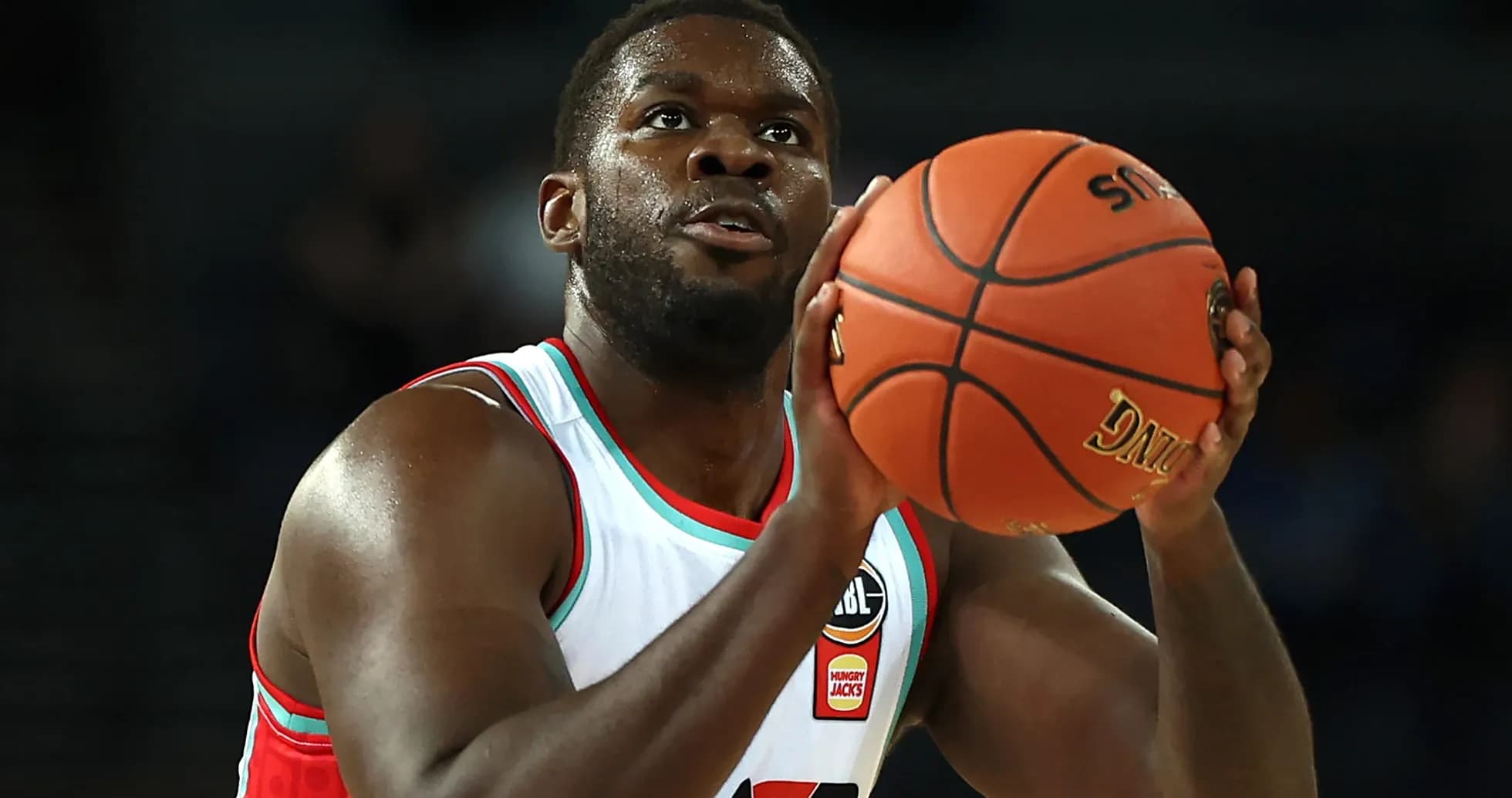
When Jonathan Kuminga put pen to paper on a two-year, $12.4 million deal with Minnesota, most of the league did a double take. This was the 2022 NBA champion many around the league had all but penciled into the Los Angeles Lakers’ starting lineup. The Lakers wanted him as their starting forward. They courted him. They put money on the table.
He walked away.
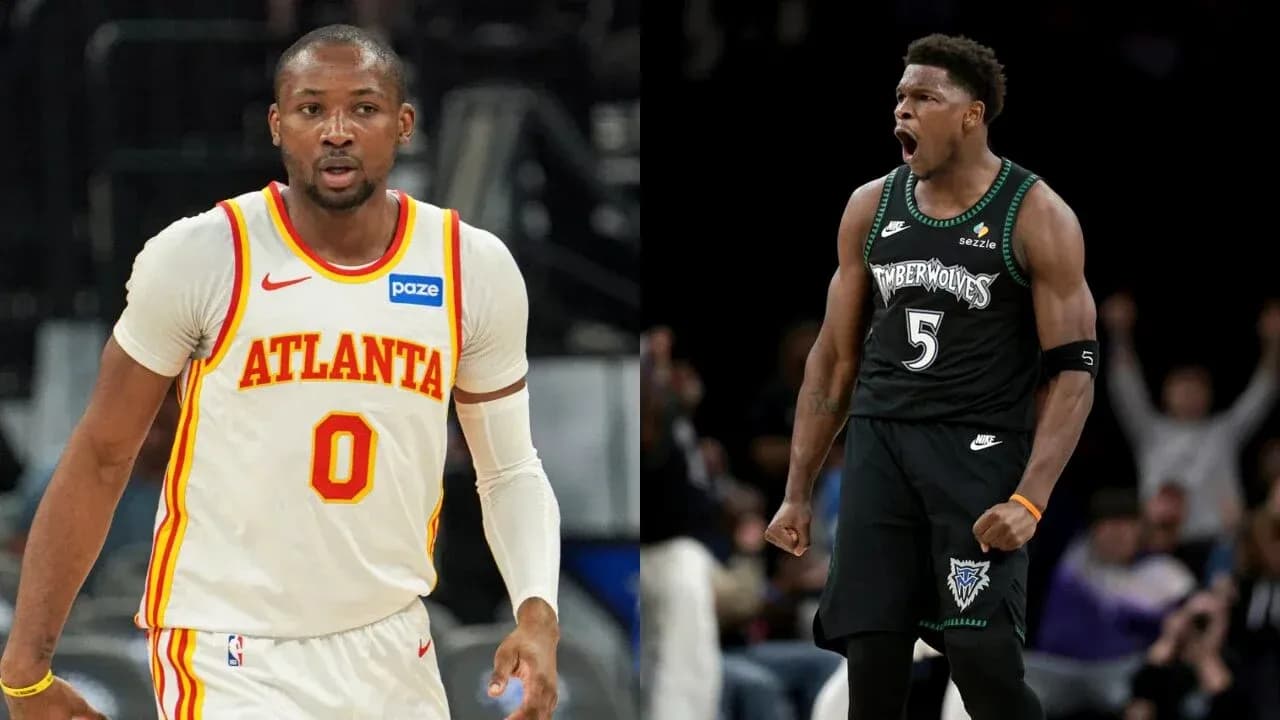
And he walked toward Anthony Edwards.
Edwards’ Pitch: Be Yourself, Loudly
The turning point wasn’t a glossy presentation or a deep dive into analytics. It was a simple message from the Timberwolves’ franchise star.
According to Kuminga’s agent, Aaron Turner, Edwards’ recruitment cut straight through the noise. No promises of spotlight. No demands to fit into a rigid system. Just a challenge.
“Ant was a massive part of this whole thing,” Turner told Kevin O’Connor. The Timberwolves’ pitch, as Turner relayed it, was blunt: they wanted the version of Kuminga they’d battled in the playoffs. Not a toned-down role player. Not a reshaped piece.
They wanted “that dude.”
Turner pushed back at the idea that Kuminga would need to bend his game to fit Minnesota. Edwards, he said, made it clear he didn’t want a muted version of the forward. He wanted Kuminga to “do everything you do and do it loudly,” to come in as Jonathan Kuminga, not a rebranded version tailored to someone else’s comfort.
That kind of endorsement hits differently when it comes from a 23-year-old star who already owns the locker room and the city.
The Money Question: Why Less in Minnesota?
On the surface, the numbers don’t add up.
Reports indicate Lakers general manager Rob Pelinka put down a three-year offer worth roughly $36 million. Starter money. Long-term security. Los Angeles spotlight.
Turner, speaking on FanDuel’s “Run it Back,” admitted he struggled with the idea that the Lakers wanted to lock in a starting-caliber player at about $12 million per year, calling it “pretty decently below the midlevel.”
Then came the twist. Kuminga signed in Minnesota for even less on an annual basis: two years, $12.4 million total.
That decision raised eyebrows across the league. Why walk away from a richer, longer deal in a glamour market?
The answer lives in the context. In role. In trust. In who was asking him to come and how they planned to use him. Edwards didn’t just recruit Kuminga; he invited him into a version of himself the Wolves had already game-planned for and feared. That kind of belief can outweigh a few million on a spreadsheet.
A New Backcourt, A New Edge
Kuminga isn’t arriving alone. Minnesota’s summer has been aggressive, ambitious, and, crucially, aligned with Edwards’ timeline.
LaMelo Ball is now in the mix, brought in to pair with Edwards and give the Timberwolves a dynamic playmaking guard who can stretch the floor and push pace. The franchise didn’t just tinker around the edges; it reshaped the perimeter around its star.
Kuminga, a versatile, explosive forward, slots into that framework as a two-way weapon who can run, switch, and attack. For a team that has battled its way into relevance in the West, this is not a conservative move. It’s a swing.
And it comes at a moment when Edwards’ future looms large over every decision.
Windhorst: Edwards Is “Very Pleased”
Six years into his Timberwolves tenure, Edwards sits at the center of everything. He has three years left on his five-year deal, which runs through 2029. On paper, that’s security. In practice, it’s a countdown.
Minnesota knows the stakes. Keep him happy, keep him engaged, keep him believing this is where he can win at the highest level.
So far, mission accomplished.
NBA insider Brian Windhorst reported that Edwards is “very pleased with the Wolves’ offseason,” pointing specifically to the acquisition of LaMelo Ball and the move for Kuminga. Windhorst went a step further, suggesting that if Edwards’ extension were on the table right now, this kind of summer might be enough to push him toward signing again.
The key phrase? He “maybe thinks that LaMelo is going to be a perfect fit.”
That’s the kind of internal confidence front offices dream of when they start stacking big decisions on top of one another.
A Franchise at a Crossroads, With Its Star at the Wheel
This is what modern team-building around a young superstar looks like. Not just max contracts and marketing campaigns, but real collaboration.
Edwards wanted help. Minnesota went and got it.
Kuminga arrives on a deal that screams “bet on yourself.” LaMelo arrives as both creator and statement. The Timberwolves, long stuck in the margins of the Western Conference conversation, suddenly look like a team building with urgency and intent.
If this core clicks—if Ball’s playmaking unlocks new layers of Edwards’ scoring, if Kuminga becomes the relentless force Minnesota once game-planned against—then the question around Edwards’ future in 2029 won’t be whether he stays.
It will be how far this group can push the franchise ceiling before he gets there.