Anthony Edwards Leads Timberwolves' Transformation
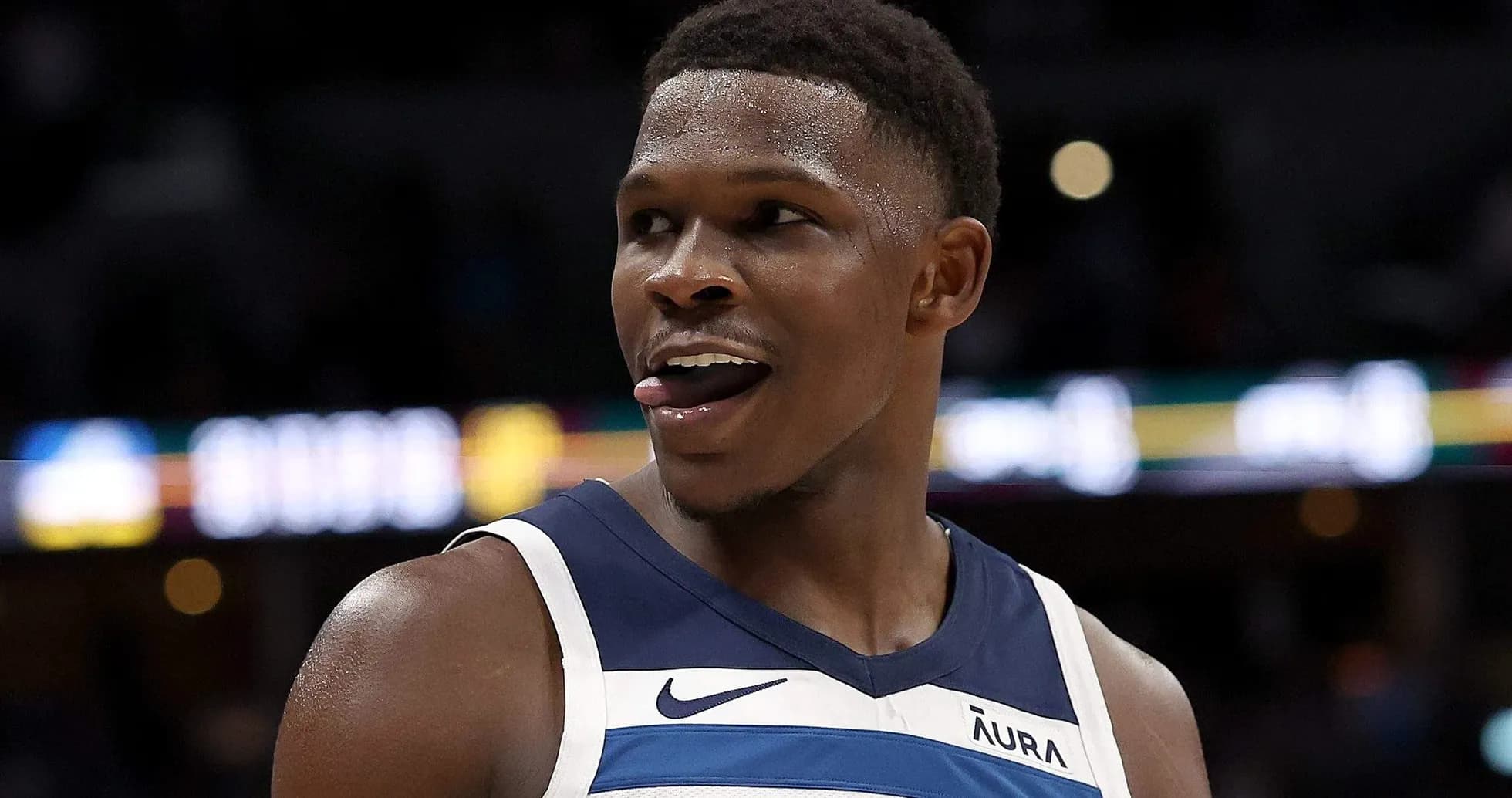
Anthony Edwards has never been shy about what he wants. Now, the Minnesota Timberwolves have finally built a roster that looks like it belongs to him.
The franchise star is “very pleased” with the Wolves’ offseason, according to ESPN’s Brian Windhorst on the “Hoop Collective” podcast, and it’s not hard to see why. Minnesota has ripped up its old blueprint and leaned fully into a high-octane, guard-driven identity, handing Edwards the keys to a team that now moves at his speed and plays to his instincts.
A New Backcourt, A New Identity
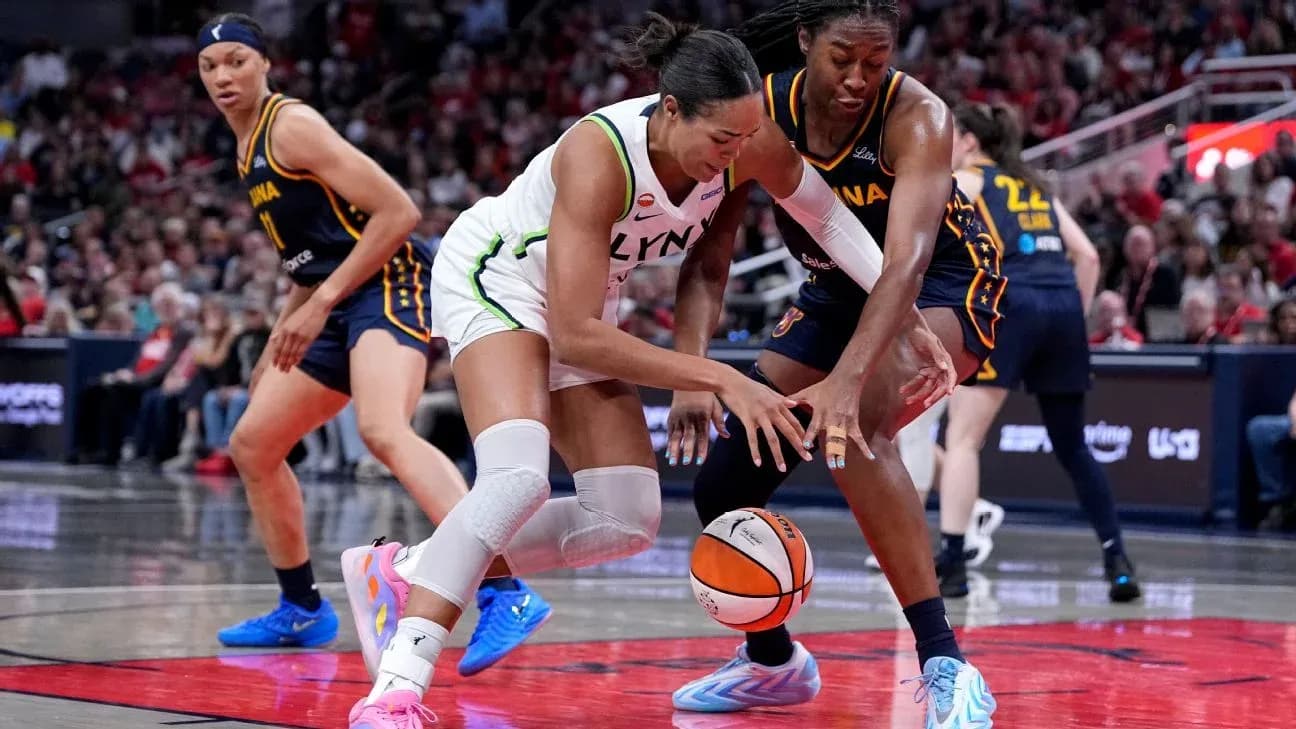
The headline move: Julius Randle and Naz Reid out, LaMelo Ball and Jonathan Kuminga in.
That’s not just a trade. That’s a philosophical shift.
Minnesota has retooled around Edwards with a backcourt partner in Ball who can stretch the floor, push tempo and carry stretches of playmaking duty. It’s the kind of pairing that has analysts already talking about the “league’s most talented backcourt,” as ESPN’s Tim MacMahon put it.
Windhorst went a step further, suggesting the transformation might even have contract implications if timing were different.
“Getting LaMelo, making this deal happen for Kuminga. If [Edwards’] extension was now, maybe he would be excited about this enough to sign it, maybe he thinks that LaMelo is going to be a perfect fit,” Windhorst said.
The Wolves didn’t stop at the starting five. They tightened the screws on the rotation too. Ayo Dosunmu and Bones Hyland are back to stabilize the second unit, Jaylen Clark has been secured with an extension, and Trey Lyles arrives to add size, shooting and playoff-tested versatility off the bench.
This isn’t tinkering. It’s a full remodel.
Edwards the Recruiter
If the roster looks like it’s been built in Edwards’ image, that’s because he helped build it.
Jonathan Kuminga, one of the most intriguing young two-way forwards in the league, had options. Serious ones. The Los Angeles Lakers, Chicago Bulls and Portland Trail Blazers all came calling. He chose Minnesota—and money wasn’t the deciding factor.
“Ant was super active in the recruitment of him,” Kuminga’s agent Aaron Turner told The Athletic last week.
The pitch wasn’t what you might expect from a rising superstar known for explosive scoring. Edwards didn’t sell Kuminga on touches or highlights. He sold him on grit.
“One thing he did was focus his message on, we’re gonna really guard here. Everybody looked at the offensive end. JK and I looked more at the defensive end,” Turner said.
That line matters. Minnesota’s rise over the last two seasons has been built on a snarling, connected defense. Edwards wanted Kuminga not just as another weapon, but as another stopper.
Turner described a simple moment that crystallized the decision. He and Kuminga sat in a gym and stripped away the noise.
“We sat at the gym this week, and I asked him, what’s the best basketball situation?” Turner said. “He said Minnesota. Well, nothing else matters. Why would you go anywhere else?”
The Wolves didn’t leave the recruiting to Edwards alone. Jaden McDaniels and LaMelo Ball also reached out, according to Turner, reinforcing the message from every corner of the locker room.
“It was such a solid respect factor from top to bottom,” he added.
Respect. Role clarity. A rising star who calls you directly and talks about guarding. For Kuminga, that was enough to walk away from richer offers and brighter spotlights.
From Contender to Hunter
Minnesota isn’t starting from scratch. This is a team that’s already felt the heat of late May.
After back-to-back trips to the Western Conference Finals, the Wolves bowed out in the second round this year against the San Antonio Spurs. The exit came with an asterisk: Edwards played through a bone bruise in his left knee, Donte DiVincenzo missed the entire series, and Ayo Dosunmu was sidelined by a calf injury. The core was battered at the wrong time.
The front office, led by Tim Connelly, responded aggressively. LaMelo Ball is the big swing. Kuminga is the bet on upside and fit. Around them, the Wolves have tried to build a rotation that can survive the grind of an 82-game season and still have enough juice in April and May.
The rest of the league has noticed.
Many analysts now slot Minnesota just behind the Spurs and the Oklahoma City Thunder in the Western Conference hierarchy. ESPN projects the Wolves to finish as the third seed. Sports Illustrated’s Charlie Walton landed in the same place, calling a top-three finish a realistic expectation.
“Things can still change between now and the start of the season. Much more will inevitably change before April rolls around,” Walton wrote. “But I don’t think it is too early to claim that the Wolves can finish third in the West. Sure, Connelly’s swing for Ball could end up being a pop out. So could his swing for Kuminga. But for the time being, the swings have this Wolves team on an upward trajectory toward the top of the Western Conference standings.”
That’s the gamble. Ball has to mesh with Edwards without dulling his edge. Kuminga has to turn defensive promise into nightly production. The bench has to hold under playoff pressure.
Yet the message from inside the building is clear: this is Edwards’ team, and the Wolves are done waiting.
He has his co-star. He has his wing. He has a front office willing to take big cuts.
Now comes the only question that matters in Minnesota: with the West tightening and expectations rising, can Anthony Edwards turn “very pleased” in August into something far louder next spring?