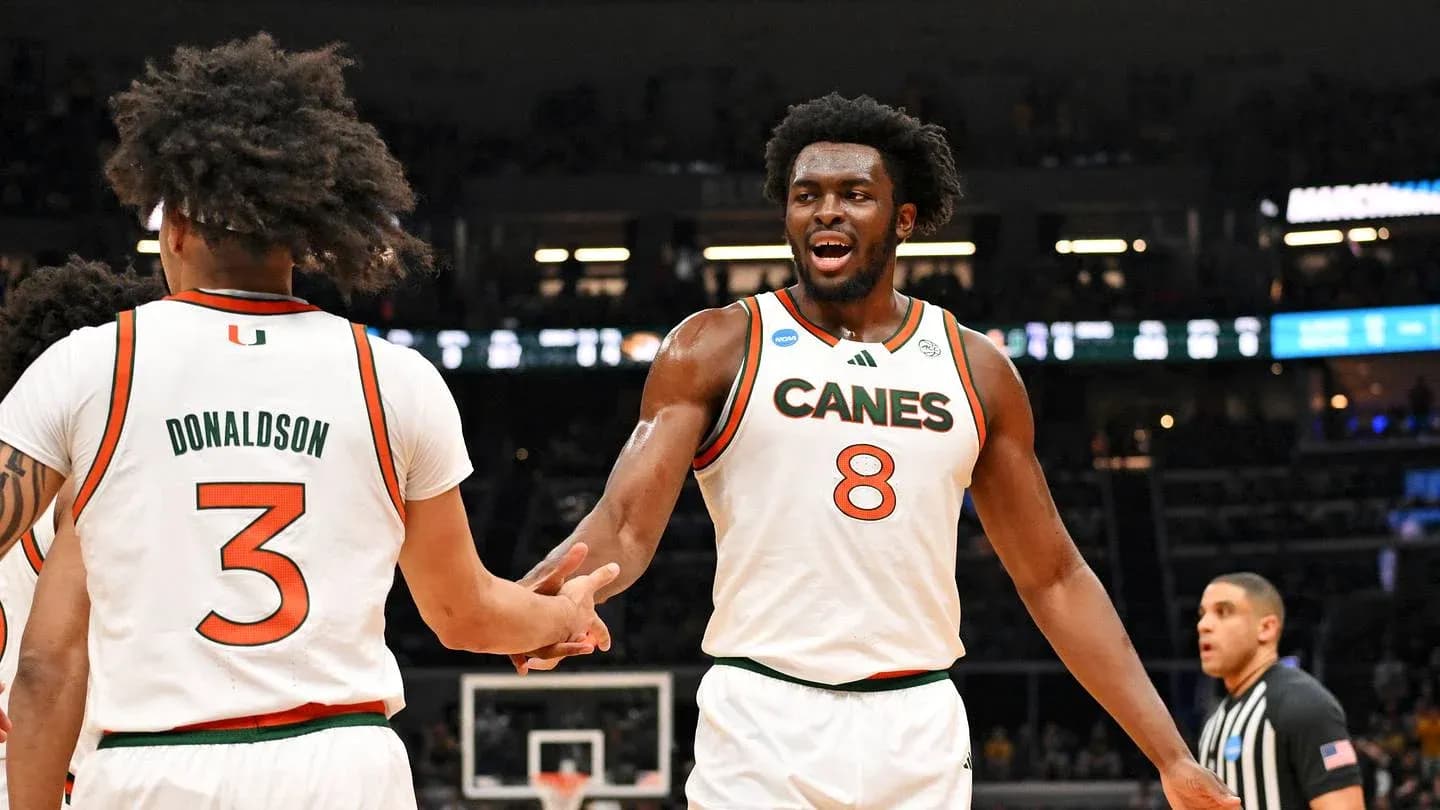
Ernest Udeh Jr.: A Throwback Big for the Cavaliers' Future
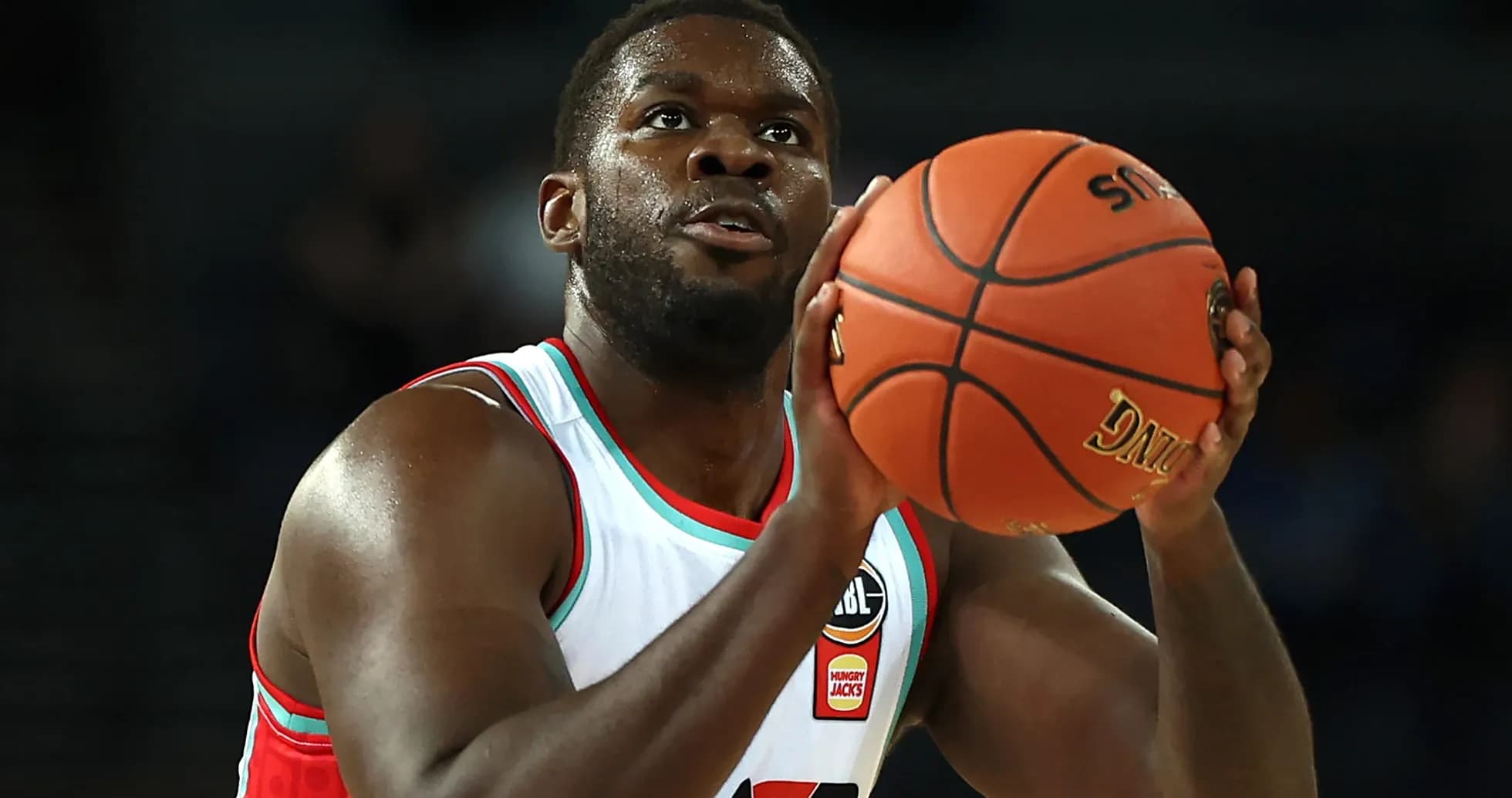
Ernest Udeh Jr. arrived in Cleveland the hard way. Three schools in four college seasons, a final stop at Miami (FL), an undrafted night, then a two-way lifeline from the Cavaliers after a gritty NCAA Tournament cameo and steady senior-year production.
Now, after a strong Summer League in Las Vegas, the question is no longer whether he belongs in the organization. It’s whether he can force his way onto a standard NBA deal by the time the 2026-27 season is rolling.
A throwback in a modern league
Udeh is not the stretch big of the modern scouting report. He is unapologetically old-school.
He doesn’t need the ball. He doesn’t float to the perimeter. You don’t run sets for him on the elbow and ask him to create. You get him the ball at the rim, and he finishes with violence.
Alley-oops. Drop-offs. Put-backs. Posters.
Defenders found out quickly in Vegas that if Udeh catches it above the restricted area with a step, it’s usually too late. The numbers won’t wow you at first glance: four points per game in Summer League, six points per game as a senior at Miami. Those lines don’t scream “future rotation piece.”
His impact comes somewhere else.
Udeh inhaled rebounds in college, pulling down nine per game in 28 minutes for Miami. Stretch that out to a per-36 projection at the NBA level, and you’re looking at a player who can live in double-digit territory on the glass. He doesn’t just contest; he ends possessions.
The real headline, though, came from his shot-blocking. In Vegas, he averaged 2.8 blocks per game and looked every bit the interior deterrent Cleveland hoped they were gambling on with that two-way deal. At Miami, he posted 1.4 blocks per game over the full season, already hinting at that timing and feel.
Scale that up with pro spacing, and you can see the outline of a G League terror. When the 2026-27 campaign tips off, he has every chance to be one of the best shot-blockers in the entire G League.
That matters for Cleveland. Behind Thomas Bryant, the depth chart at center is thin. There is opportunity, and Udeh plays a style that fills a very specific, very traditional need: protect the rim, own the boards, finish everything around the basket.
A cheap answer to an expensive problem
The Cavs still have decisions to make with their final roster spots as free agency winds down. How aggressive they get on the open market will shape Udeh’s path, but the math is on his side.
On a two-way contract, he can be active for up to 50 regular-season games. With the G League schedule starting later than the NBA’s, Cleveland can lean on that flexibility early, potentially having Ernest Udeh, Tristan Enaruna, and Riley Minix active to open the year while they sort out the back end of the roster.
If Udeh proves he can translate that Summer League presence into real minutes, the next step becomes obvious. Upgrading him to a standard NBA deal would actually cost the Cavaliers less than bringing in a veteran on the minimum. For a franchise looking to stretch every dollar while staying competitive, that kind of internal solution is gold.
The timing likely won’t be immediate. History under this front office suggests a slower burn. Dean Wade, Lamar Stevens, Craig Porter Jr., Nae’Qwan Tomlin — all started on two-way deals, then earned their standard contracts once the season exposed real needs and rewarded internal answers.
Udeh fits that pattern perfectly: low-cost, high-energy, clearly defined role.
He’s not coming to save the offense. He’s coming to anchor the dirty work, to erase mistakes at the rim, to give Cleveland a different look behind Bryant without forcing them into the marketplace.
If he keeps blocking shots like he did in Vegas and vacuuming rebounds like he did at Miami, the decision for the Cavaliers’ front office might not be whether he gets a standard deal.
It might be how long they can afford to wait.