On a warm September night in 1987, Diego Maradona’s Napoli walked into the white heat of the Bernabéu and were sent straight back out of Europe. Real Madrid, powered by La Quinta del Buitre, won their European Cup first round, first leg 2-0 in Madrid, then dug out a 1-1 draw at the San Paolo. One of the continent’s great entertainers was gone before the tournament had even found its rhythm.
Some defeats echo far beyond the dressing room. This one reached all the way to Silvio Berlusconi’s office.
The AC Milan owner, furious that a heavyweight could be dispatched so quickly – and wary the same fate might befall his own emerging superpower – decided the competition itself was the problem. Too much jeopardy, not enough protection for the clubs that drove the money and the audience. His answer was radical: a European super league, a closed shop of giants playing each other over and over again.
That particular vision never fully materialised. But the pressure worked. A rattled Uefa blinked, and five years later the European Cup had been reshaped into the Champions League. Group stages, guaranteed games, more TV dates, more revenue. The rich were given a safety net.
And still, it wasn’t enough.
One place for each champion became two, then three, then four. In some cases now, five clubs from the biggest leagues can squeeze into the same competition. The latest twist, the so‑called Swiss model, takes the Berlusconi logic to its extreme: a bloated league phase, more fixtures between the wealthiest sides, fewer nights where a giant can be dumped out before the theme music has faded from memory.
Gabriel Hanot, the French journalist who dreamed up the original pan‑European contest, built it on risk and romance. Champions against champions, straight into the fire. He would look at this new landscape and weep. The jeopardy has been thinned out; the calendar packed with content.
And yet, try turning away from a night like this.
Key Matchups
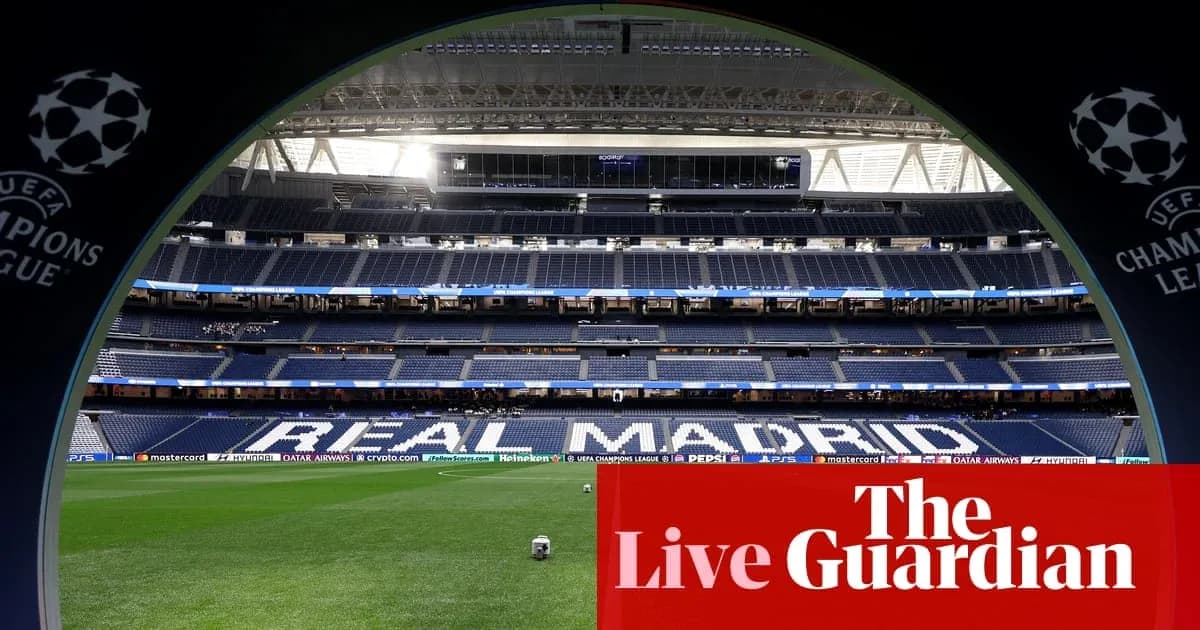
Real Madrid against Internazionale still crackles with history and intrigue, whatever the format. The storylines write themselves. José Mourinho, granted what feels like one more last chance at the elite level, stalking the touchline in the stadium where he once ruled Europe with Inter. Across from him, Cristian Chivu, his former lieutenant on the pitch, now charged with restoring Inter’s identity from the dugout, back at the club where Mourinho arguably delivered the defining work of his career.
There is nostalgia, tension, and the sense that both men are fighting time as much as the opposition. Has Mourinho rediscovered the edge that once made him untouchable? Can Chivu step out of his mentor’s shadow at the very place that forged it?
The night does not belong to Madrid alone. Dortmund are in action too, and all eyes drift towards the Westfalen and a teenager who has started to bend the noise to his will. Konstantinos Karetsas, just 18, has burst into the first team with the kind of authority that makes scouts sit up straight. Villarreal will try to quiet him; the stadium will try to carry him.
Elsewhere, the giants keep moving. Porto meet Manchester City in a tie that may say more about where City stand in this new-look Champions League than any marketing brochure ever could. Lille host Real Betis in another of those fixtures that the format churns out: not a classic rivalry, but rich with the possibility of sudden drama.
What does any of it mean in a competition that now feels more like a season-long roadshow than a knockout pilgrimage? The answer is hazy. The stakes, at least in the early weeks, can feel diluted, spread thin across a swollen schedule.
But context loses the fight once the ball starts rolling and millions of eyes lock in. People will still argue about lineups, pore over tactical tweaks, and obsess over whether a miscontrolled pass in September might haunt someone in March.
And while Europe’s elite go to work, the domestic game refuses to step aside. The League Cup hums into life across England, kick-offs scattered at 7.45pm and 8pm BST, another layer of noise on a crowded evening. Rotated squads, fringe players staking claims, managers quietly calculating how much they can chase.
It is a long way from Maradona’s Napoli and the brutal clarity of a two-legged tie that could end everything in a week. But the sport has chosen its path: more games, more giants, more guarantees.
The question now is not whether people will watch. It’s what, in this new era of endless football, will still feel truly unforgettable.