Fantasy Basketball Waiver Wire Targets
Injuries have ripped through fantasy basketball rosters, and the waiver wire has turned into triage. Titles won’t be decided in November, but seasons can quietly slip away here. This is the point where smart managers stop complaining about bad luck and start hunting for leverage.
Right now, that leverage sits in a handful of under-rostered players who suddenly have volume, opportunity and—crucially—production on their side.
9-Category League Targets
Grayson Allen, Charlotte Hornets (46% rostered)
Kon Knueppel barely made it through a game. Another hamstring issue, another long spell out. At least four weeks on the shelf for one of Charlotte’s best scorers, and he’s joined in the treatment room by Brandon Miller, who missed his second straight game Thursday with a groin problem.
Someone had to shoot. Grayson Allen stepped up and torched Cleveland for 27 points, six assists and six threes on Monday. He followed that with 14 points, six assists and four threes against Phoenix on Thursday. That’s not a blip; it’s an extension of what he’s already doing.
On the season, Allen is at 15.2 points, 3.3 assists and 3.5 three-pointers, while hitting 46.1% from the field. Those are sturdy 9-cat numbers, and the context only helps him. With Knueppel out and Miller in and out of the lineup, Allen is staring at heavy minutes and a green light. Volume plus efficiency from deep is a rare combo on the wire. He has both.
Aaron Wiggins, Atlanta Hawks (44% rostered)
Atlanta made a bold tweak, sliding CJ McCollum to the second unit and handing a starting role to Kingston Flemings. Aaron Wiggins still doesn’t hear his name in the starting lineup, but that doesn’t matter. He’s quietly becoming one of the league’s most effective sixth men.
He’s logging 26 minutes a night—on pace to be the highest mark of his career—and turning them into 14.9 points, 3.7 rebounds, 2.4 assists and 3.0 threes. That’s plug-and-play value in standard formats.
Bench scorers usually survive on efficiency, and Wiggins checks that box too. He’s shooting 46.3% from the field and 41.9% from three. Now drop that into an Atlanta offense that runs at the second-fastest pace in the league, and you get a fantasy profile built on steady, repeatable chances.
He won’t headline highlight reels, but fantasy titles are built on players like this—reliable, high-floor contributors who don’t disappear for a week at a time.
De’Anthony Melton, Golden State Warriors (32% rostered)
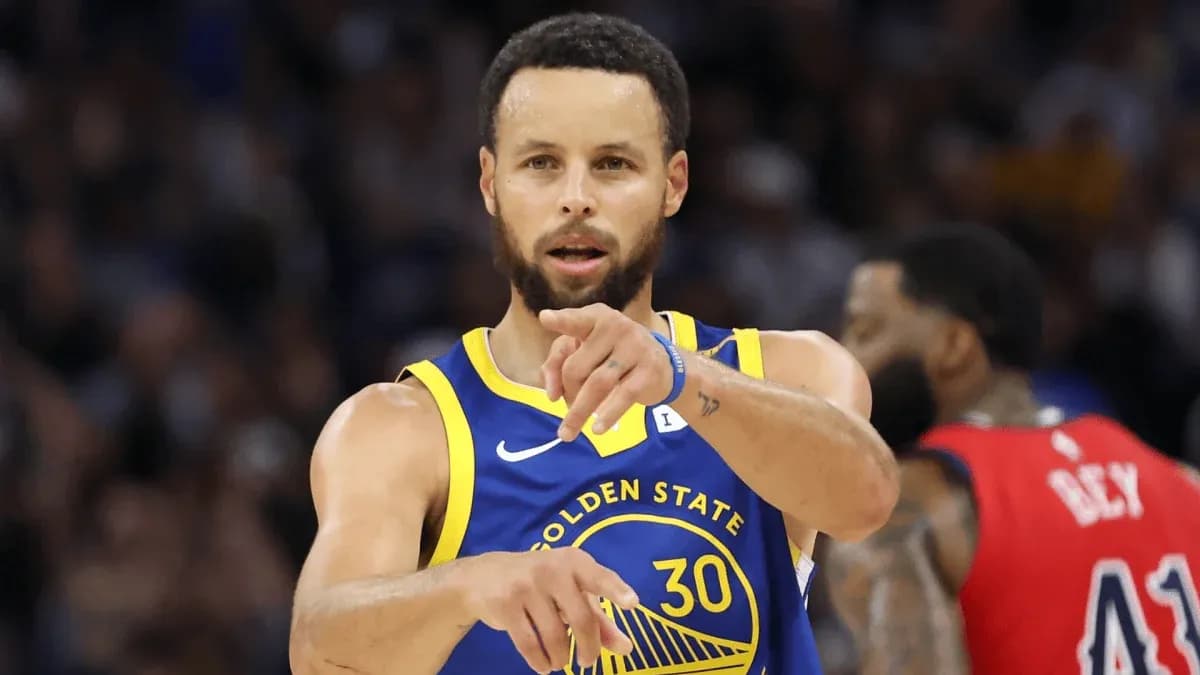
Golden State rode the surge of Yaxel Lendeborg and dared to dream again in the West. Then Thursday hit. Stephen Curry is out at least two weeks with an oblique abdominal tear, with some reports stretching that absence closer to a month. Jimmy Butler is already sidelined with a knee issue. Brandon Williams has joined them with a hamstring problem and will miss at least a week.
The rotation has thinned out in a hurry, and De’Anthony Melton is walking into that gap.
In just 22 minutes per game this season, Melton is averaging 10.1 points, 4.3 rebounds, 2.3 assists, 1.3 steals and 2.3 threes. That’s classic Melton: across-the-board production, strong defensive stats, and enough shooting to matter.
The question is workload. His own injury history suggests he’s not built for 34 minutes a night across a long stretch, but he doesn’t need that. If he climbs into the 24–26 minute range while Curry and others sit, those numbers scale up nicely. Steals and threes are premium 9-cat currencies. Melton offers both, right when Golden State has no choice but to lean on him.
Pelle Larsson, Miami Heat (29% rostered)
Miami pushed their chips in for Giannis Antetokounmpo and paid with their depth. The young core was stripped back, replaced by veteran names—Klay Thompson, Tim Hardaway Jr., Bobby Portis—who bring experience but limited upside at this stage.
Pelle Larsson is the exception.
The Heat recently promoted him to the starting lineup ahead of Andrew Wiggins, who has labored to just 8.7 points and 2.8 rebounds in 26 minutes per game. Larsson, mostly off the bench until now, has been far more lively: 11.4 points, 3.5 rebounds, 3.5 assists, 1.3 steals and 1.4 threes.
The shooting leap jumps off the page. He went from 32.3% from deep last season to 46.9% this year. That number will likely cool, but look at his environment. Playing next to Giannis and Bam Adebayo means clean looks, drive-and-kick threes and lanes to attack closeouts.
Even if the shooting regresses, his multi-category profile should hold. Points, assists, steals, threes—Larsson checks a lot of boxes without needing 20 shots a night. In 9-cat leagues, that versatility is gold.
Points League Target
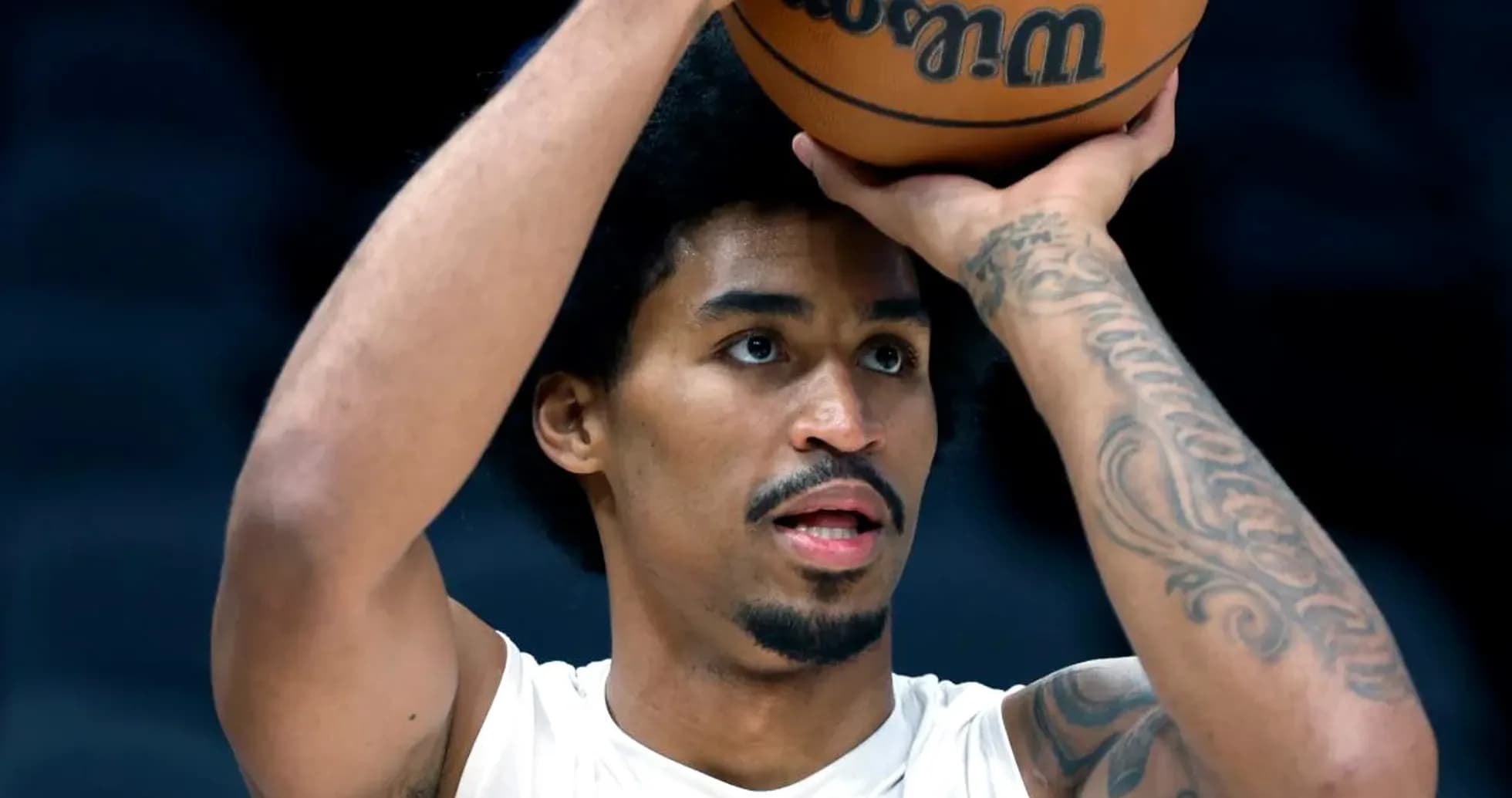
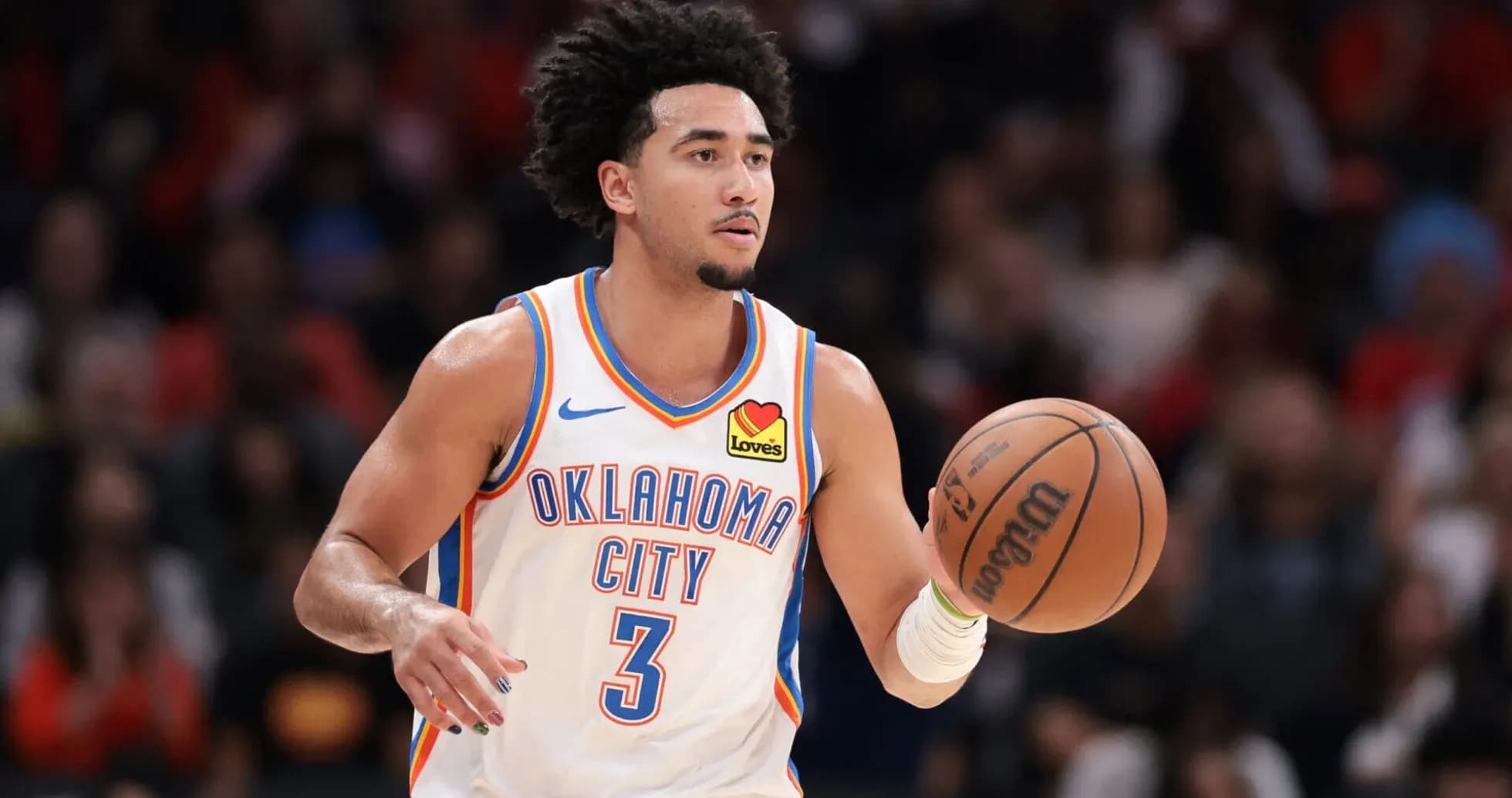
Jared McCain, Oklahoma City Thunder (50% rostered)
Jared McCain arrived in Oklahoma City from Philadelphia last season with no clear path to real minutes. The Thunder were chasing a title, stacked with depth, and his role looked simple: wait.
The landscape changed fast.
Oklahoma City trimmed some of that depth in the offseason. Then the injuries hit: Jalen Williams (leg), Chet Holmgren (knee) and Cason Wallace (shoulder) all went down, and suddenly McCain wasn’t waiting anymore—he was needed.
Over his last nine games, he’s averaged 28 minutes, posting 13.9 points, 4.4 rebounds, 2.2 assists and 1.0 steal. The efficiency hasn’t followed yet; he’s shooting 40.7% from the field in that stretch, after 42.5% last season between the 76ers and Thunder.
In category leagues, that field-goal percentage hurts. In points formats, it doesn’t. Volume is what matters there, and McCain now has it. Minutes, touches, shots—all up. As long as Oklahoma City remains shorthanded, he’s a strong points-league pickup with room to climb if the shot ever starts to fall consistently.
High Score League Target
Brice Sensabaugh, Utah Jazz (4% rostered)
Utah’s scoring hierarchy has been ripped apart. Jaren Jackson Jr. is already out with a knee issue. Now Lauri Markkanen joins him on the sideline with a hand injury that will cost him at least four weeks.
Keyonte George becomes the primary scorer by default. The last two first-round picks, Ace Bailey and Darryn Peterson, will be pushed into larger roles. Behind them? A group of role players who don’t naturally lean toward taking over games.
Brice Sensabaugh is the outlier.
He is, simply, a scorer. Last season he averaged 14.9 points and 2.2 threes in only 24 minutes per game. When the Jazz fell to Orlando on Wednesday, Sensabaugh poured in 19 points, hit three threes and logged a season-high 23 minutes.
That’s the blueprint. Give him around 30 minutes on any given night, and he has the firepower to cruise past 20 points. There will be quiet games—he’s not a metronome—but in high-score formats, where raw output matters more than week-to-week consistency, that upside is exactly what you chase.
In a season already reshaped by injuries, Sensabaugh now has a chance to reshape fantasy matchups as well.