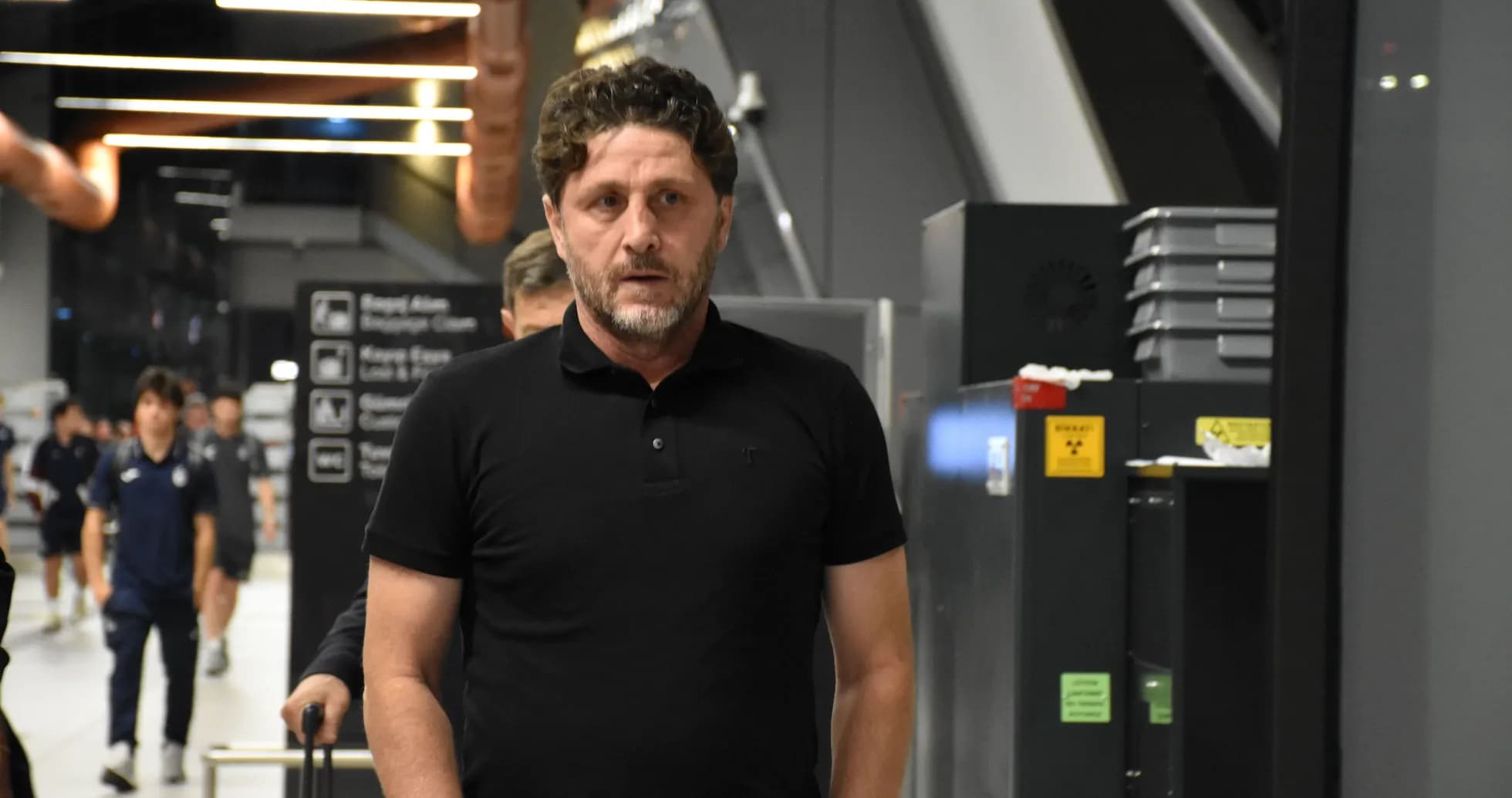
Fatih Tekke walked into the press room looking like a man who had just watched a season’s work go up in smoke. The European exit had cut deep. He didn’t try to hide it, and he didn’t try to share the blame.
“We had a very sad night, of course, and the reason is me and my team,” he said, his voice carrying the weight of a dressing room still stunned by the scale of the defeat. “It was a sad night for our country and our society.”
Until the red card, he insisted, the game had followed the plan. Then it all unraveled. The result cost Trabzonspor a place in the Europa League and left a proud club staring at the wreckage of a failed continental campaign.
For Tekke, the pain translated into a dramatic gesture.
“For 18 months, day and night, my team and I have been thinking about how to deliver a better performance,” he said. “As of now, I am submitting my resignation from my 18-month term, and I believe I have the right to punish myself in this way.”
It was raw, emotional, and immediate. Too immediate for the club’s hierarchy.
Within hours, Trabzonspor moved to shut down the idea of a managerial change. In an official statement, they framed Tekke’s decision as a reaction born in the “heat of the moment” after the defeat to Ferencvaros. The board rejected his resignation outright.
“The Trabzonspor Board of Directors has rejected manager Fatih Tekke's resignation,” the club confirmed, underlining that their head coach would remain in charge and lead the team into their next domestic assignment against Amedspor.
So the story flips. The coach who tried to fall on his sword is told to stay on the front line.
Now comes the real test.
Trabzonspor must turn quickly from European heartbreak to the grind of the Turkish Super Lig, with a trip to Amedspor on Monday, August 31 looming large. The timing is unforgiving: one more match, then a pause for the international break. Drop points, and the cloud hangs over the club for weeks. Win well, and the narrative softens.
Tekke’s immediate challenge is not tactical. It is psychological. He has to walk back into that dressing room, having publicly blamed himself and tried to resign, and convince his players that the season is still alive, that belief is still possible.
The supporters will demand a response. Not a cautious one. An emphatic one.
Three points in Amed might buy time. A convincing performance might do more than that. It might show whether this jolt, this almost-resignation, becomes the breaking point of Tekke’s tenure—or the moment it hardens his Trabzonspor into something more resilient.