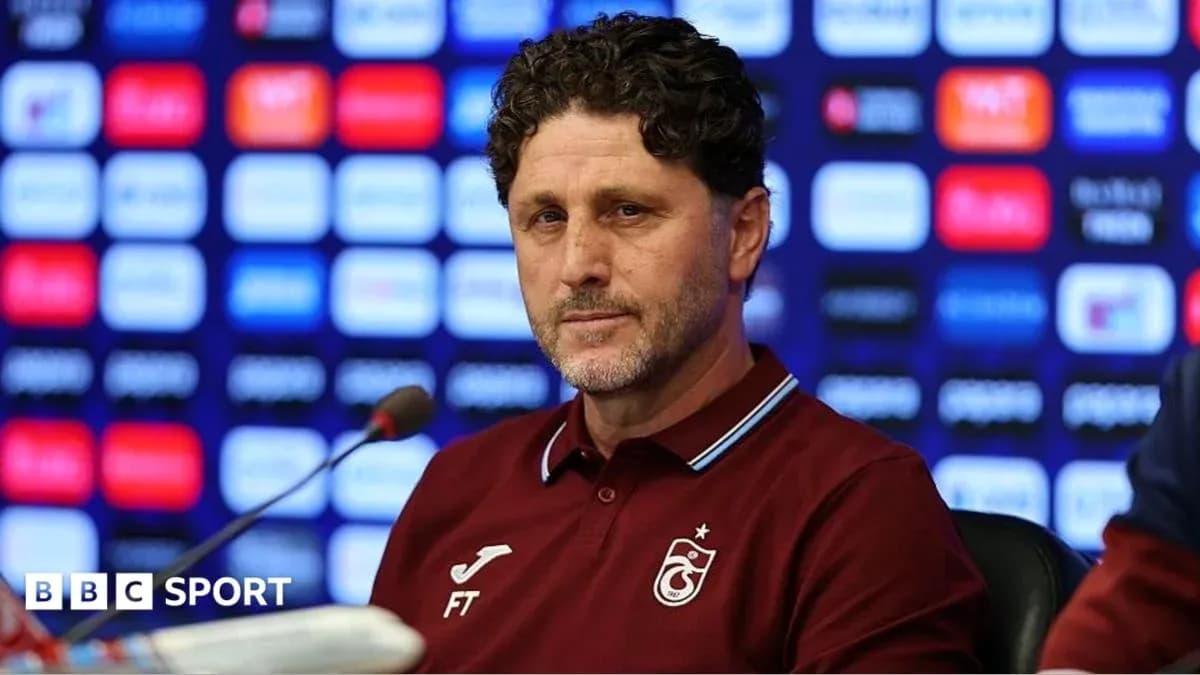
Fatih Tekke’s second spell at Trabzonspor ended not with a boardroom coup or a slow, inevitable slide, but with a resignation that the club first tried to resist — and then had to accept.
The 48-year-old head coach, who steered Trabzonspor to third place in the Super Lig last season and delivered the Turkish Cup, stepped down in the aftermath of a brutal Europa League exit to Ferencvaros, 5-0 on aggregate in the play-off round. The defeat cut deep. Tekke immediately offered his resignation, rocked by the scale of the collapse on the European stage.
At first, the club pushed back. On Friday, Trabzonspor rejected his request, framing his decision as one taken under the “intense emotional impact” of the Ferencvaros loss. The message was clear: calm down, take a breath, we move on.
That stance did not last long.
By Wednesday, the mood in Trabzon had shifted. In a carefully worded statement, the club announced it had reached a “mutual understanding” with Tekke and agreed to part ways “in line with Trabzonspor’s interests and long‑term objectives”. The emotional outburst had become the official exit.
The statement underlined the scale of Tekke’s contribution over his roughly 18-month tenure. He “brought significant value to Trabzonspor”, the club said, pointing to both sporting and financial gains. The highlight came when he “brought the Turkish Cup back to our museum”, a line that underlines how silverware still carries symbolic weight in a club that measures itself against Istanbul’s giants.
Tekke’s work with the squad also drew praise. The club credited him with helping develop the players added during his time in charge, a nod to both performance on the pitch and the balance sheet off it. For a club that constantly walks the line between ambition and financial reality, that matters.
The key passage, though, was reserved for the manner of his departure. Trabzonspor said it had reached common ground with a coach “who stated he would never allow his presence to harm Trabzonspor in any way”, and that “drawing a new roadmap, prioritising the club’s interests above all else, had become unavoidable”.
In other words, Tekke did not fight. He chose to leave rather than risk becoming a lightning rod for anger after the European humiliation.
The club closed by thanking him “for his efforts, his dedicated work, the successes he delivered, and the value he added to Trabzonspor.” Warm words, yes, but also a full stop.
Now the search begins for a successor who must match Tekke’s domestic consistency, restore belief after the Ferencvaros debacle, and fit into those “long-term objectives” the board has now nailed to the mast.