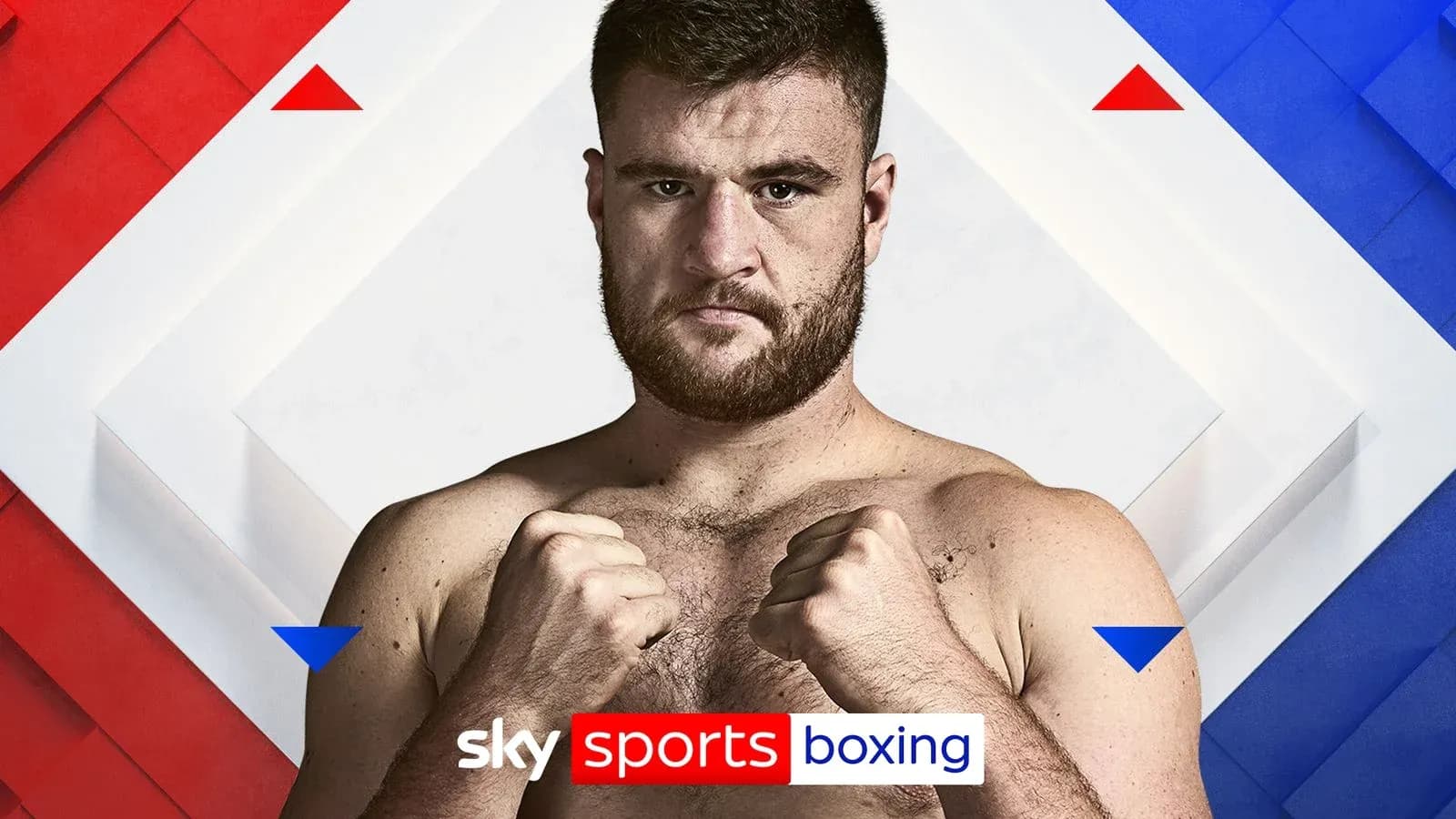
Filip Hrgovic walked into a hostile O2 Arena and walked out with Moses Itauma’s dream in pieces.
On a night built to crown British boxing’s next heavyweight superstar, the 21-year-old phenom punched himself to a standstill. Hrgovic, written off by many as the opponent in someone else’s coronation, simply waited, absorbed, and then, when the young pretender’s tank finally emptied, tore the script to shreds.
A blistering start, a brutal finish
The mood inside the O2 told its own story. Hrgovic, draped in Croatia’s red-and-white checks, entered first to a chorus of boos. Minutes later, Itauma emerged to a roar that shook the arena, soaking up the adulation of a crowd convinced they were about to witness history. The build-up had been nasty – shoves, slaps, words – and the fans had picked their side.
Itauma charged out like a man determined to justify the hype. From his southpaw stance, he snapped out straight lefts, beating Hrgovic to the punch and setting a fierce pace. The Croatian, known for his durability, looked a step behind early on, struggling to match the Briton’s speed.
Then came the second round and the first surge of electricity. Itauma whipped in a right hook that knocked Hrgovic off balance, his glove brushing the canvas for a knockdown. The crowd exploded. Oasis star Noel Gallagher, Prince Naseem Hamed and thousands more rose to their feet, gasping at almost every Itauma shot, whether it landed cleanly or not. The aura of inevitability around the young contender seemed to grow with each exchange.
But something else was happening, less obvious, more ominous.
By the end of the third, Itauma’s chest was heaving. This was his first world-title fight, only the 27th professional round of his career, and he was burning fuel at a reckless rate. Hrgovic, an Olympic bronze medallist and beaten only once previously as a professional by Daniel Dubois, had seen this kind of storm before. He took the clean shots, wore the others on gloves and shoulders, and kept walking forward.
The slow turn of the tide
Questions had hovered over Itauma’s chin, largely because no one had truly tested it. Hrgovic began to do just that. Heavy, single shots started to land – not in clusters, but with enough weight to ask serious questions. Itauma answered them, for a while. He took the punches, reset, and fired back with combinations that drew another wave of noise from the stands.
A brief scuffle in the crowd during the fifth round dragged eyes away from the ring, but Itauma yanked the focus back with a sharp uppercut in the closing seconds. He was still throwing in volume, still chasing the spectacular finish that would underline his arrival as the division’s next big thing.
Hrgovic refused to budge. A booming right hand crashed in on the bell at the end of the sixth. Another thudded home in the seventh. Each time, the Croatian simply ploughed forward, expression unchanged, as if clocking in for overtime.
On the cards, Itauma was in control. He had the knockdown, the early rounds, the cleaner work. But instead of easing off, boxing within himself and managing the clock, he kept hunting the knockout. The relentlessness that had blown away his first 14 opponents was now draining him in real time.
By the eighth, the warning signs were glaring. Itauma still had enough left to back Hrgovic onto the ropes with a furious flurry, forcing the older man into a brief spell of discomfort. Yet between exchanges, the mask slipped. He grimaced, shoulders sagging, breathing heavy, the effort of every combination etched across his face.
The danger was no longer theoretical. It was looming.
When experience bites
Hrgovic had seen it from the opening bell.
“From the first round, I saw his gassing out,” he said afterwards. “He started fast. I knew he was going to gas out. I knew when my chance came I needed to push. That is what I did.”
He had also paid Itauma a pointed compliment: “He is the best I have been in the ring with, but he needs more experience. I knew I was losing the round, but I knew that I had the pace in my favour. He needs more experience, but he is one of a kind.”
That experience, and that pace, crashed down on the 21-year-old in the ninth.
Hrgovic stepped out with renewed menace, no longer content to survive. A heavy right hand detonated on Itauma and sent him staggering backwards, almost tumbling through the ropes. Somehow, the youngster stayed upright, legs betraying him, balance gone. His body language screamed what his heart refused to admit: the fight had turned.
Hrgovic didn’t let him off. He pressed forward, sensing the moment he had been waiting for. Itauma, who had spent the first half of the fight dictating everything, now looked trapped in his own corner, arms dropping, reflexes dulled by exhaustion. His body swayed, legs unsteady, the volume that once overwhelmed now completely gone.
Then came the image that will haunt his early career: the 21-year-old slumping into the corner, barely able to defend himself, as his team hurled in the towel to spare him further punishment.
The IBF heavyweight title slipped away in an instant.
A dream delayed, not destroyed
Itauma, a heavy favourite going in and widely touted as the next superstar of the division, required medical attention before being taken from the arena on a stretcher. The celebrations around Hrgovic were tempered by the sight of a young fighter who had given everything, and too much, in pursuit of history.
Had he won, Itauma would have become the second-youngest heavyweight world champion ever. Instead, his inexperience – in pacing, in managing a 12-round storm, in understanding that not every fight can be won at full throttle – cost him on the biggest night of his life.
Hrgovic, booed on the way in, left London with the belt, the respect, and the satisfaction of a man who weathered the hype and the punches, then turned a one-sided story into his own. He didn’t just upset the odds. He exposed the gap between raw talent and finished article at the very top of the heavyweight game.
The aura around Moses Itauma has been dented, not destroyed. The question now is simple and unforgiving: how quickly can the 21-year-old learn from a night when the world title was in his grasp, and his own ambition helped rip it away?