Formula 1 will dial up the jeopardy in 2027, expanding its sprint race programme from six to 10 events and planting the format in some of the sport’s most iconic locations – including Monaco.
The new calendar, confirmed with a record 24 grands prix across five continents, leans heavily into the idea that fans want meaningful action on all three days. That means more Fridays that matter, more Saturdays that decide points, and far less time spent treating practice as background noise.
Sprint era steps up a gear
For the first time, Bahrain, Australia, Japan, Monaco and Abu Dhabi will stage sprint weekends. Canada, Britain, Italy, Brazil and Qatar retain their slots, completing a 10-race sprint roster that would have been unthinkable only a few seasons ago.
Until now, six sprints in a year was the ceiling. Formula 1 has smashed through it.
Organisers know why. Sprint weekends are more expensive to host, but they sell. Silverstone is the case study being waved around the paddock: the British Grand Prix’s first sprint this year coincided with the event’s highest ever attendance, with 64,000 more fans through the gates over four days than the previous, non-sprint edition.
More competitive sessions. More jeopardy. More tickets.
A bold bet on Monaco
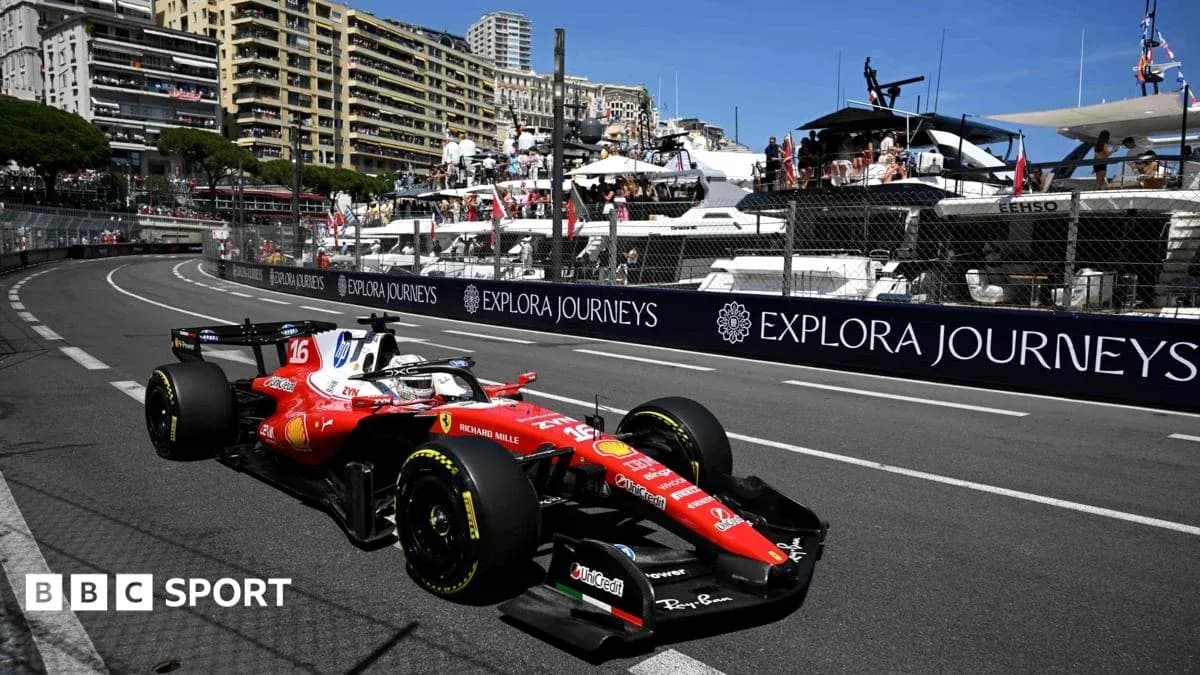
The headline addition is Monaco. A sprint race around a circuit where overtaking is almost non-existent will divide opinion, and Formula 1 knows it.
The sport is pitching the move not on the promise of wheel-to-wheel chaos, but on something more subtle: two separate qualifying sessions around one of the most demanding tracks on the calendar. Qualifying in Monaco is already treated by many drivers as a kind of high-speed art form. In 2027, there will be two of them.
Two qualifying sessions mean two chances for error, two chances for brilliance, and potentially two very different grid orders. That’s the upside.
The downside is obvious. With passing so rare, the finishing order of the sprint is likely to be set almost immediately once the field files through Sainte Dévote and up the hill. Unless accidents or reliability shake things up, the first lap could decide the lot.
Still, Formula 1 is betting that the sheer tension of an extra Monaco qualifying, and the possibility of a mixed-up grid, outweighs the risk of a processional Saturday.
A calendar shaped by conflict
Bahrain retains its status as the default season opener, with the 2027 campaign scheduled to start there on 12-14 March, followed a week later by Saudi Arabia. Both races sit under a cloud of uncertainty while the war in the Middle East continues.
Australia has stepped in as the curtain-raiser for the past two years because of the timing of Ramadan. That kind of flexibility may be needed again. Formula 1 is already working through contingency plans for both the start and end of upcoming seasons if events in the region cannot go ahead.
The 2026 championship is currently set to close with Qatar and Abu Dhabi. The plan is to run that schedule as published, but the sport is openly considering alternatives should the conflict between the US/Israel and Iran make racing there impossible. The same question hangs over the 2027 opening rounds.
On Sunday, a summit of nations involved in or affected by the conflict called for “maximum restraint” in the war. Formula 1, as ever, must plot a calendar around forces far beyond its control.
Portugal and Turkey return
Amid the uncertainty, two familiar names make a welcome return. Portugal and Turkey are back on the schedule for the first time since they were used as pandemic-era stand-ins.
Portimão’s sweeping elevation changes and Istanbul Park’s flowing layout – including the famous Turn 8 – both earned praise during their temporary stints. Now they return as fully fledged stops on a packed championship trail, adding depth and variety to a season that stretches from the Gulf to Europe, the Americas and beyond.
F1 president and chief executive officer Stefano Domenicali said: “We are thrilled to welcome Portugal and Turkey to the championship and to expand sprint racing to 10 events, giving our fans even more intensity, drama, and the wheel-to-wheel action that make our sport so special.”
Mohammed Ben Sulayem, president of the FIA, called the 2027 FIA F1 World Championship calendar “a strong reflection of the global appeal and continued growth of our sport,” highlighting the blend of “tradition, innovation and fan engagement” across 24 grands prix.
Relentless schedule, rising stakes
Pre-season testing is booked for Bahrain from 24-27 February, meaning teams will again shake down their new machinery under the floodlights and desert winds before rolling almost straight into the first race weekend.
By the time the lights go out on the final lap in Abu Dhabi, drivers will have faced 24 grands prix and 10 sprints, with competitive running on the majority of Fridays of the year. It is a relentless schedule, one that asks as many questions of teams’ stamina and logistics as it does of outright speed.
The direction is clear: more races, more sprints, more points on the line. The only real unknown is whether the sport – and its stars – can keep up with the pace it has now set for itself.