The drivers’ title is already boxed off, the constructors’ crown could follow on Sunday, but Formula 1 refuses to idle. It never does.
Sao Paulo this weekend is not an epilogue. It feels like a prologue – the first page of the 2027 title fight.
Mercedes: Champions looking over their shoulder
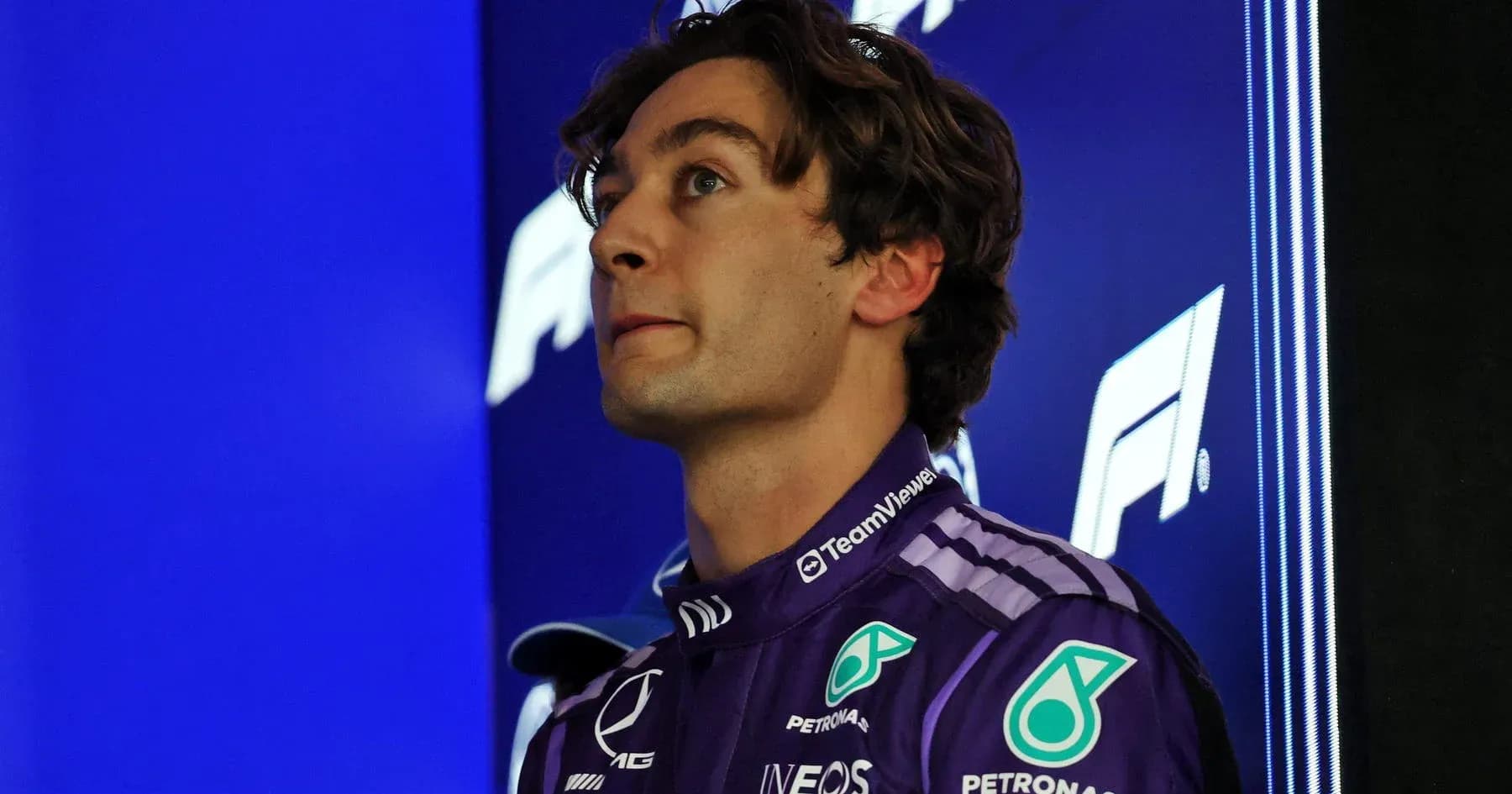
Kimi Antonelli arrives as the new world champion, talking not about winding down but gearing up. For him, these final races are rehearsal time for defending the crown in 2027. On the other side of the Mercedes garage, George Russell is combing through the wreckage of a season that slipped away, trying to understand how a title charge dissolved.
For the team, the mission is far more straightforward: three points more than Ferrari. That’s all Mercedes need this weekend to seal the constructors’ championship and stamp an official seal on their resurgence to something resembling their 2010s dominance.
It has been a split-season story. Mercedes crushed the opening third, taking seven wins from the first eight races and threatening to turn the year into a procession. Then the field bit back.
Over the past 12 races, the numbers tell a different tale: six wins for Mercedes, three for Red Bull, two for McLaren, one for Ferrari. The chasm shrank into a scrap among four teams, and Sao Paulo is offering only the first hints of how that fight might roll into next year.
Early practice suggests Antonelli is in decent shape, with Lando Norris looking sharp in an upgraded McLaren. Beyond that, the competitive picture is still hazy. The storylines are not.
Ferrari: Fast car, fragile harmony
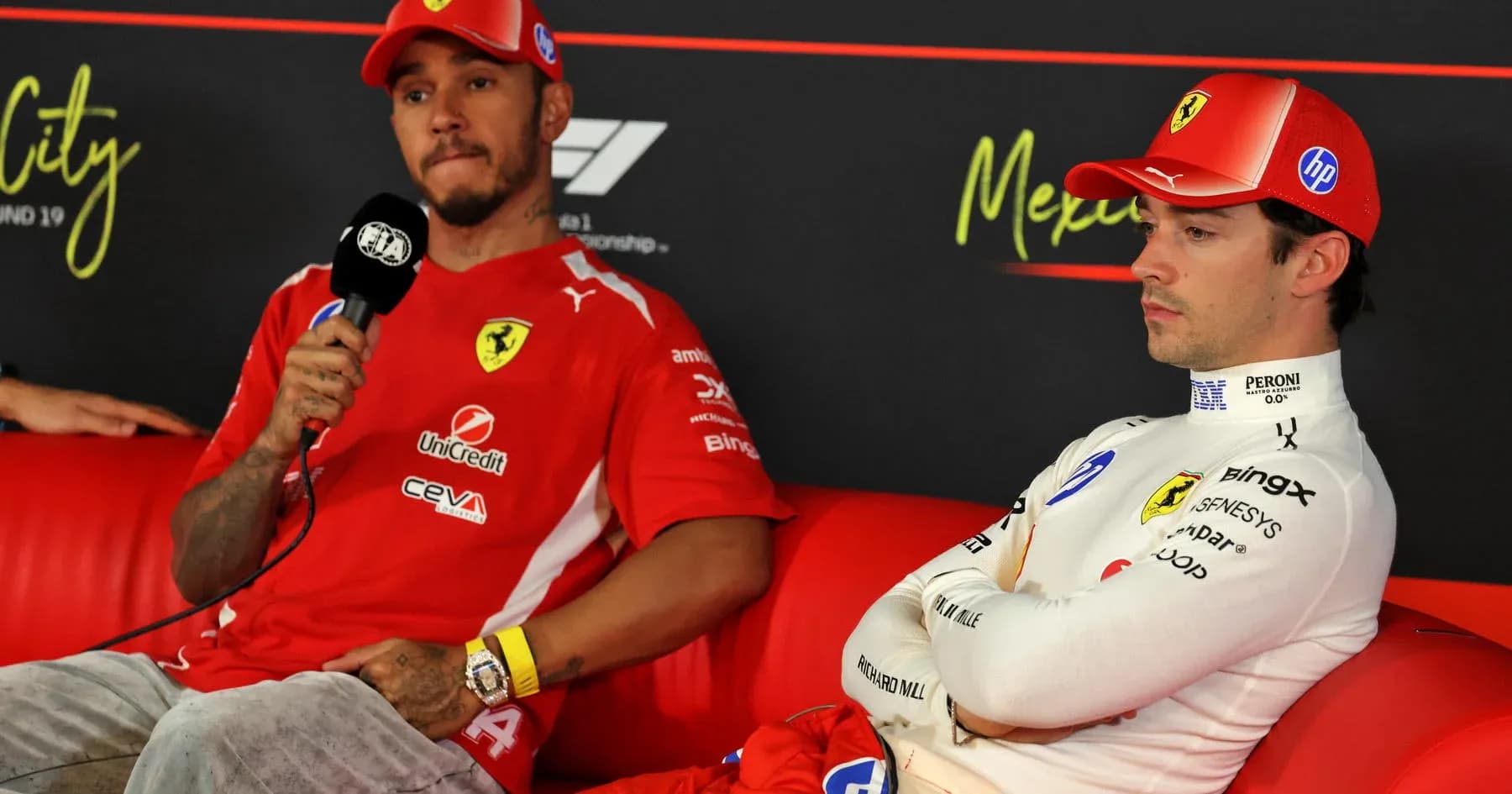
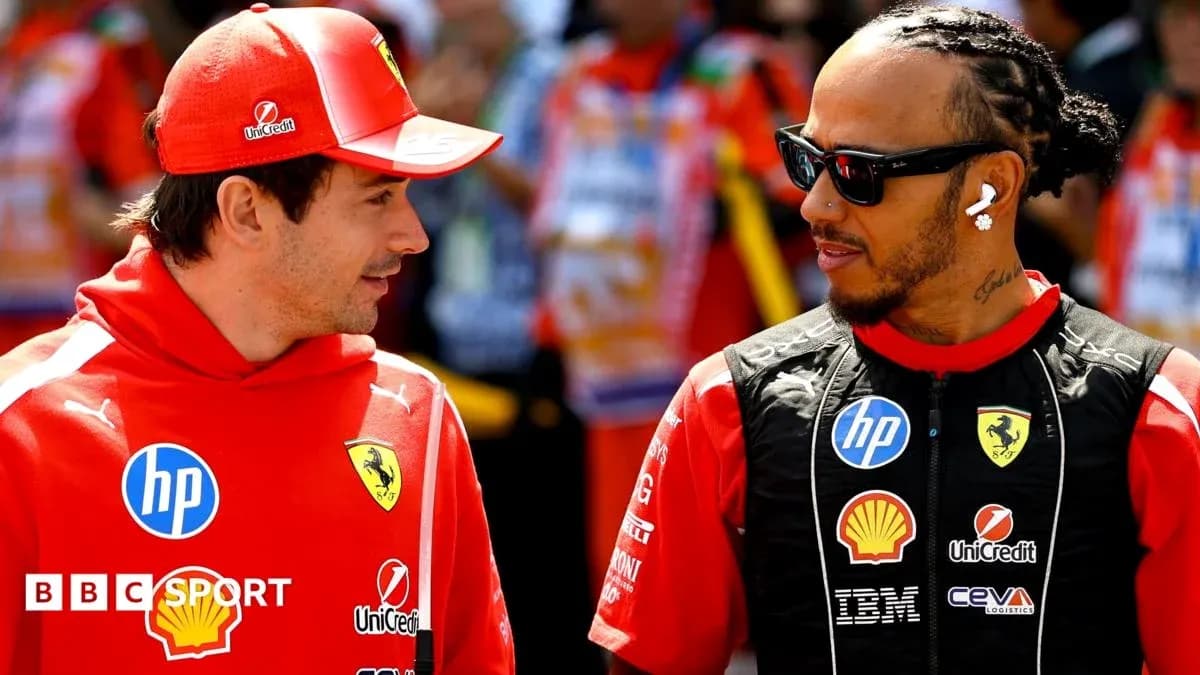
The loudest of those threads runs through Ferrari. Lewis Hamilton and Charles Leclerc arrive in Brazil with bruised egos and a broken result from Mexico, where they managed to turn a likely one-two into a first-lap tangle.
Hamilton did not hide his anger. After Mexico, he spoke of “big problems” and the need for “serious talks”. Those talks happened on Thursday evening, once Leclerc and team principal Frederic Vasseur had flown back from Europe.
Vasseur’s verdict on Friday was calm but pointed. The meeting, he said, “went well”. Positions were clarified, the page turned. But the rules remain unchanged: respect each other, respect Ferrari, respect the people at Maranello and at the track. The team comes first. It always must.
“The message was clear and will stay clear,” Vasseur said. Ferrari failed in Mexico. They need a reaction. The reminder was simple: Ferrari before everything.
The scale of the problem is obvious. So is the potential for it to flare again.
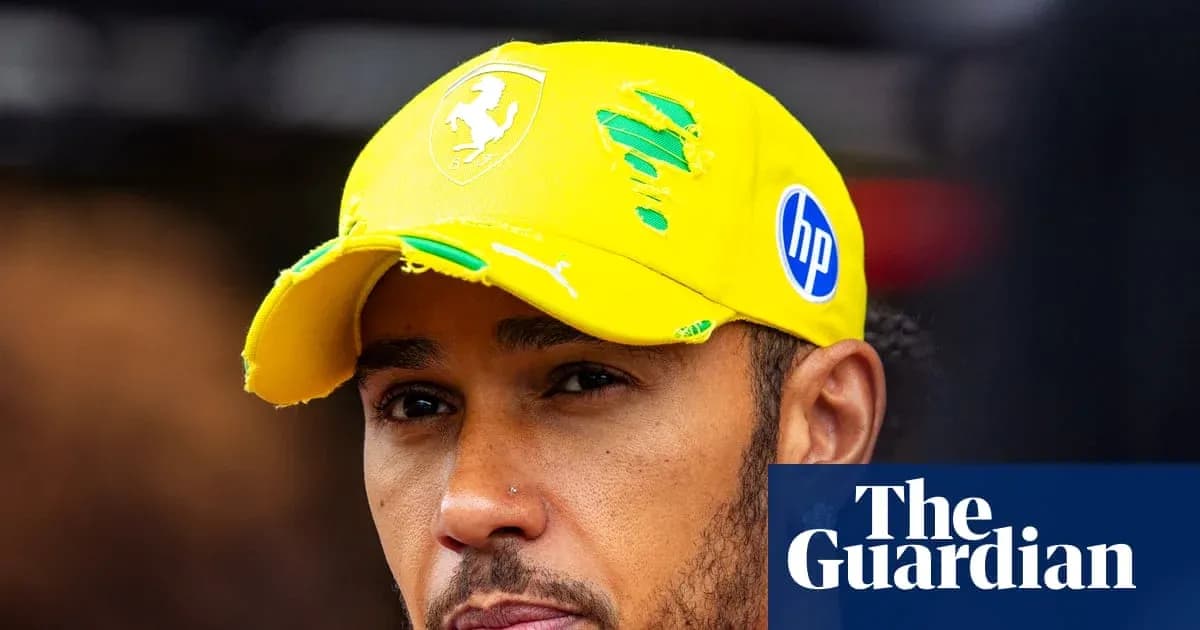
Hamilton has been especially direct. He has highlighted what he sees as a pattern in Leclerc’s wheel-to-wheel choices – noting how Leclerc backed out against Max Verstappen at the start in Singapore, compared with the way he raced Hamilton in Mexico City. Hamilton believes Ferrari threw away a simple one-two and says this is not a one-off, but part of a theme he has seen before with Leclerc and previous team-mates such as Sebastian Vettel and Carlos Sainz.
He is not apologising for saying it.
“I’ve never apologised for being authentic and real,” Hamilton said. “I’m not going to be silenced. I wear my heart on my sleeve and I say how I feel in the moment.”
For Vasseur, this is more than a man-management headache. If Ferrari can hang on to the chassis advantage they’ve enjoyed this year and drag their power unit up to the level of Mercedes and Red Bull, they have a realistic shot at the title next season. Internal chaos would kill that before it starts.
Hamilton knows his own impact. “Naturally, it’s not so easy having someone like me come into a team,” he said. He is vocal, demanding, relentless. He pushes for change and will keep pushing.
He is already embedded with the technical side, working with the head of aerodynamics to preserve the strengths of this year’s car and iron out the subtleties that still hold it back. The power-unit group has its own mountain to climb. Hamilton is clear: he believes Ferrari can fight for the championship next year, if they get those details right.
Red Bull: From crisis to charge
At Red Bull, the story is far cleaner. No public rows, no internal drama. Just a team hauling itself back into the fight.
Verstappen’s win in Mexico – opportunistic, ruthless, classic Verstappen – was his third in the last four races. It has dragged him up to second in the drivers’ standings, a position that looked utterly fanciful early in the year when Red Bull were almost a second off the pace and stuck in the midfield mire.
“It’s a big surprise to be second in the championship, but we take it,” Verstappen said.
He talked openly about the team’s early struggles: the car wasn’t where they needed it, the power unit still a learning exercise. But they chipped away. They studied, adjusted, clawed back performance.
From his side, Verstappen never settled for midfield anonymity. P6, P7 – those weren’t acceptable destinations, only temporary ceilings. On bad days, sixth was the maximum. Once the car improved, the ceiling rose with it. Suddenly, he could fight at the front again. Suddenly, he was winning.
Each win sliced points away from everyone else. That, Verstappen said, has defined the last stretch of races. The bigger picture? A team that refused to give up and engineered a turnaround within a single season.
The battle for second now is tight. Verstappen holds it by two points from Hamilton. Hamilton sits nine clear of Russell, who is five ahead of Leclerc. None of them truly care about being runner-up. They race to win.
There is even a practical downside to finishing in the top three: the mandatory trip to the FIA prize-giving in Shanghai a week after the season ends. Fourth place means staying at home.
Still, for next year’s psychology, second carries some weight. And for the teams, the constructors’ standings matter in cold, hard cash. Just 17 points separate Red Bull and McLaren in the fight for third, with around $10m at stake.
McLaren: Flashes of speed, flaws to fix
McLaren’s season has followed a familiar rhythm: a big early deficit, then a steep climb. They hacked away at Mercedes’ advantage, and in the summer, when Norris won in Hungary and the Netherlands, they briefly looked like the fastest outfit in the field.
Since then, the orange surge has eased. The car slipped back a notch. But the team has brought upgrades to Brazil and believes it can get back into the podium conversation.
“I certainly feel like the last few weekends, the pace has not been too bad on Sundays,” Norris said. He talked about fine margins – small details that, if corrected, could have turned solid results into strong ones. The upgrades, he hopes, can nudge McLaren forward just enough in qualifying to transform their Sundays.
He is not expecting instant wins. He knows the car still has weaknesses: drivability issues, a tricky balance that makes it hard to extract consistent performance. The potential, though, is there. Norris wants a return to the podium. The team believes that is realistic if they can just start a little further up the grid.
McLaren came into this season knowing they had sacrificed some of their 2026 potential to get last year’s title over the line. Now, they also know the 2026 car carries built-in compromises they did not fully appreciate at the time – gear ratios that are too short, too much drag, a wheelbase shorter than ideal.
Those are structural flaws, but fixable ones. Next year’s car can address them, and the painful learning curve on the new power-unit rules should ease. They will not be starting from scratch again.
Uncertain calendar, familiar risk
On paper, Brazil should be followed by three more races: Las Vegas, Qatar and Abu Dhabi. Reality might intervene.
There are serious question marks over the two Gulf rounds in the context of the war in the Middle East. MotoGP, owned by the same US group that runs F1, is in Qatar this weekend, operating almost as a live test case for the grand prix scheduled later in the month.
Personnel there have been handed stark instructions on what to do in the event of a missile strike. That alone underlines the tension surrounding the final stretch of the calendar.
A decision deadline is looming. F1 has consulted governments and security experts, pressing for assurances, building contingency plans. They can control their preparation; they cannot control the wider world.
So the sport pushes on to Interlagos with its usual blend of calculation and risk, teams chasing marginal gains for 2027 while a championship that is already decided still crackles with storylines. Titles may be settled, but reputations, relationships and the shape of the next era are very much still in play.