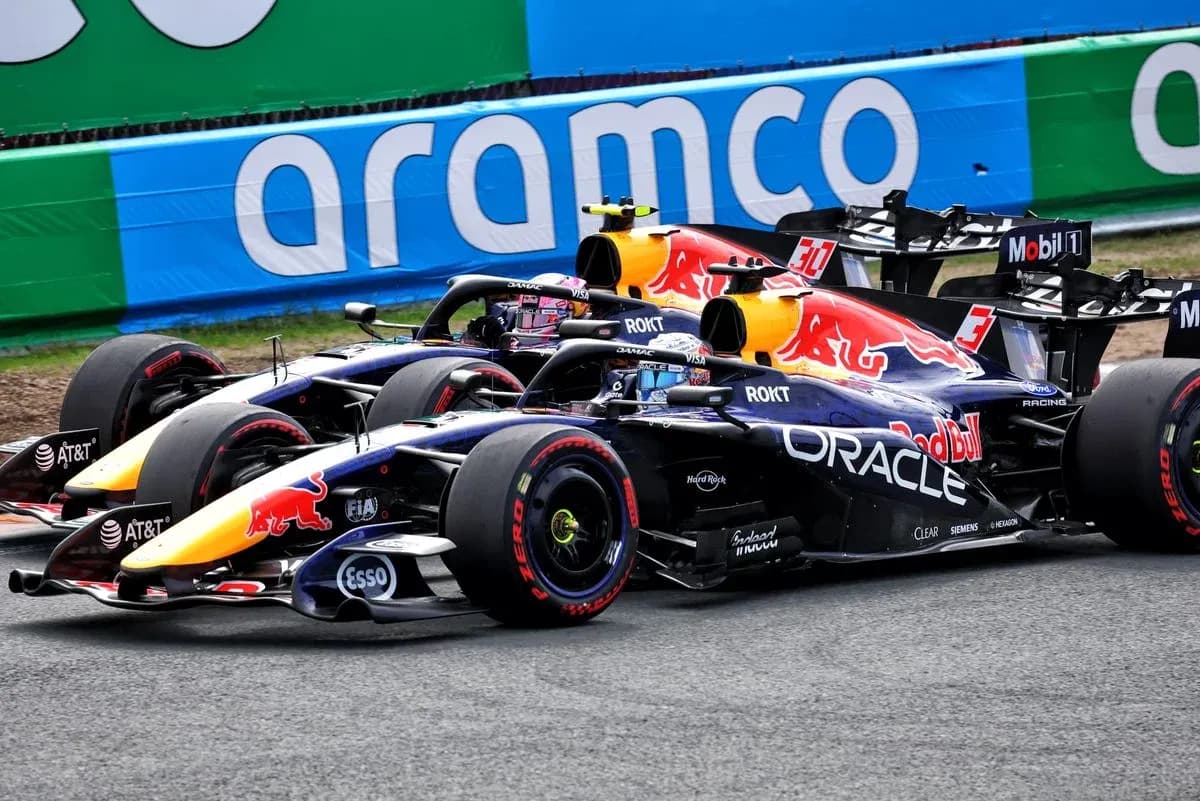
Formula 1 will trim the length of its grands prix from 305km to 290km from the 2027 season, a significant tweak to one of the sport’s long-standing pillars.
The move, confirmed by the FIA, cuts the maximum race distance by 15km – from 305km (189.5 miles) to 290km (180.2 miles) – as part of a wider reshaping of how race time and fuel use are managed in the next rules cycle.
Hard Stop Time to Replace Three-Hour Cap
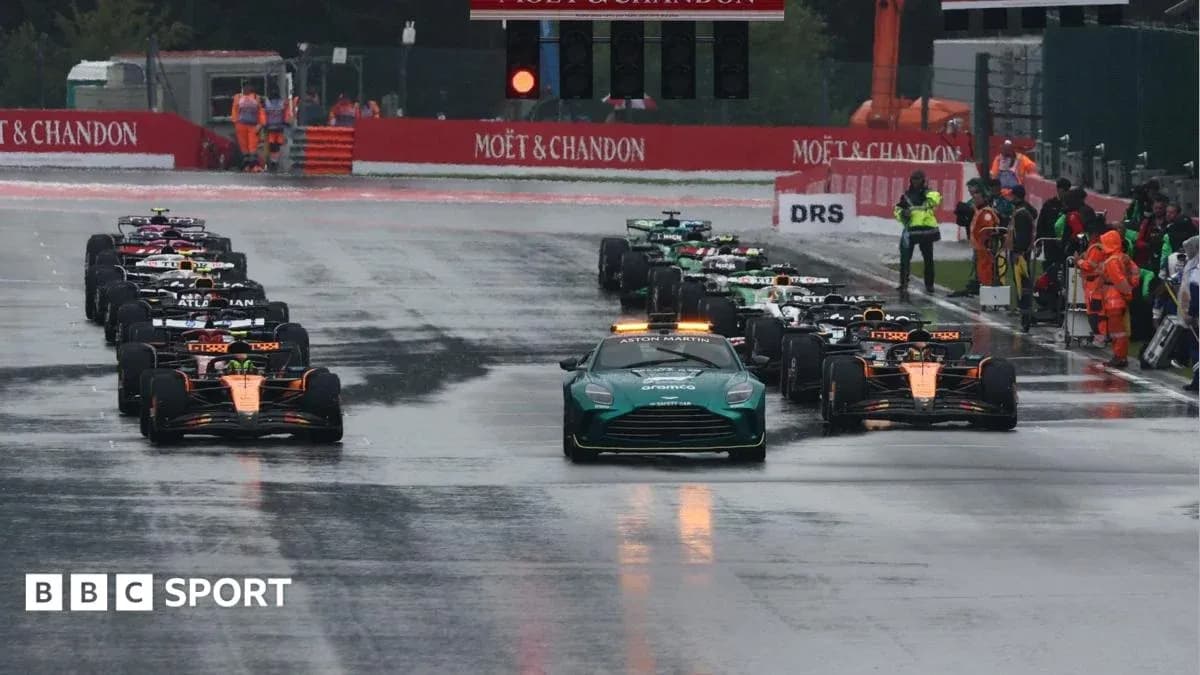
Races will still be capped at a maximum of two hours of green-flag running, but the way interruptions are handled will change sharply.
The current three-hour overall time limit, which includes stoppages for rain or accidents, will be replaced by a “hard stop time” that will draw a definitive line under any grand prix. Once that time is reached, the race is over.
The FIA framed the change in simple terms: it is designed to give fans a better chance of seeing a full race distance when chaos breaks out.
The hard stop will not be a one-size-fits-all figure. It will be set individually for each event, taking into account local conditions. Night races, for instance, will be able to run later under floodlights, while daytime events in venues with early sunsets will face tighter cut-offs.
The aim is clear: fewer damp squibs, fewer half-finished races, more predictable finishes for those in the grandstands and watching at home.
Fuel, Power Balance and the 290km Question
The reduction in race distance is not a cosmetic tweak. It is rooted in the next phase of F1’s power unit regulations.
The balance between internal combustion and electrical power is shifting. This season’s 53-47 split in favour of the combustion engine will move to 58-42 next year, and then to 60-40 in 2028. More combustion power means more fuel burned over the course of a race.
That change triggered an unexpected headache. Some teams signalled they wanted to carry over their existing chassis into next year to save costs. The fuel tank is integrated into the chassis, so its size is effectively locked in. No bigger tank, more fuel needed, same race distance – the maths did not look friendly.
The risk was obvious: teams persisting with older chassis might not have had enough fuel capacity to see out a full 305km grand prix under the new power ratio. The 290km cap eases that pressure, allowing those cars to reach the flag without forcing an expensive redesign.
Cost control, fuel strategy, and the sport’s hybrid philosophy all intersect in that 15km slice.
Practice Sessions Get Breathing Space
The F1 Commission – bringing together the teams, the FIA and commercial rights holder F1 – also signed off on a change to how practice is handled.
Free practice sessions will gain “greater flexibility to extend” when they are interrupted. At present, the clock keeps ticking under red flags in practice, unlike in qualifying and the race, where the session is suspended and time is effectively frozen.
That rule has often left teams short-changed, losing large chunks of valuable running to incidents or track repairs with no way to claw the time back.
Under the new approach, race control will have more scope to stretch practice to compensate for stoppages, giving teams a better chance to complete their programmes and gather data in an era when testing days are tightly rationed.
Shorter races, harder time limits, more adaptable practice: F1 is quietly reshaping the framework around its show. The question now is how those 15 lost kilometres will change the way teams attack a Sunday afternoon.