Formula One tears up the script again in 2027. More races, more sprints, more continents squeezed into a nine‑month stretch – and some famous circuits returning as others quietly disappear.
This is a calendar built for spectacle and strain in equal measure.
Sprints go big – Monaco joins the short-form show
The headline change is blunt: sprint races jump from six to 10. F1 has decided the experiment is over; this is now part of the main act.
Bahrain, Australia, Japan, Monaco and Abu Dhabi will stage sprint weekends for the first time. The format also returns to Montreal, Silverstone, Monza, São Paulo and Lusail, creating a spine of high-intensity weekends from March to December.
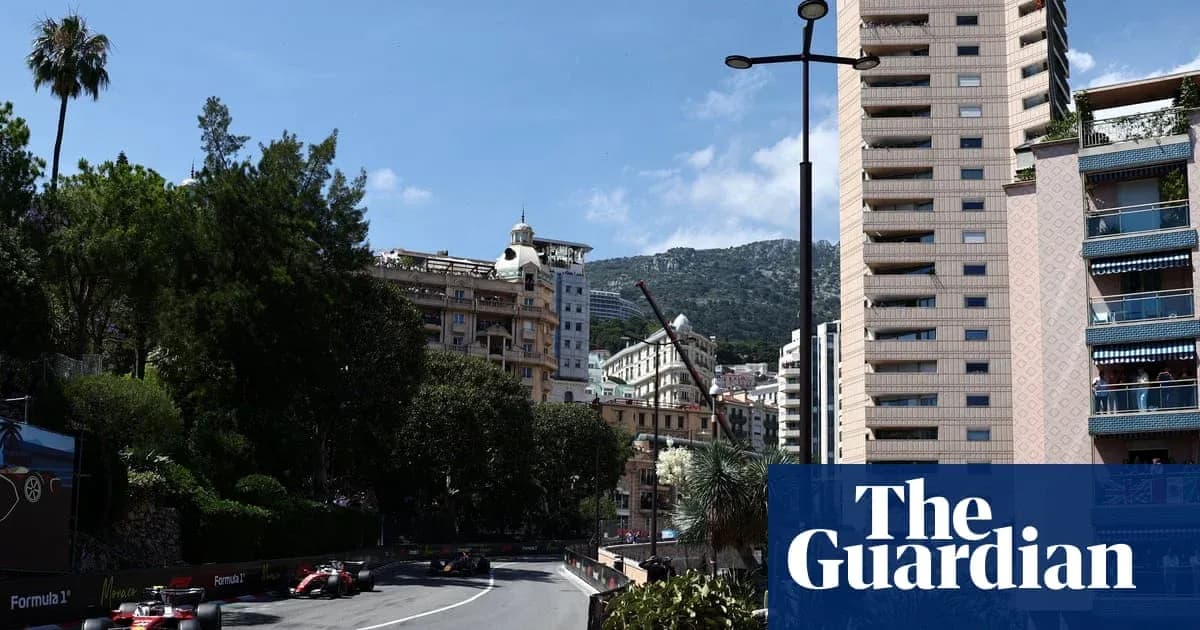
Monaco as a sprint venue is the most eye-catching shift. The principality, traditionally a slow-burn strategic race, will now carry a flat-out Saturday dash around its unforgiving streets. One mistake, one brush with the barrier, and a driver’s entire weekend could unravel before Sunday even begins.
F1 is doubling down on jeopardy.
Bahrain opens, Abu Dhabi closes – with Portugal and Turkey back
The 2027 season stretches to 24 grands prix, opening in Bahrain on 14 March and closing in Abu Dhabi on 12 December. The Middle East keeps all four of its established slots, underlining the region’s grip on both ends of the championship.
Between those bookends, two old friends return.
Portimão is back on 20 June. The Algarve circuit last appeared during the Covid-hit 2021 season, its rolling elevation changes and blind crests quickly winning praise from drivers and fans. Istanbul Park follows on 3 October, another pandemic stand‑in turned cult favourite, having previously hosted a regular race from 2005 to 2011. Its comeback restores one of the most flowing, driver‑friendly layouts on the calendar.
For a sport that often chases new city skylines, these are two returns that will be welcomed by the purists.
Barcelona drops out, Spa rotates, Zandvoort bows out
The price for expansion is paid elsewhere.
Barcelona, long a testing and race staple, disappears from the 2027 schedule. As planned, it will now rotate on alternate years with the Belgian Grand Prix at Spa. That compromise keeps Spa on the map while easing the pressure on a packed European summer.
Zandvoort, though, is gone. The Dutch Grand Prix was held for the last time this year, ending its recent revival. The orange walls of fans, the banking, the coastal setting – all of it exits just as it had re-established itself as one of the most distinctive weekends of the season.
F1 is not sentimental. It rarely has been.
Triple-headers test the limits
Three brutal triple-headers will define the rhythm – and the fatigue – of 2027.
April brings Australia, Japan and China in quick succession, a long-haul stretch that will push teams’ logistics and personnel hard across three time zones.
September into October delivers Azerbaijan, Turkey and Singapore, a mix of high-speed street racing and humid night‑time intensity. Then, in October-November, the Americas take over: the US, Mexico and Brazil form the final triple-header, a block that often shapes the title run-in.
One notable tweak sits in Las Vegas. Since joining the calendar, the Nevada race had formed part of a punishing back-to-back run with Qatar and Abu Dhabi at the end of the year. That sequence, unpopular inside the paddock, is broken. Vegas now enjoys a one-week gap before the season heads back to the Gulf.
It is a small concession in a calendar that still stretches human endurance.
War, contingency and a fragile status quo
All four Middle Eastern races keep their “normal” slots on the 2027 schedule, and F1 insists this season’s calendar remains unchanged for now. Qatar and Abu Dhabi are still due to close out the current championship.
Reality, though, has already intruded. The Bahrain and Saudi Arabian grands prix scheduled for April this year were called off because of the war in the Middle East. Bahrain’s race has been relocated to Malaysia in October, a reminder that even the most carefully crafted calendar can shift overnight.
There has been no formal announcement of contingency plans for 2027, but alternatives are already under discussion if the situation demands it. For this season, Imola is expected to step in and host the finale in December if Qatar and Abu Dhabi are cancelled.
The calendar looks firm. It is anything but guaranteed.
Domenicali’s vision of a global powerhouse
For Stefano Domenicali, this is what a modern F1 should look like: relentless, global, always on.
“Formula One continues to go from strength-to-strength, attracting new audiences around the globe,” the F1 CEO said, framing the 2027 schedule as proof of the sport’s reach. Week after week, the grid will move from Bahrain’s desert to Monaco’s harbour, from Portimão’s cliffs to Istanbul’s sweeping Turn 8, and on to the floodlights of Abu Dhabi.
Twenty-four races. Ten sprints. Three triple-headers. Old circuits revived, others sacrificed.
The question now is simple: can the sport’s stars and teams keep pace with the calendar that claims to showcase them?