The son of a rag-and-bone man from Barton Hill, Bristol, still has to remind himself it really happened.
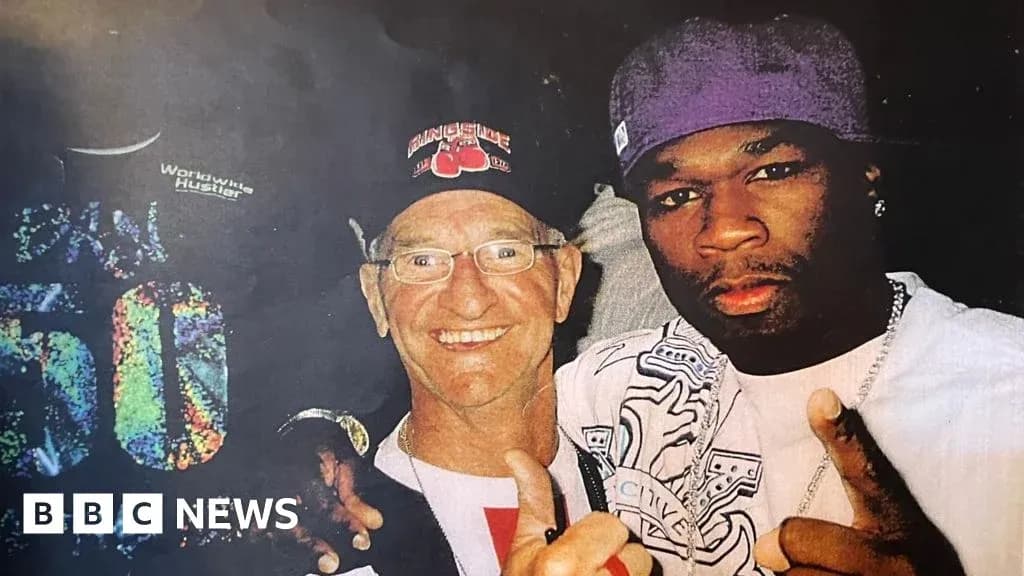
“Being the son of a rag-and-bone man, I had to pinch myself being among all these superstars,” says Fred Little, now 90, a man who spent a lifetime on the edge of the spotlight, making sure the show could go on.
He never threw a punch for a title. He never walked into the ring with his name in lights. Yet for decades, some of the biggest nights in professional boxing passed under his watchful eye. Tyson Fury. Frank Bruno. Ricky Hatton. Fred was there, not in the posters, but in the small print that keeps fighters safe and arenas in order.
From bombed-out Bristol to the boxing board
Fred’s story starts a long way from Las Vegas. His childhood unfolded under the shadow of World War Two, the Bristol skies lit not by ring lights but by burning aircraft.
“We used to run down the street with airplanes on fire and bombs hitting houses,” he recalls. “We'd go to a communal air raid shelter and everyone's crying and screaming, it was terrible.”
Those nights carved a certain toughness into him. Not the bravado of a fighter, but the resilience of someone who has seen chaos up close and learned to stand his ground.
When the war ended, Fred didn’t drift into sport straight away. He became a welder, taking on harsh, dangerous work on oil rigs around the world. One posting took him to the Piper Alpha platform off Aberdeen, a place he knew well before the 1988 disaster that claimed 167 lives.
“I was inconsolable,” he says quietly. “I knew quite a lot of those blokes.”
That loss stayed with him. It sharpened his sense of responsibility, something that would later define his work in boxing.
Football in America, then ringside in Britain
Fred’s career path never followed a straight line. After his time offshore, football carried him across the Atlantic. He led a team from St Pauls in Bristol to victory in a soccer tournament, a success that opened an unexpected door.
The United States called. He spent five years there coaching football, swapping the grey skies of home for a new life on the road, chasing results and building teams in a different sporting culture.
Yet it was boxing that would finally anchor his name.
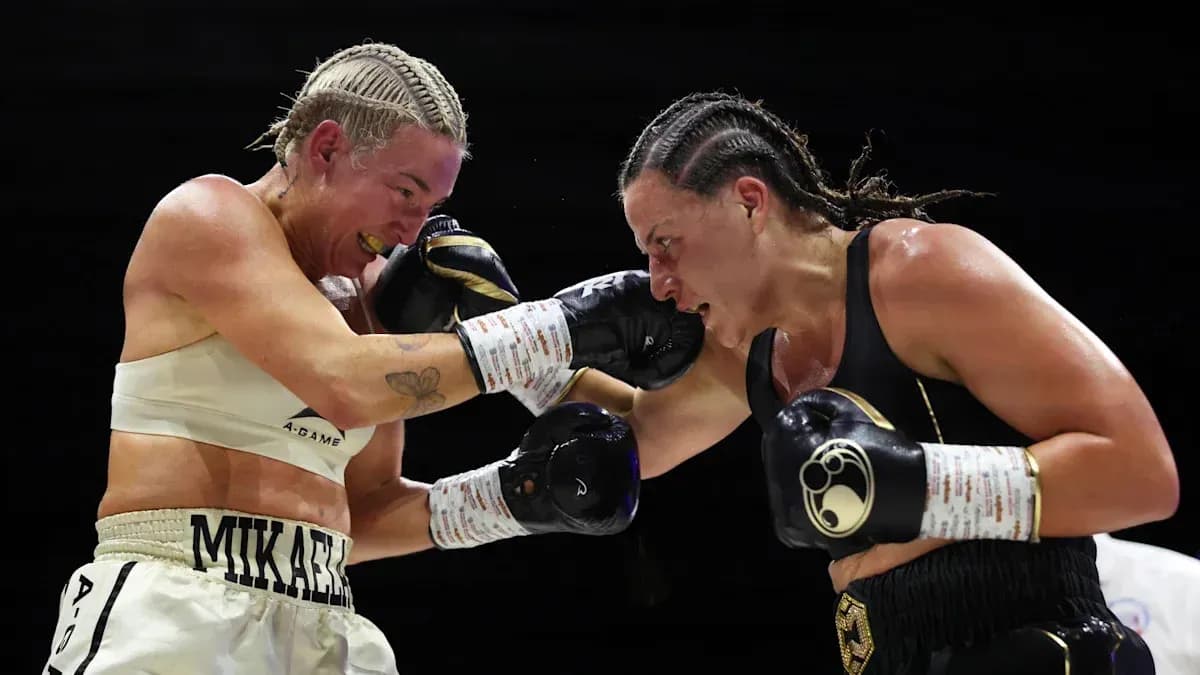
He rose through the ranks to become chief inspector for the British Boxing Board of Control, a role that put him at the heart of the sport’s most pressurised environments. His job was not glamorous, but it was vital. He oversaw gloves and ring preparations, checked security, enforced safety regulations and ensured medical and ambulance provisions were in place.
On fight night, when the cameras panned across the ring and the crowd roared for the main event, Fred was one of the unseen reasons everyone could focus on the boxing.
A night in Las Vegas
Among all the arenas and all the bouts, one memory stands apart.
Las Vegas. Roy Jones Jr against Antonio Tarver.
Fred was there, part of the machinery behind a world-title spectacle in the desert. He has been around enough big events not to be easily impressed, but that night stayed with him. The lights, the noise, the sense that the whole sport had converged on one ring.
He called the atmosphere “unbelievable”.
For a man who grew up running to air raid shelters, to find himself ringside in Vegas watching one of the era’s great fighters was more than just a career highlight. It was a measure of the distance he had travelled.
Guarding the stars, on stage and off
Boxing wasn’t the only world that came to trust him. Fred also worked in security for some of the biggest names in entertainment. Tom Jones. Shirley Bassey. UB40. Different stages, same principle: keep people safe, keep the event under control.
One night, singer Elaine Paige went a step further. During a performance of “Memories”, she dedicated the song to him. For a man used to standing in the shadows, it was a rare moment in the spotlight.
Looking back across it all – the bombs, the rigs, the football, the fights, the stars – Fred’s verdict is simple.
“I've had the most amazing life, I've done everything you can think of.”
A familiar face, a simple epitaph
In Bristol, he’s more than just a name in boxing circles. He’s part of the city’s fabric.
His daughter, Charlotte Maggs, sees it every day.
“He is a very familiar face around Bristol and is hugely respected within the community and by the many people he has met throughout his life,” she says.
Respect hasn’t come without scares. Charlotte remembers the moments when that remarkable life almost stopped.
“Over the years, he has battled numerous health problems, including suffering a cardiac arrest, which left our family fearing that we had nearly lost him.”
Yet here he is at 90, still telling stories, still pinching himself at the memories.
For a man who spent his working life checking details, his final wish is stripped of all complication. No long inscription. No list of achievements. Just a single line that sums up everything from wartime Bristol to world-title nights.
“When I'm gone, on my headstone just put: ‘I have lived’.”