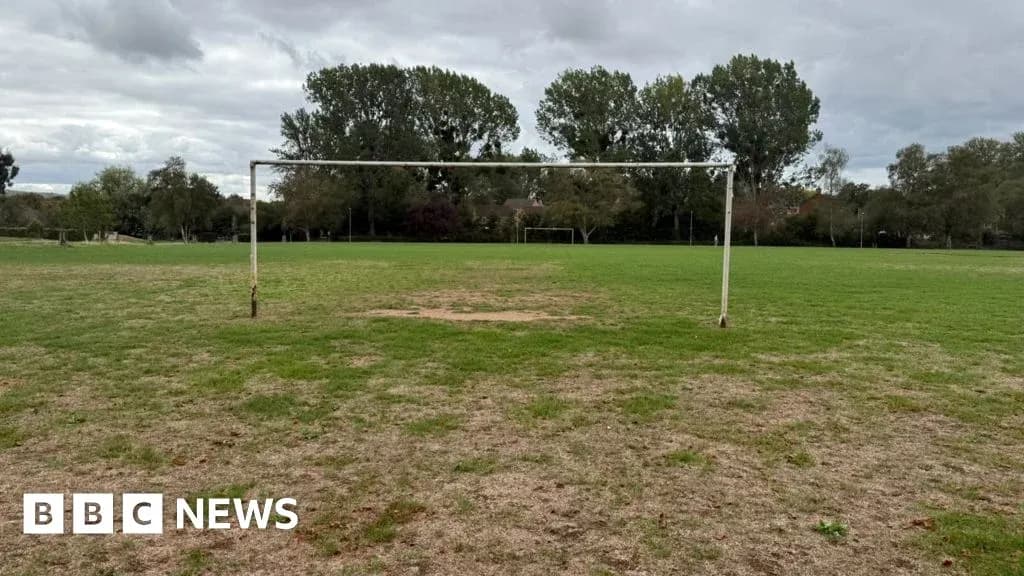
On the professional stage, pristine surfaces are taken for granted. At grassroots level, they are now in danger of disappearing.
In Taunton, a long, punishing spell of extreme heat has pushed local football to what one expert calls “breaking point”, with council-owned pitches closed and clubs scrambling for somewhere—anywhere—to play.
Taunton Town Council has shut its sports pitches, saying the move is necessary to “protect the long-term quality and sustainability of the facilities” and to safeguard player safety. Extended drought has stripped back grass cover and baked the soil into something closer to concrete than turf.
Council inspections, a spokesperson explained, showed that if play continued now, the damage could ruin the surfaces for the rest of the season. The grass, they insist, is “showing signs of recovery” but remains “under considerable stress” and needs more time before regular fixtures can return.
For those who live their weekends on these fields, that time is a luxury they do not have.
Paul Coltman, a football consultant working with the affected clubs, painted a stark picture. Local football, he said, was already stretched before the heatwave scorched the pitches.
“We're already close to breaking point with more teams than we have pitches,” Coltman said.
With several surfaces now out of action, the remaining playable grounds face a heavy overload. “Those pitches that are still usable will now have more games on them which means the knock-on effect is huge.”
This isn’t just about league fixtures. Training sessions, youth football, and informal kickabouts all compete for the same shrinking space. The community game, built on routine and reliability, suddenly has neither.
Coltman did not blame the weather alone. He described the current crisis as the culmination of “years of neglect and poor maintenance”, with the heat simply exposing and accelerating existing problems. The drought has hardened pitches already in decline, turning warning signs into full-blown closures.
The human cost sits away from the headlines: volunteers, coaches, and parents now forced into late-night phone calls and frantic emails, trying to salvage match schedules and training plans. “This is a huge impact on local football and a massive drain on an already shrinking volunteer base,” Coltman said.
Clubs now face a logistical jigsaw. “Those clubs are now going to need to work together to find alternative venues,” he warned. That could mean longer travel, shared facilities, reduced training slots, or lost fixtures altogether.
And there is no quick fix on the horizon. “This isn't going to go away quickly by the sound of things,” Coltman added, underlining the fear that this is not a one-week postponement but a rolling disruption that could define the season.
The council insists it is monitoring the situation closely. “The pitches are being inspected regularly and the situation is reviewed on a week-by-week basis,” its spokesperson said. Each inspection brings hope of a return, but also the risk of another delay.
For now, grassroots football in Taunton stands on fragile ground—quite literally. The question is no longer just when the pitches will reopen, but how long the local game can absorb the strain before something gives.