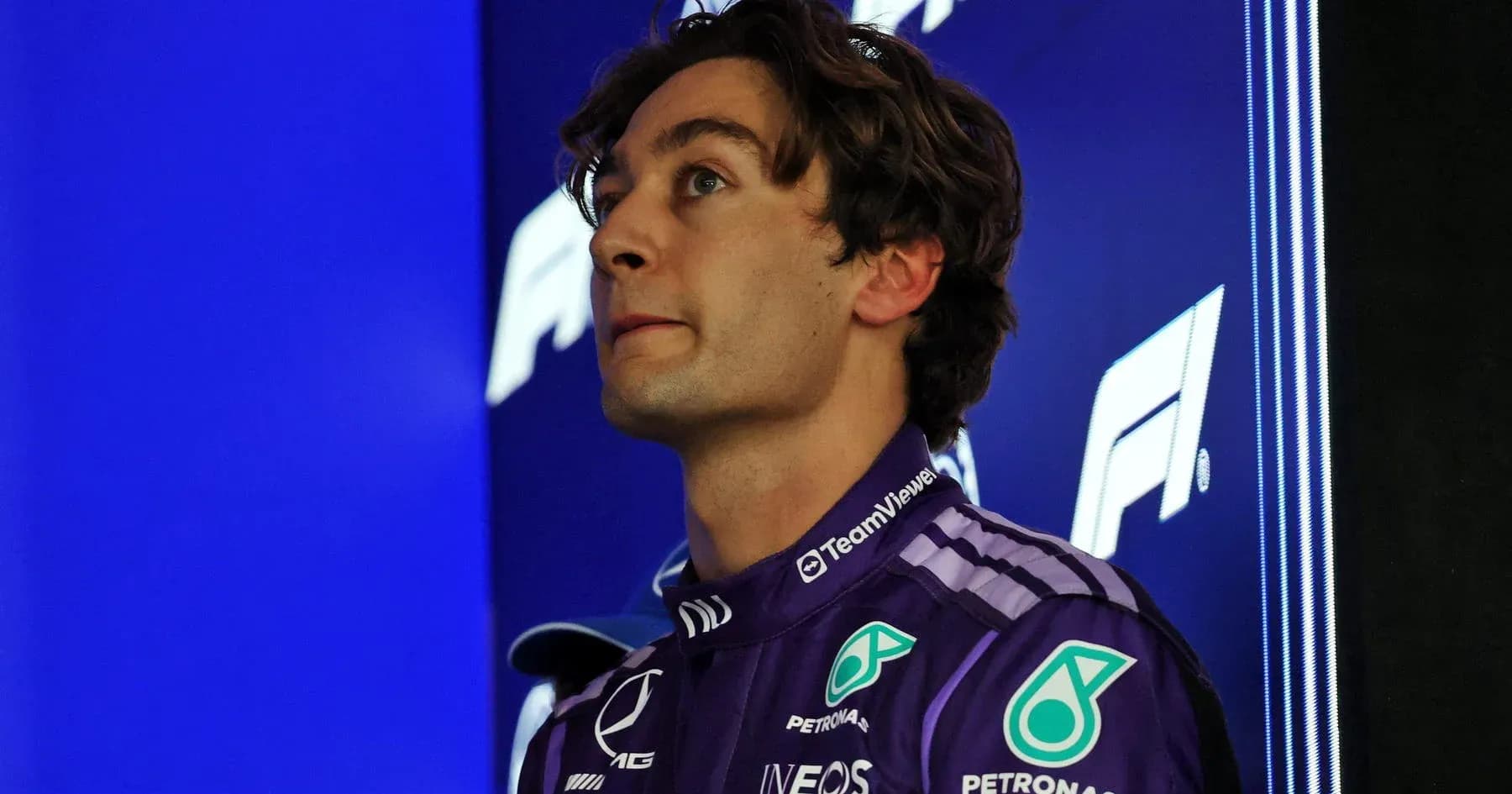
Guenther Steiner has seen enough. From the team pit walls to the chaos of Drive to Survive, the former Haas boss has watched drivers come and go, hyped talents burn out and quiet operators quietly excel. Liam Lawson, he believes, belongs firmly in the second category.
In Steiner’s eyes, the Kiwi has everything required to become a Formula 1 world champion – provided someone gives him the machinery.
Speaking after the Mexico Grand Prix, where Lawson carved his way from the back of the grid to finish ninth on track and seventh after penalties, Steiner didn’t hesitate when asked about the 24‑year‑old’s ceiling.
“In the right car, he can be,” Steiner said when asked if Lawson could be world champion. The caveat was clear, and so was the subtext: talent alone doesn’t do it in modern Formula 1.
He needs to make his own way
Lawson’s future remains a live topic in the paddock. His current team, Racing Bulls, has yet to confirm whether it will extend his deal through to 2027, and his path inside the Red Bull system looks congested.
Steiner, who spent a decade steering Haas through the sport’s political and competitive minefield, expects Racing Bulls to keep him. But he doesn’t see Lawson’s long‑term destiny in Red Bull colours.
“I think his promotion back to the Red Bull team from Racing Bulls, I don’t think that will happen,” Steiner admitted, cutting through the usual junior‑programme optimism.
For Steiner, the route to the top step of the sport runs away from the Red Bull family, not deeper into it. Lawson, he argues, must eventually break out and bet on himself.
“He has shown in this moment he can do a very good job with Racing Bulls, who are not in the top four teams,” Steiner said. The implication is brutal but fair: staying in a midfield car won’t turn potential into titles.
“He has shown he can do a good job, but now he needs to be in one of the top four teams.”
Proving it on Sundays
Lawson has done his best to force that conversation with his driving.
In Mexico, he turned a back‑row start into points, managing tyres, traffic and pressure with the composure of a veteran. That drive alone strengthened his case, but the Brazilian Grand Prix a week later made ignoring him even harder.
At Interlagos, Lawson stuck his Racing Bulls third on the grid in qualifying, splitting heavyweight machinery and dropping a marker on Saturday. When the lights went out, he went on the attack.
He launched cleanly, beat McLaren’s Lando Norris off the line and briefly ran second, hunting down reigning world champion Kimi Antonelli. For a handful of laps, a Racing Bulls was the car giving chase to the sport’s benchmark.
Reality eventually bit. As the race settled, faster cars from the established giants reeled him in and moved ahead. Lawson slipped back to eighth at the flag, but the story didn’t end there.
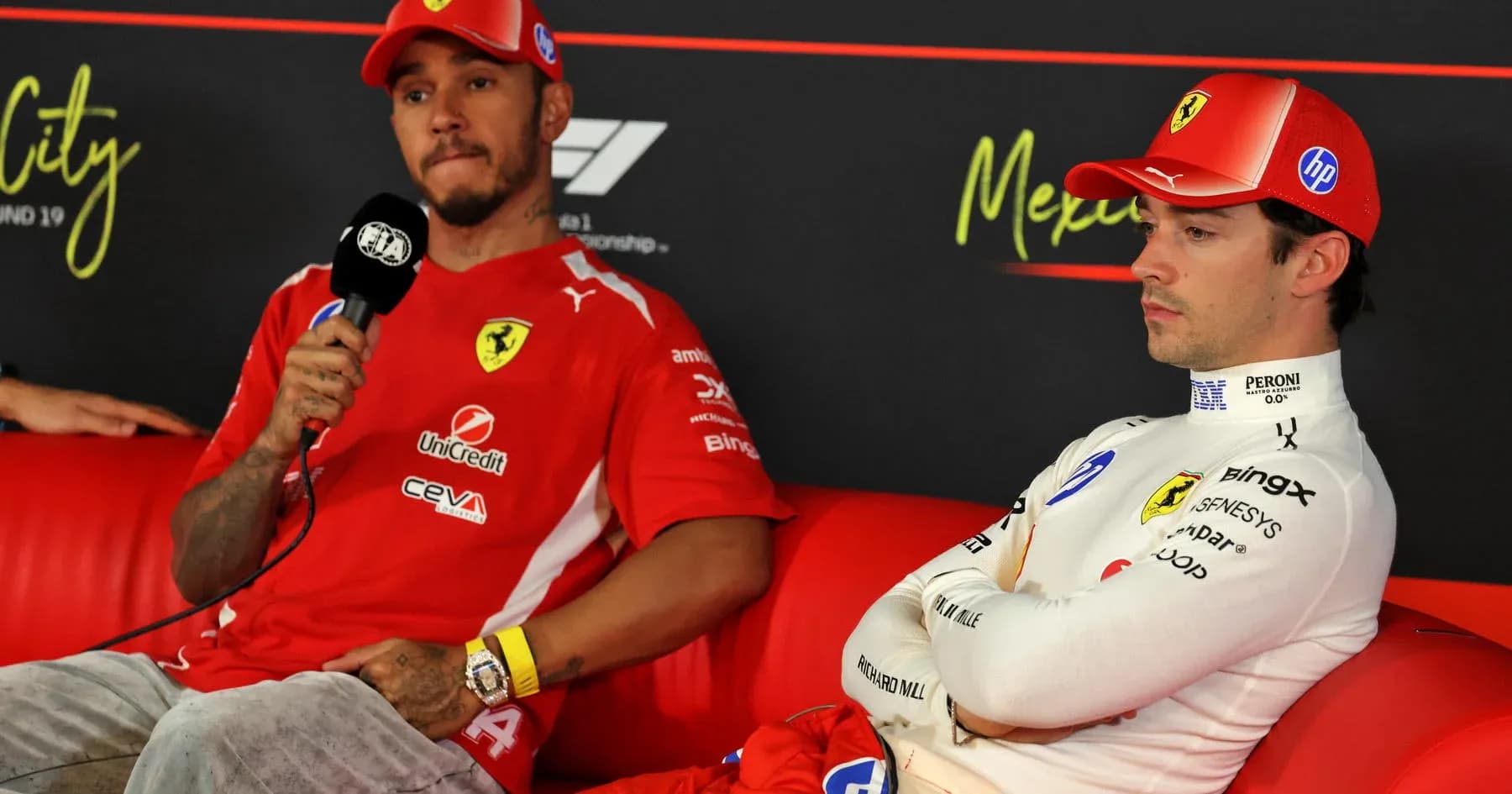
A penalty for Ferrari’s Charles Leclerc, who clipped Lawson’s wheel during an overtake attempt, promoted the New Zealander to seventh. Another top‑10 finish. Another afternoon where he mixed it with Ferraris, McLarens and Mercedes in a car that, on paper, shouldn’t live in that company.
Enjoying the fight
Lawson, for his part, sounded like a driver relishing the chance to show exactly why people like Steiner are talking about him in such lofty terms.
Following the race in Brazil, he kept it simple.
“Good fun,” he said of the battle. No drama, no grandstanding. Just a driver enjoying the rare luxury of a well‑balanced car and the opportunity to fight.
“[I’m] just trying to enjoy driving at the moment, the car is in a great place,” Lawson added. “The fact that we’re fighting the Ferraris, McLarens, and Mercedes at different points in the race today is obviously cool.”
That’s the hook for any top‑four team watching: give him a platform, and he’ll race anyone.
The window of opportunity
Steiner’s assessment of Lawson came with an important dose of realism. Formula 1 is stacked with talent right now. “There are a lot of them with similar talent to him at the moment in Formula 1,” he noted.
That’s the challenge. Being “good enough” isn’t enough. Timing, luck and the right contract at the right moment matter as much as lap time.
“When you get in the right team at the right place at the right time, he could achieve it,” Steiner said. It’s the familiar equation: a top‑tier driver plus a top‑tier car equals title shots. Without that combination, the ceiling drops fast.
For now, Lawson’s job is to keep making that ceiling look too low for him.
He’ll get another chance to do exactly that on November 20, when he returns to the cockpit for first practice at the Las Vegas Grand Prix. Under the lights, on a street circuit built for spectacle, the sport’s next contract decisions will be lurking in every garage.
Lawson has made his case on track. The question now is simple: which top‑four team is brave enough to bet a championship future on him?