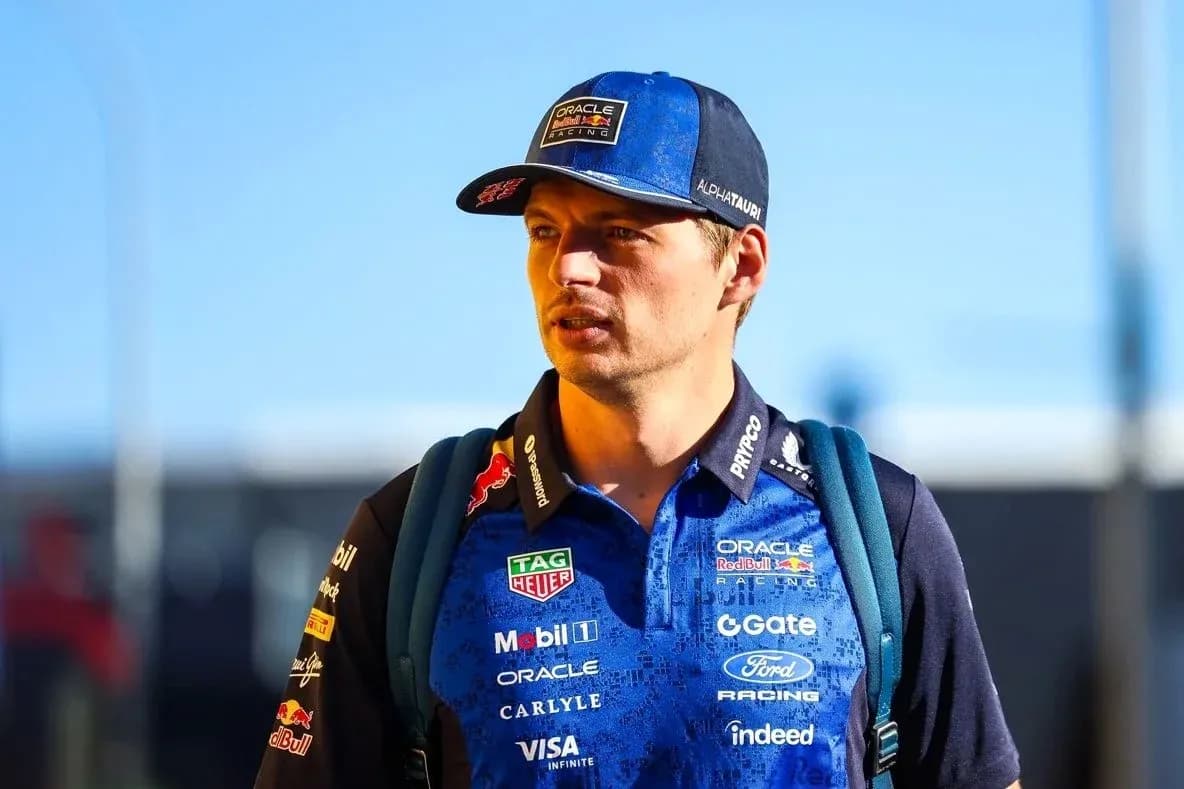
Guenther Steiner has never been one for soft landings. Now the former Haas team principal has aimed both barrels at Max Verstappen’s 2026 campaign, predicting the four-time world champion will go winless next season.
On The Red Flags Podcast, Steiner was asked in the show’s ‘Gas or Brake’ segment whether Verstappen would reach the end of 2026 without a grand prix victory. He didn’t hesitate.
“Gas, he will not,” Steiner said. “Mercedes and McLaren are too strong, and it's just the car. He's not good enough. He will be Super Max, he will be on the podium, but I think that's the limit. That's the limit of that car.”
It’s a brutal assessment of both driver and machinery, and it lands at a moment when Verstappen’s aura of inevitability has already been badly dented.
From Dominance to Damage Limitation
Verstappen sits only sixth in the standings on 145 points, a long way — 147 points — behind championship leader Kimi Antonelli. This is a very different landscape to the one he once ruled.
The Dutchman’s season so far has been built on salvage jobs rather than statement wins. His best results in 2026: three second places, in Austria, Hungary and Spain. No victories. No sense of a Red Bull juggernaut. Just a driver of rare quality trying to drag a blunt weapon into a fight against sharper tools.
Spain underlined the new reality.
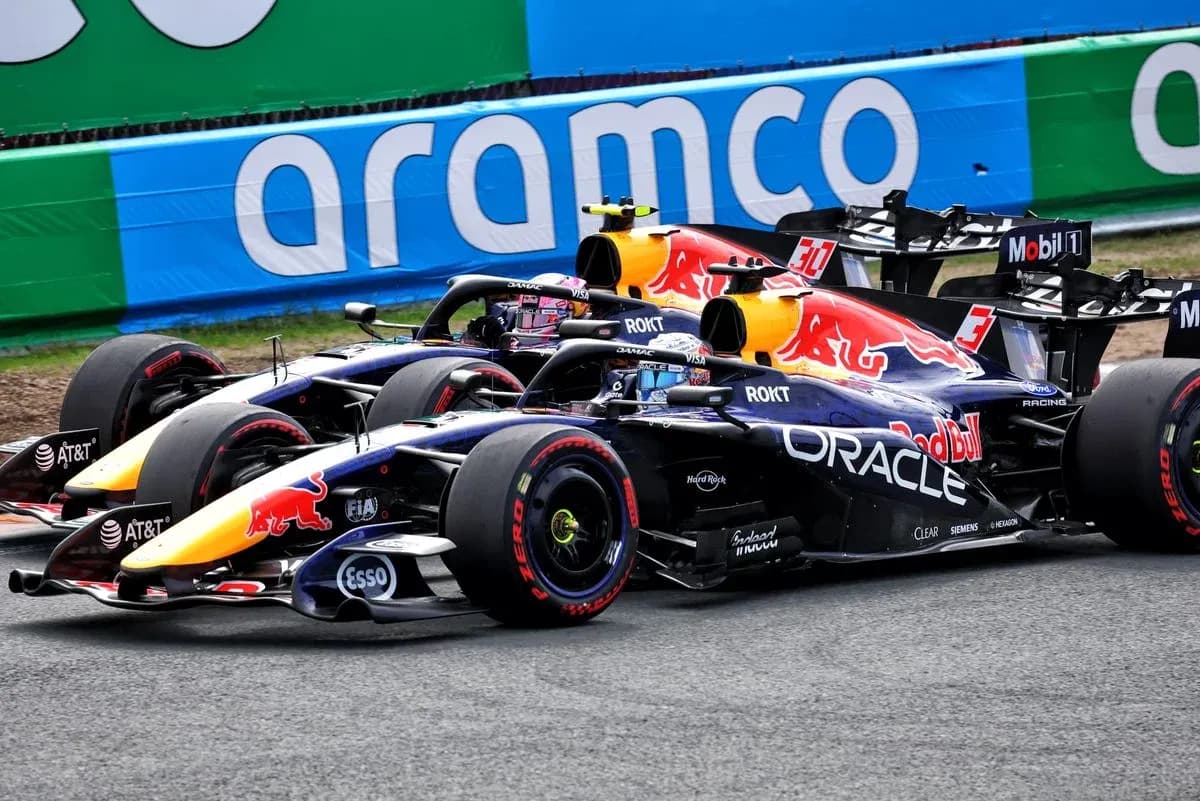
In Madrid, Verstappen did what champions do when the car won’t. He pounced. Polesitter Lando Norris saw his race unravel with an ill-timed virtual safety car and a slow pitstop. Verstappen slipped through the gap and grabbed track position on a circuit where overtaking bordered on impossible.
From there, he defended, managed, survived. Second place, ahead of Norris, felt like the ceiling rather than a missed opportunity.
Verstappen Admits the Gap
Speaking to Sky Sports after the race, Verstappen didn’t try to dress it up.
“It's just looking at the lap times, we are quite a bit down still,” he said. “It's a mix of a lot of things, for sure maybe a little bit of deployment, but also the car itself that we still need to improve on, because when Lando was behind me he was flying. He was a lot faster, but just because of the nature of the track he couldn't get by.”
That line — “he was flying” — cuts to the heart of Steiner’s argument. Verstappen is still Verstappen. The instincts, the racecraft, the relentlessness are intact. The problem, in Steiner’s eyes, is that the Red Bull package has slipped behind the new power axis of Mercedes and McLaren, and it’s not coming back quickly enough.
When the car is this far off, even “Super Max” has a ceiling.
A Stark Forecast
Steiner’s prediction is stark: podiums, yes; wins, no. In a sport where tiny gains can flip a narrative in weeks, calling an entire season winless for a driver of Verstappen’s calibre is a bold line to draw.
But the evidence on track backs the severity of his tone. Verstappen’s second places have come with caveats — fortune in strategy, track layouts that protect track position, rivals tripping over their own feet. When the races open up and raw pace decides the order, Mercedes and McLaren stretch away.
The stopwatch doesn’t lie, and Verstappen knows it. His own post-race assessment in Spain sounded less like frustration and more like resignation to the current hierarchy.
Baku and Beyond
The calendar rolls on. Round 15 of the 2026 season, the Azerbaijan Grand Prix, is set for 24-26 September at the Baku City Circuit, a place where chaos usually offers opportunity to the brave and the ruthless.
On streets that punish mistakes and reward nerve, Verstappen will get another shot at defying the narrative that’s forming around him and this Red Bull.
Steiner doesn’t think he will. The question now is whether Verstappen can bend a stubborn season to his will, or whether 2026 becomes the year a four-time champion spends 24 races chasing a win that never comes.