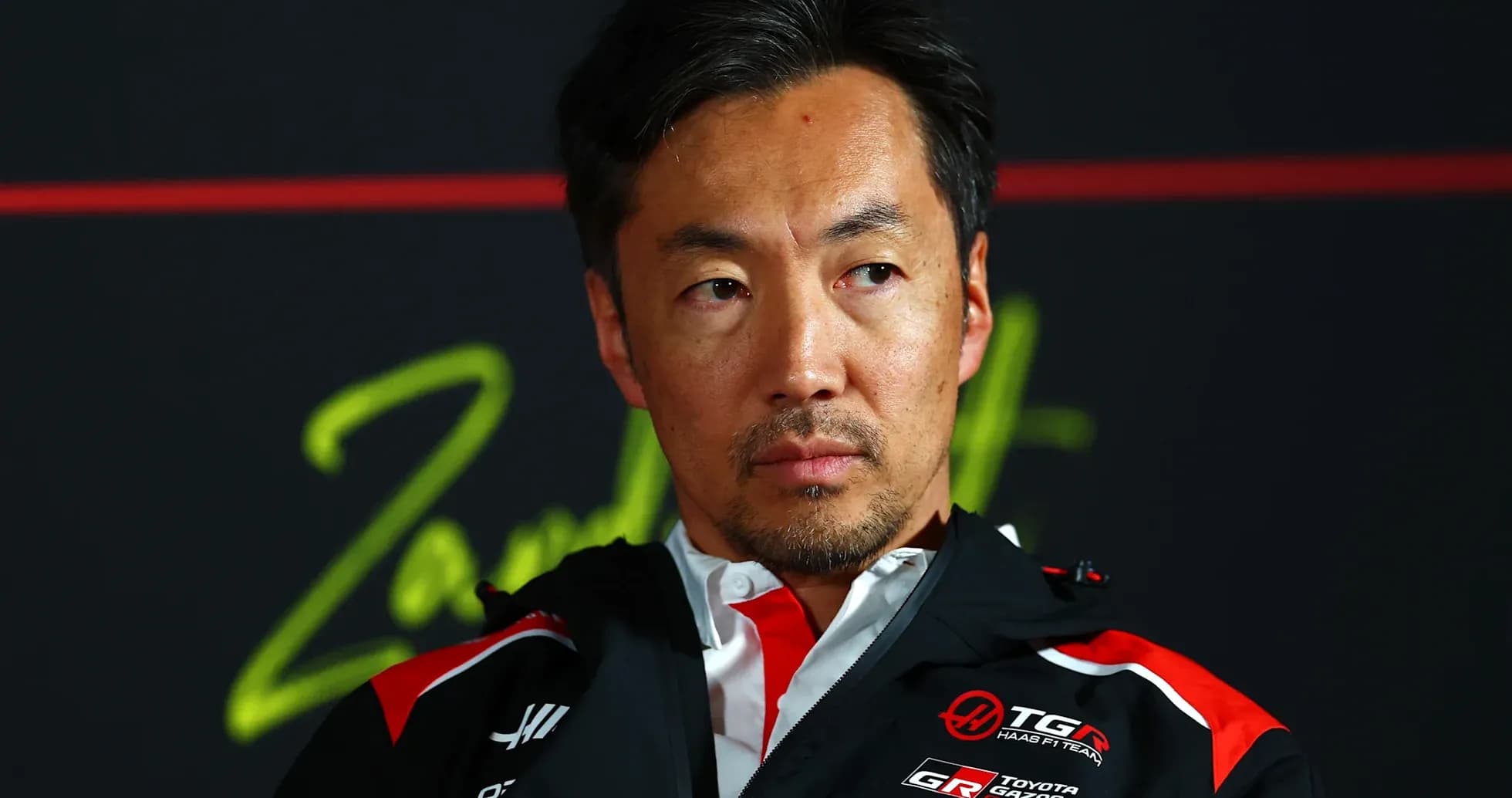
Ayao Komatsu is in no mood to be rushed.
While the rest of the paddock speculates about who will sit in the Haas cockpit in 2027, the Team Principal is staring at a more immediate problem: a car that has stopped scoring points, two frustrated drivers, and a development race his small team is losing by the week.
Driver market on hold as Haas firefights
Haas have gone six races without a single point. That run has dragged them from early-season surprise to familiar midfield strugglers, their bright start fading almost as quickly as it arrived.
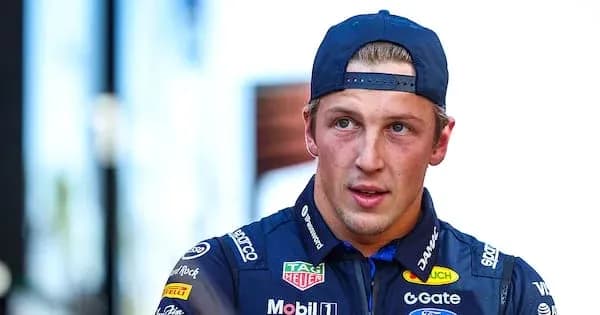
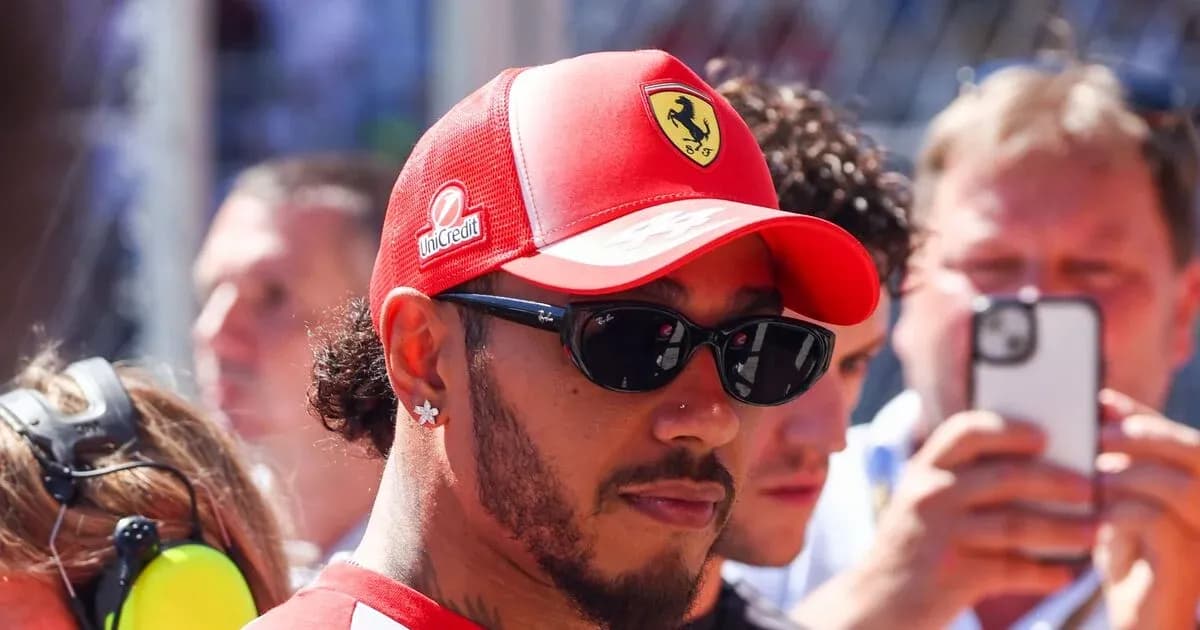
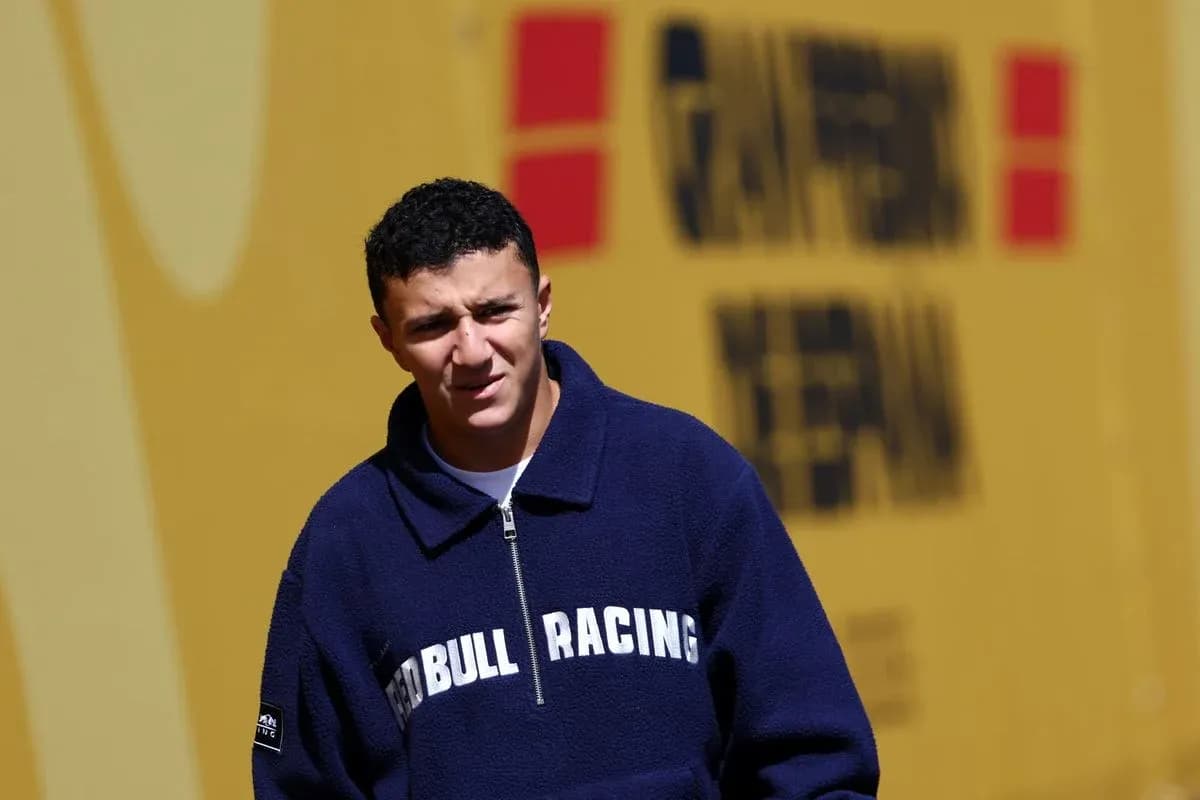
At the heart of the uncertainty sits their driver line-up. Neither Ollie Bearman nor Esteban Ocon is locked in for 2027. The paddock noise suggests Bearman is the likelier of the two to stay, with Rafael Camara and Yuki Tsunoda lurking as potential options if Haas choose a reset.
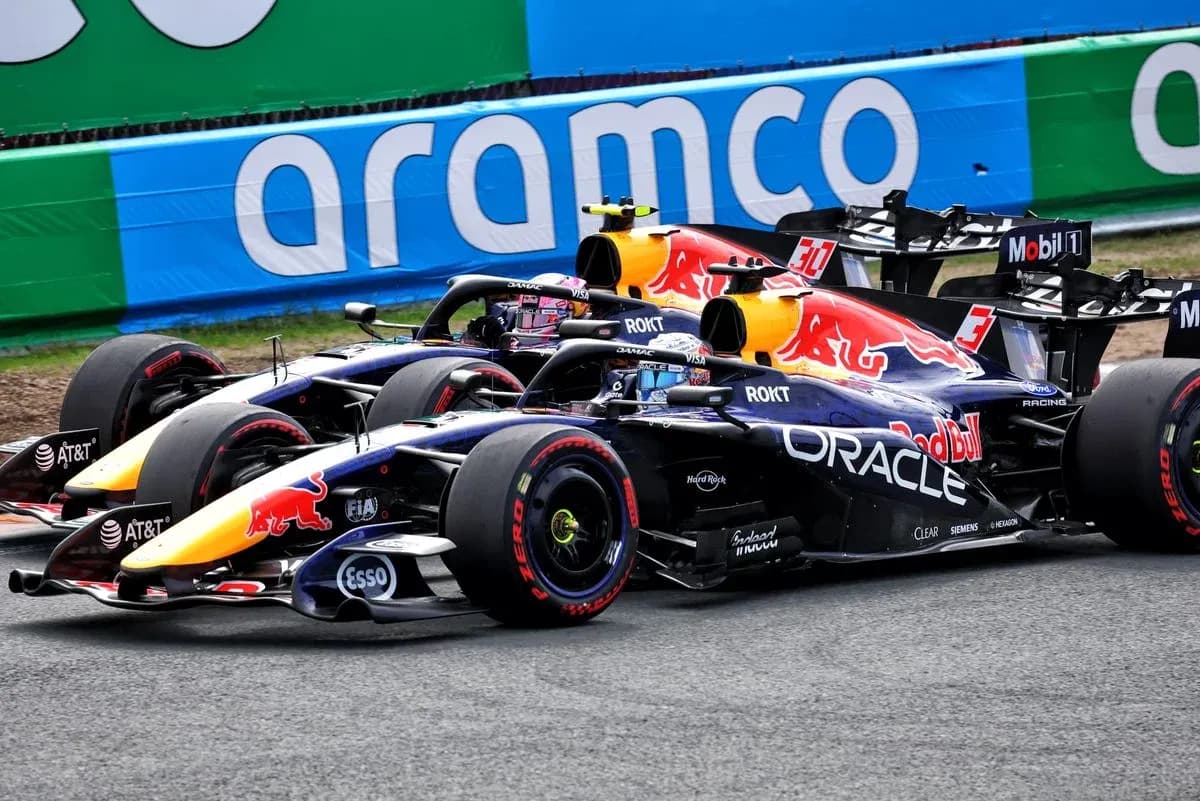
Komatsu, though, is refusing to be drawn. Ahead of a bruising Dutch Grand Prix that ended in a double DNF, he made his stance clear.
“We’re not in any rush,” he said. “We’re focused on our two drivers, Ollie and Esteban, trying to get the best out of them. They’ve got the tough challenge, right?
You know what they’re capable of. You know, Ollie has shown it repeatedly. Esteban, when he is happy with the car, you know what he can do.”
The message is obvious: the shop window is open, but the product needs improving first.
Bearman leads the points, but not the story
On paper, Bearman is winning the internal battle. The rookie sits on 18 points, Ocon on three. It looks like a rout.
Inside the garage, the picture feels more complicated. Bearman himself has downplayed the gap, pointing to “inconsistency” between the parts and packages on each car across the season. The numbers favour him, but he does not see them as the full truth of the duel.
Komatsu’s focus is less on the scoreboard and more on the tools he is giving his drivers.
“We need to really just focus on providing them with the best possible car, best set-up adaptation, and get the best out of them,” he said. “And then both of our drivers are fully focused.”
Right now, that “best possible car” is not good enough.
Outgunned in F1’s biggest rules reset
Haas started the year with a jolt. Bearman’s P5 in China felt like a statement: the smallest team on the grid had nailed the new regulations better than anyone expected.
That high has not lasted.
“This is the biggest regulation change ever,” Komatsu said. “So us being the smallest team, we expect that we’re going to really be struggling to keep up with the other big boys in the development race.
“We started the season extremely well, much better than anyone can think of, and then from that moment I think that’s the reality. With our constraints, we’re trying to develop the car as fast as possible, but the other guys are putting performance on the car faster than us. That’s the reality.”
Racing Bulls and Alpine, once within reach, have pulled clear. Compared to last season, Haas have slipped backwards relative to their direct rivals, and the development curve has bent the wrong way.
Komatsu is quick to shield his staff.
“To be fair, honestly, it’s nothing against the guys in the team – they’re doing a fantastic job, they’re working together, and then for us to have a chance to keep up with the other guys, everything has to be perfect, right? Everything. In life, that’s not something you can ask for all the time.”
Perfection is a luxury Haas cannot afford. Consistent progress, however, is non-negotiable.
No blame, no shortcuts
Inside the team, the response has been to close ranks, not point fingers.
“I really do think I need to provide them with a better environment, facilitate it, so that they can show what they’re capable of. I’m sure of that,” Komatsu said. “But the good thing is those tough times show the character, right? And then there’s no blame culture.”
The technical debriefs have turned into a forensic audit of where the car is lacking.
“We looked at the problem: what’s the issue, where are we lacking downforce, why the drivability is not great, what are the drivers struggling with? We’re all on the same page, trying to fix the issue, trying to put performance on the car. But of course, again, that takes time.
“Lots of things we’re putting in place will take time for it to materialise, but we’ve just got to believe in ourselves, the teamwork, support each other, and we’ll get through it like we did the last two years.”
So the driver market waits. Bearman, the rookie revelation with 18 points, and Ocon, the proven race winner stuck on three, must fight with what they have while Haas scramble to give them more.
The question is simple and brutal: in a rules era defined by relentless development, how long can the smallest team afford to take its time?