Three Hall of Famers, Ten Battles, 109 Rounds: The Lost Rivalry That Shaped Lightweight Boxing
The Forgotten Trio Who Defined Lightweight Boxing in the 1940s and 1950s
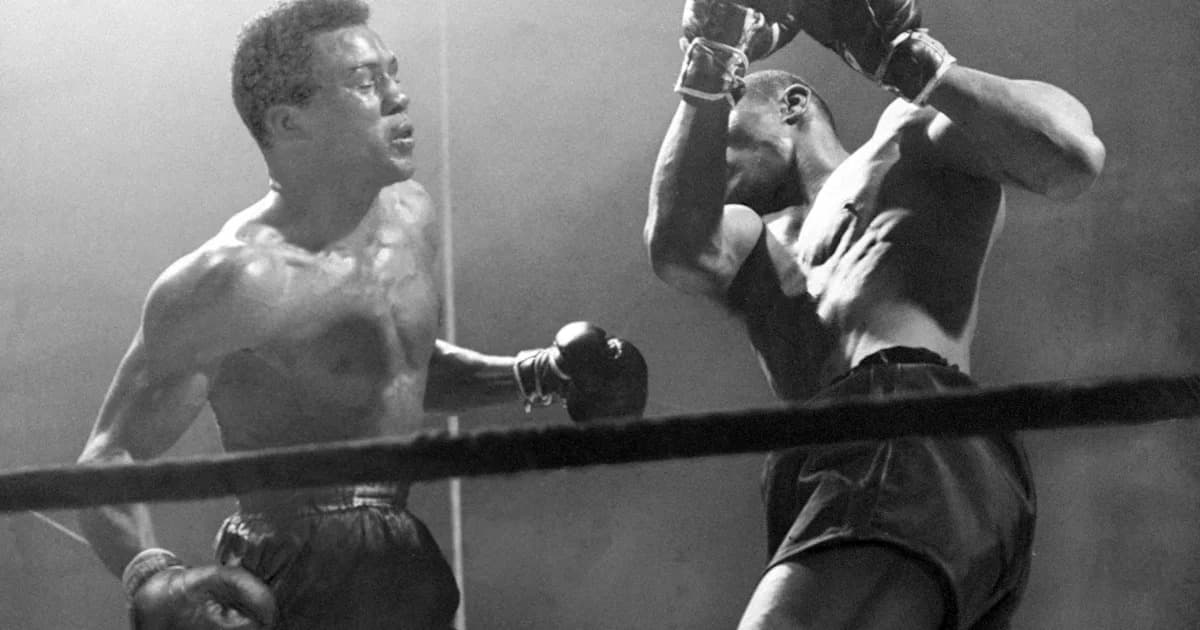
In a bygone era, the lightweight division was dominated by three future Hall of Famers who repeatedly faced each other with unmatched intensity. Bob Montgomery, Beau Jack, and Ike Williams clashed ten times over 12 years, delivering 109 rounds of fierce competition that captivated boxing fans across America.
The Modern Comparison Falls Short
Recently, much attention surrounded four young lightweights—Ryan Garcia, Gervonta Davis, Teofimo Lopez, and Devin Haney—touted as the next great champions. Despite high expectations, they have fought only twice amongst themselves. Davis knocked out Garcia in April 2023, and Garcia initially won against Haney before the result was overturned due to a failed drug test. Now competing mostly at welterweight, the likelihood of these fighters renewing rivalries feels slim amid the politics and egos involved.
Origins of Three Champions
Bob Montgomery was born in 1919 in Sumter, South Carolina, moving to Philadelphia at 15 where he worked in industrial laundries and began boxing at the notorious "Slaughterhouse" gym. Managed by Joe Gramby, Montgomery earned the nickname "The Philadelphia Bobcat" for his relentless forward pressure style.
Beau Jack, originally Sidney Walker, hailed from Waynesboro, Georgia, born in 1921. After losing his mother young, he moved to Augusta and worked shining shoes at the Augusta National Golf Club. His harsh early experiences in "Battle Royales" led him to boxing, supported financially by golf legend Bobby Jones and club members.
Ike Williams was born in Brunswick, Georgia, in 1923 and moved to Trenton, New Jersey, after his parents separated. Known as the "Trenton Tornado," Williams learned boxing on the streets and at a local gym while also excelling in track and baseball during high school.
All three fighters grew up during the Depression, struggling to support their families, which fueled their drive to succeed in boxing.
Styles That Defined an Era
Boxing historian Bert Sugar ranked Beau Jack No. 52 among the greatest fighters. Jack's wild, unorthodox attacks overwhelmed opponents with punches from every angle, using low hands and erratic movements.
Ike Williams, standing 5-foot-9, was a tall lightweight known for powerful combinations and a punishing right hand. Sugar described his left jab as lightning fast, setting up one of the most devastating rights in lightweight history.
Bob Montgomery was noted for his aggressive, never-retreating approach, earning the moniker "Bobcat" because he constantly pressed forward, pawing relentlessly at foes until breaking them down.
The Rivalry Begins: Montgomery vs. Jack in 1943
The first encounter between Montgomery and Jack took place on May 21, 1943, at Madison Square Garden for the NYSAC title. Over 18,000 fans witnessed Jack’s early dominance before Montgomery rallied to win by decision, scoring a knockdown in the 11th round. Despite this victory, Montgomery was not yet considered undisputed champion due to previous losses to Sammy Angott.
Seven months later, the two met again. This time, Beau Jack, guided by trainer Larry Amadee, executed a close-range strategy that earned him a unanimous decision, regaining the lightweight title. Montgomery admitted afterward, "I just couldn’t get going."
Williams Enters the Fray
On January 25, 1944, Ike Williams faced Montgomery in Philadelphia, ending Montgomery’s long winning streak. Though Williams showed heart, Montgomery’s body assault wore him down, culminating in a knockout in the final round. This marked the beginning of Williams’ rise in the lightweight ranks.
Montgomery-Jack Trilogy Continues
Despite a stunning 63-second knockout loss to Al Davis in 1944, Montgomery bounced back two weeks later to defeat Jack in their third meeting via split decision after 15 rounds. Their final bout occurred in August 1944, a non-title 10-round fight that Jack narrowly won. This concluded their four-fight saga with two wins apiece.
Williams vs. Montgomery II: 1947 Title Clash
By 1947, Williams had captured the NBA title, while Montgomery still held the NYSAC version. Their rematch drew over 30,000 fans in Philadelphia. Williams used his sharp jab and crushing right hand to score two knockdowns, earning a decisive victory. Montgomery reflected, "I straightened up and walked into it," acknowledging Williams’ superior timing.
Williams and Jack Renew Their Rivalry
Following Montgomery’s exit from the championship scene, Williams and Jack faced off four times between 1948 and 1955. Their first meeting in July 1948 at Shibe Park was a brutal battle, with Williams eventually stopping Jack in the sixth round through a fierce body attack. Subsequent fights included a disputed split decision win for Williams in 1951, a draw later that year, and a final ninth-round stoppage in 1955 in Augusta, Georgia — the home state of both men.
Legacy of the Lightweight Triangle
- Total fights among the three: 10
- Total rounds fought: 109
- Title bouts: 5
- Head-to-head records:
- Ike Williams: 4 wins, 1 loss, 1 draw
- Bob Montgomery: 3 wins, 3 losses
- Beau Jack: 2 wins, 5 losses, 1 draw
This rivalry was about more than just wins and losses; it was a testament to their readiness to face brutal challenges repeatedly. Their fierce competition laid the foundation for legendary careers and enduring legacies.
Maybe today’s rising stars like Garcia, Davis, Lopez, and Haney could learn from this spirit of relentless rivalry if they wish to leave a mark as deep as these champions did.