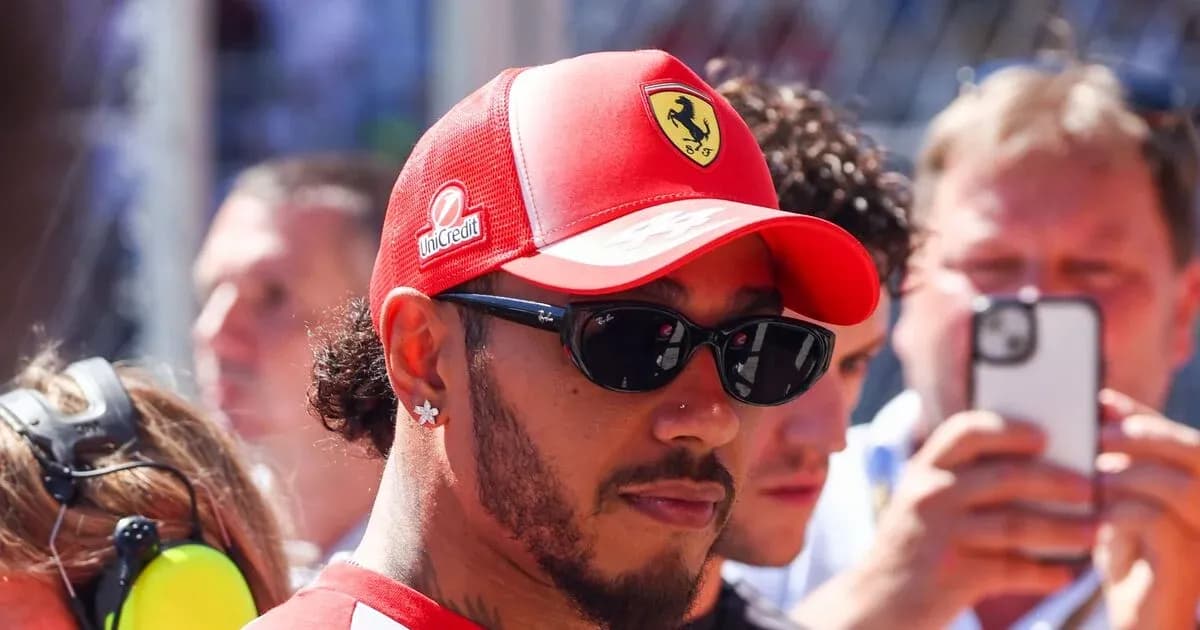
Lewis Hamilton fears Ferrari are endangering what he calls their “dimming” shot at a 2026 title fightback by refusing to tilt the balance of power his way against Charles Leclerc.
The seven-time champion arrives at Monza 59 points behind runaway leader Kimi Antonelli, who starts from the back after engine penalties, and 28 clear of team-mate Leclerc. The maths is brutal. The politics are even trickier.
Hamilton left Zandvoort already frustrated that Ferrari had not leaned into his status as their lead title hope, openly contrasting the Scuderia’s approach with the way Mercedes have structured their campaigns around Antonelli over George Russell. Qualifying at Monza only hardened that view.
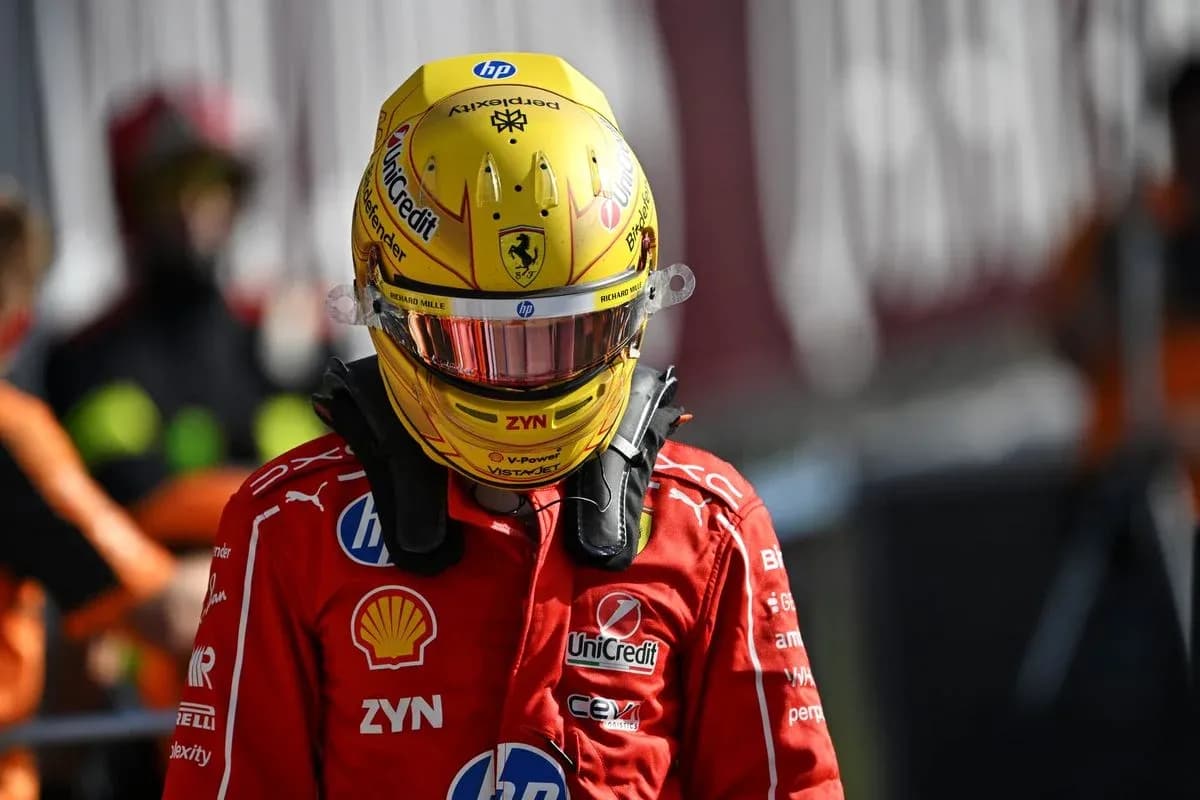
He ended the session fifth, one place behind Leclerc, but the result barely scratched the surface of his irritation. As he replayed the evening, Hamilton’s answers came with long pauses and unfinished sentences, underlining a clear message: Ferrari, in his eyes, are leaving points on the table.
“We're at a point in the year where 59 points is a huge – huge – deficit to recover from, especially when Mercedes continue to be the leaders in speed. So yeah, we do have to work as a team,” he said, before trailing off when pressed on whether that teamwork has actually materialised. “Have we been… if and when that would ever change… We'll find out, but all I can do is just try to arrive and do the best job I can.”
Slipstream politics at Monza
This weekend, at least on paper, Hamilton holds priority over Leclerc in qualifying order – a nod to his position in the standings and the enormous value of the slipstream around Monza’s long straights. Naturally, he chose to run behind the Monegasque, banking on a tow.
Leclerc had already accepted that arrangement on Thursday, but drew a line in the sand. He did not expect Ferrari to “compromise” his own qualifying to serve Hamilton’s campaign, and suggested he was happy to help with a tow as long as he too could latch onto a rival car.
That delicate balance between cooperation and self-preservation sat at the heart of Hamilton’s complaints on Saturday.
He came perilously close to missing Q3, scraping through by just 0.001s ahead of Gabriel Bortoleto in 11th. The margin was almost invisible; the frustration was not. Hamilton pointed straight at the Q2 run plan, and at Leclerc’s preferences, as the reason his session became so tight.
“We were supposed to do a push-cool-cool-push. But because everyone was waiting and Charles didn't want to go out first, we had to wait-wait-wait. And then we only got one push. And, yeah, it made it pretty challenging for us,” he explained.
The pressure finally told in Q3 as Ferrari’s execution frayed. Hamilton was meant to sit directly behind Leclerc on both runs, maximising the slipstream. Instead, the team released him too late on the first attempt, leaving him isolated, a third of a lap behind the bulk of the pack.
“I didn't have any wheels on the car basically and everyone left whilst my engine was running.
“And that just put me out of rhythm [for the second run] because when you're following another car, when you're in that tow, you arrive much faster so the braking zones are different. And then when you're on your own, you lose the tows. A lot of time lost in the tows.”
For a driver chasing a dominant Mercedes and an in-form Antonelli, such operational lapses sting harder than ever.
Team orders, or team tension?
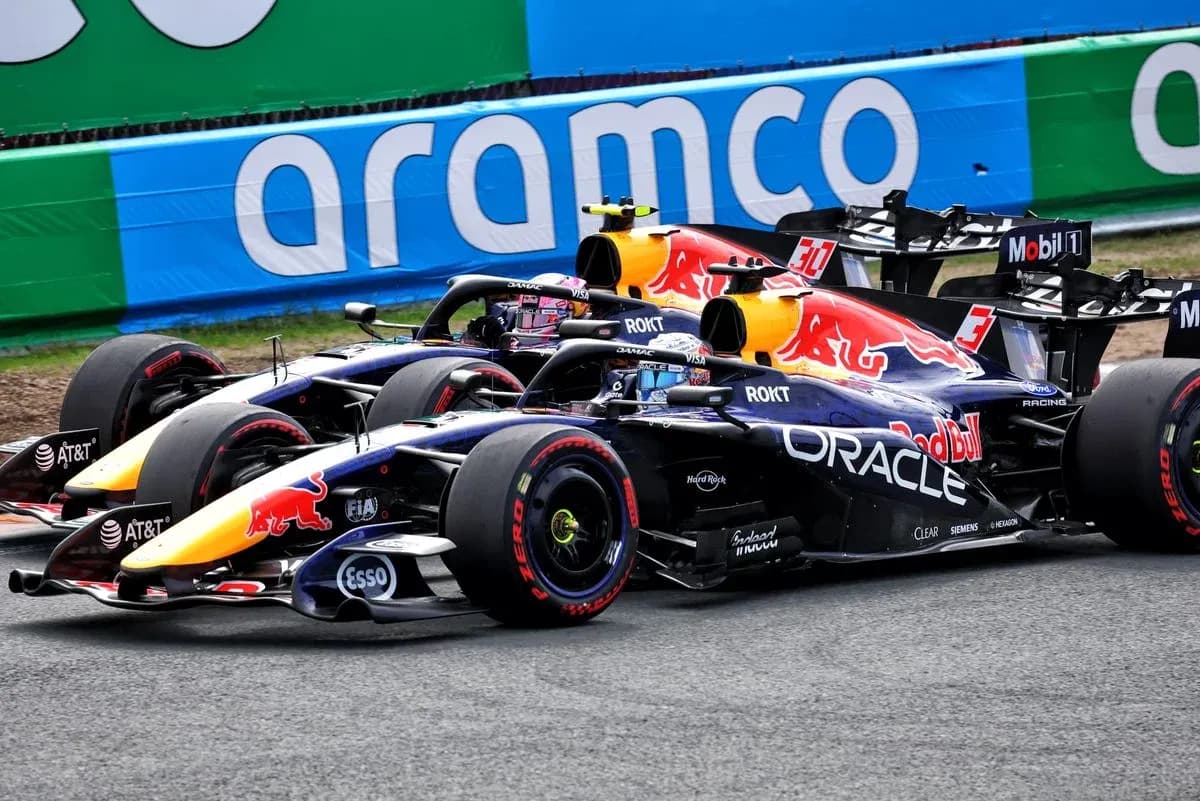
The discontent has been brewing since Zandvoort. Hamilton left the Netherlands unconvinced Ferrari had done enough strategically to protect his race, especially compared with the ruthlessly coordinated Alpine pairing of Pierre Gasly and his team-mate.
Asked what had been discussed internally since then about teamwork and strategy, Hamilton hesitated, then swerved the question.
“What I can say is, Pierre did a great job of… clearly, looking from a distance, it looked like they [Alpine] worked really well as a team.”
The comparison was pointed. Alpine, a midfield outfit, looked cohesive. Ferrari, locked in a title chase, did not.
So should Ferrari now throw their weight behind Hamilton as their best – if fading – chance of stopping Antonelli? Put directly to him, Hamilton didn’t duck the reality of the situation.
“There's light at the end of the tunnel, but it's getting dimmer the further we get through,” he said. “Even though the team's doing an amazing job in bringing upgrades and pushing us forward, I'm so proud of everyone working – I say it all the time, but it's because I really am. I couldn't do what I do without seeing the great work of everybody, and I feel like I always want to make sure that I acknowledge them and recognise them for that, because I want them to continue to push and I want them to stay hungry and keep that passion and fire.
“But also at the track, we need to come correct and act accordingly to make sure we get the result we need.”
The message was clear: effort at Maranello is not in doubt, but race-day choices are.
Ferrari’s dilemma
For Ferrari, the problem is as political as it is mathematical. Hamilton’s argument is simple: with a 59-point gap to Antonelli and a car still chasing Mercedes on outright pace, they cannot afford internal friction or split priorities.
Yet Leclerc is not a convenient number two. He is tied down on a longer-term deal and still sees a viable route to the title. With 283 points projected to remain on the table this season, the Monegasque can reasonably argue his case to stay fully in the fight, especially given how evenly matched he and Hamilton have been over one lap this year.
Ferrari would struggle to tell their homegrown star that his title push is over while the calendar still offers so many points – and while the qualifying head-to-head between the two drivers sits on a knife-edge.
So Monza becomes more than just another race. It is a stress test of Ferrari’s nerve and their hierarchy. Hamilton wants clarity, Leclerc wants equal footing, and the team wants a miracle chase of Antonelli without lighting a fire in its own garage.
Somewhere in that triangle lies Ferrari’s 2026 destiny.