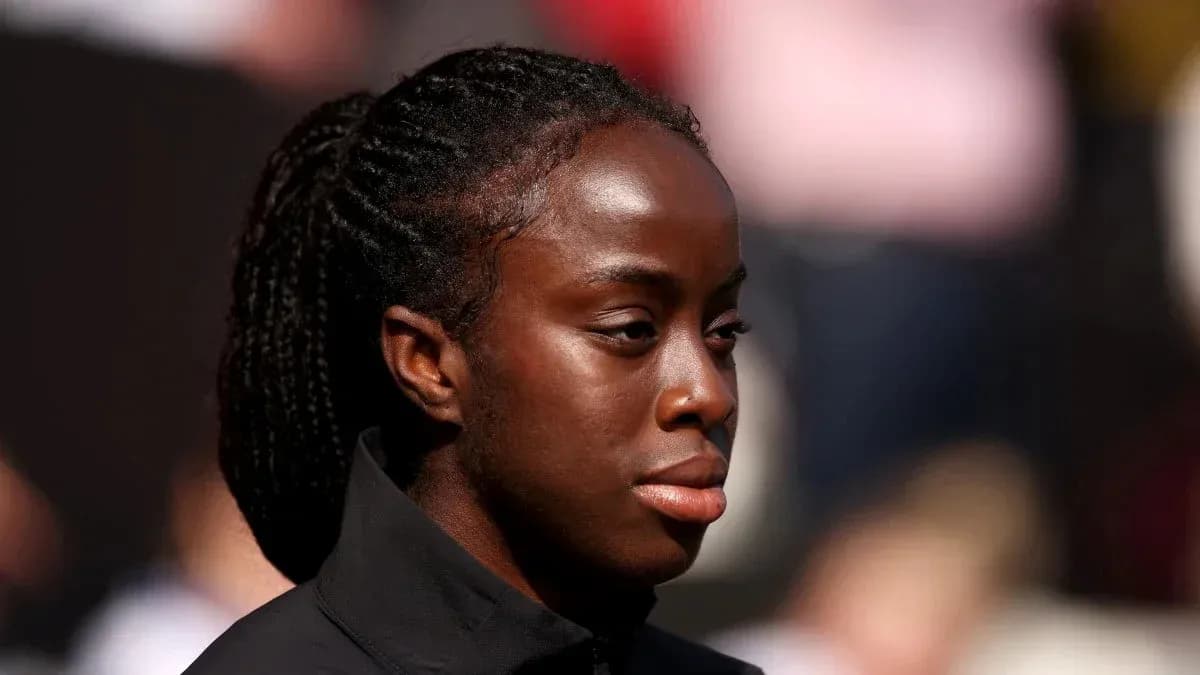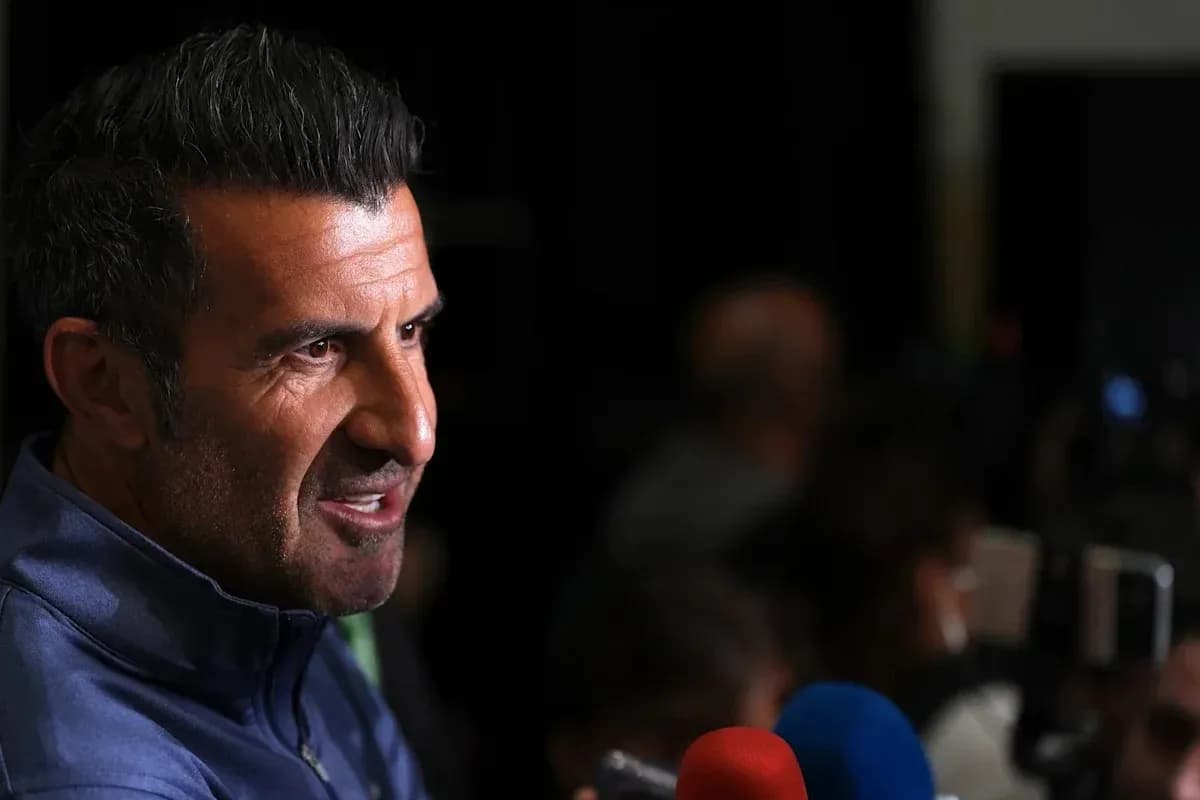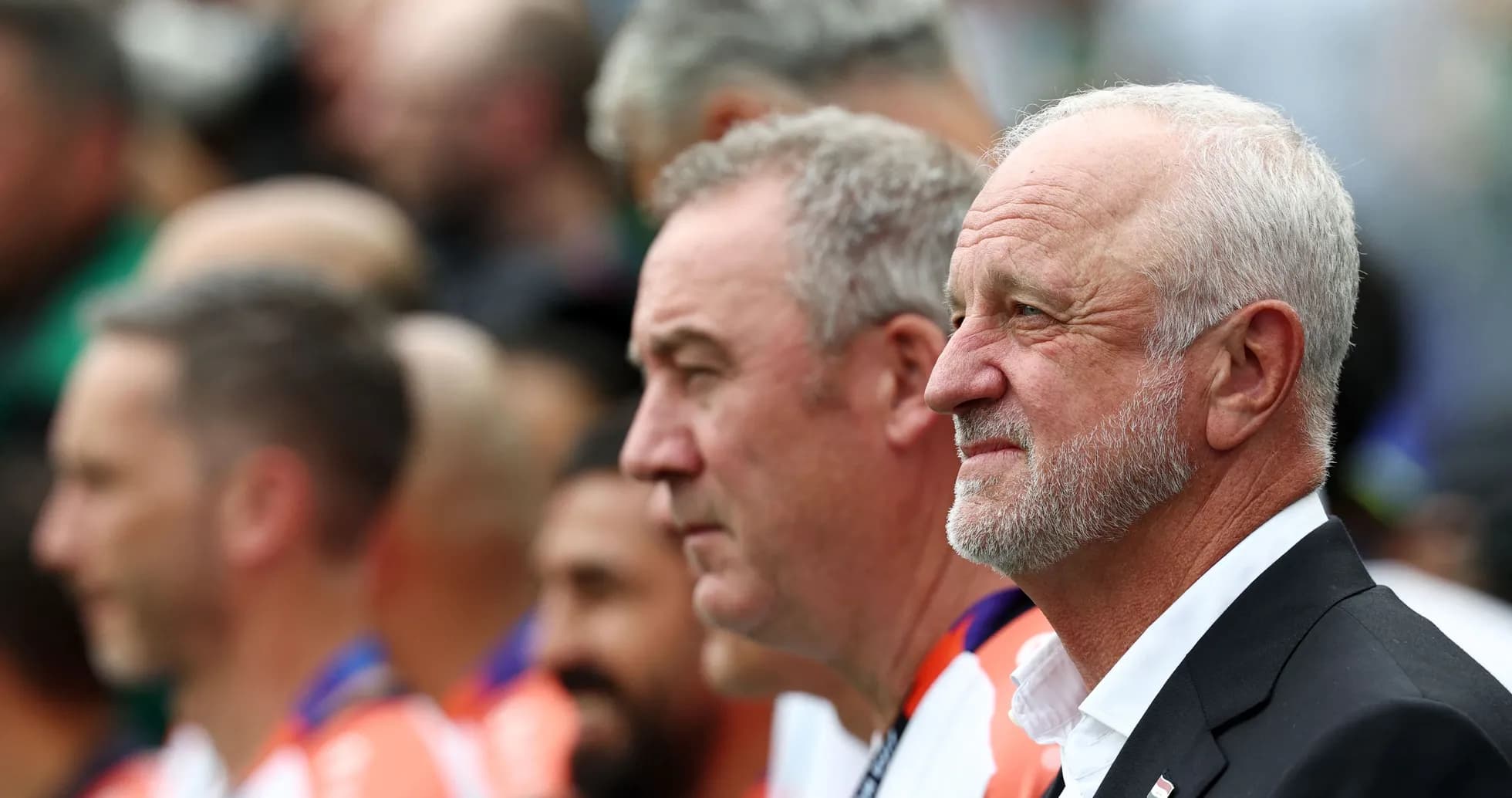
At a tight, noisy Ochilview, where Stenhousemuir had already bloodied one Premiership nose this season, Hearts arrived, absorbed the early emotion and quietly took the place apart.
Composed. Clinical. Through to the League Cup semi-finals without a flicker of panic.
This was the night the part-timers who toppled Motherwell ran into a side in form and in control. The upset never truly felt on, even when the League 1 leaders briefly threatened to stir the script.
Early scare, then Hearts take charge
For a few minutes, the story teased a different direction.
Kinlay Bilham darted into space and should have punished Hearts with a surprise opener. He didn’t. Sabri Guendouz then glanced a header wide for Wouter Vrancken’s side at the other end as both teams prodded rather than punched through a cagey start.
Hearts grew. Stenhousemuir retreated half a yard. The pattern set.
JJ Williams, making his first start, almost broke it open with a straightforward header that Darren Jamieson gathered comfortably. That felt like a warning. The next chance was anything but gentle.
Tomas Magnusson worked the opening smartly, Hearts sliced into the box, and when the ball broke for Williams, he didn’t hesitate. A low, rifled finish from close range, his first goal in maroon, and the tie tilted decisively.
The visitors smelled weakness. The noise from the home stands dipped, just a touch. Hearts stepped on the accelerator.
Mato’s burst of pure pace
Rogers Mato then ripped the game away from Stenhousemuir.
The Uganda international had already hinted at his threat, driving at defenders, stretching the pitch, refusing to let the tempo drop. When Guendouz slid a pass through the inside channel, Mato exploded onto it.
One burst of speed, one moment of composure. He slid the ball past Jamieson, a finish as calm as his run was electric. Two goals up, Hearts were not just winning; they were dictating every beat of the contest.
From there, Vrancken’s team played like a side who knew exactly what was required. No wild risks, no unnecessary drama. Just control.
Part-timers empty the tank
The backdrop to all this matters. Marvin Bartley had revealed before kick-off that his squad trains together only twice a week, 75 minutes at a time. Most of his players had already put in a full working day before facing a top-flight side with European ambitions.
They had already dumped Motherwell out in the previous round. They arrived unbeaten this season. They did not freeze under the lights.
Bartley’s men pressed when they could, chased lost causes, and refused to fold. Their first defeat of the campaign came not through collapse, but through the simple reality of facing better, sharper opponents.
The manager’s verdict said it plainly: they emptied the tank and were beaten by the better team. On this stage, that still counts for something.
Dhanda finishes the job
The second half slipped into a slower rhythm. Hearts, two goals to the good, managed the game. Stenhousemuir pushed in patches but rarely found the precision to trouble a defence that looked increasingly assured.
Then the visitors struck again with a move that underlined the gulf.
A cross to the back post, Williams alive to the situation, cushioned his knock-down into the danger area. Yan Dhanda arrived, timing his run perfectly, and lashed the third beyond Jamieson. It was a well-worked goal, simple in design, ruthless in execution.
From there, Hearts strolled. No frantic defending, no late flurries to survive. Just a professional close-out and a place in Sunday’s semi-final draw secured with minimum fuss.
Vrancken could be satisfied. His side had stayed within the game plan, shown energy without losing shape, and his new forward had delivered on his first big audition. Williams, he noted, is already connecting off the pitch and did “the right things” with and without the ball on it.
Hearts walk away with a clean, confident win and the sense of a team quietly gathering momentum. Stenhousemuir leave with tired legs, a first loss of the season, and proof that their rise under Bartley is no illusion.
One team now looks up at a national semi-final. The other goes back to two 75-minute training sessions a week, wondering just how far this journey can still go.