The O2 undercard did its job. Before Moses Itauma and Filip Hrgovic tore into each other for the vacant IBF heavyweight title, a chaotic, bloody, and often gripping supporting cast set the tone in London.
Vianello vs Jolly – Brutal, breathless, and somehow a draw
The night opened with heavyweights who clearly hadn’t come to box cute.
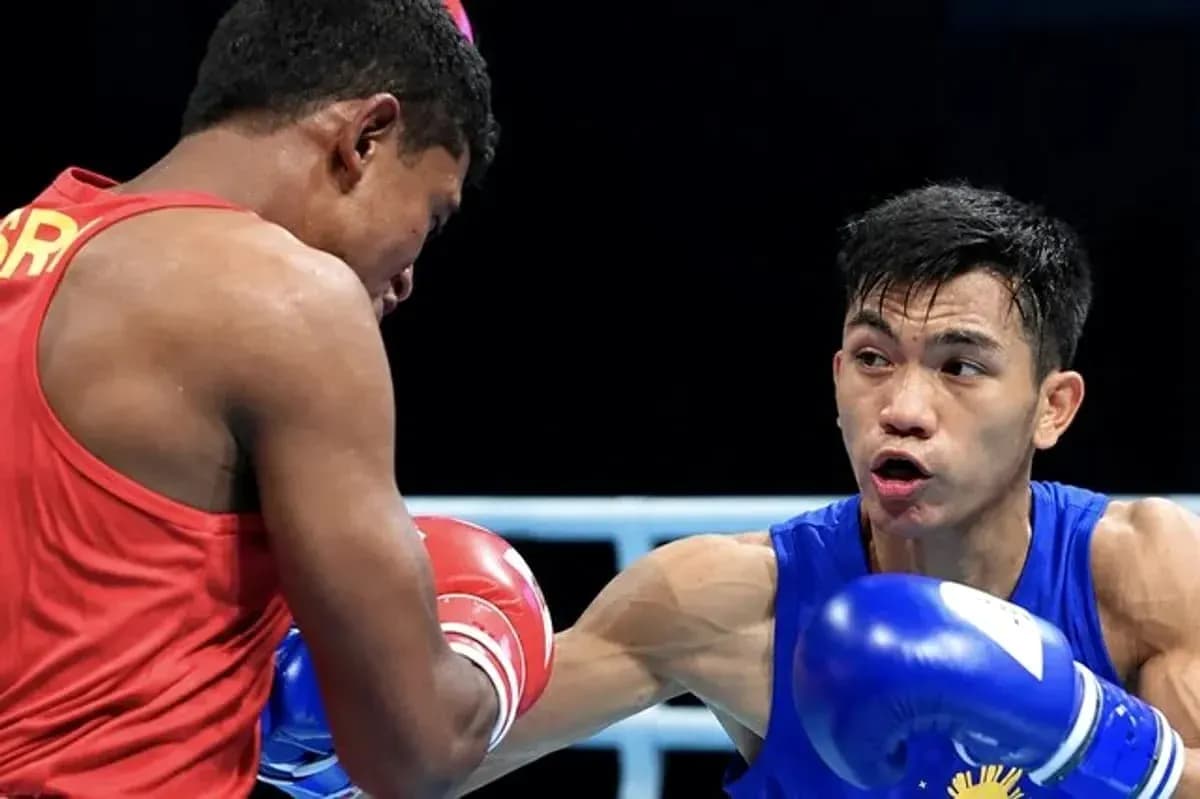
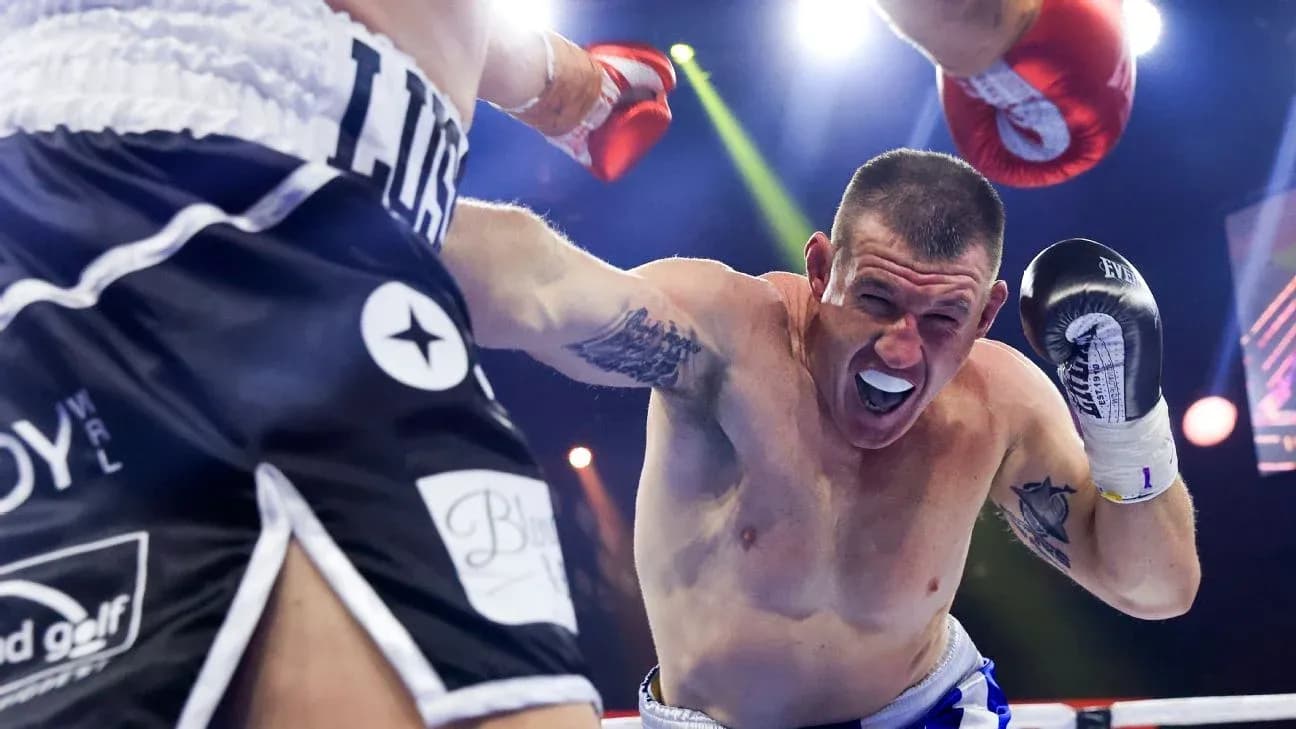
Guido Vianello, the former Olympian trying to rebuild after a patchy run, met unbeaten Welsh prospect Moses Jolly in a fight that looked like a classic step-up assignment. It turned into a small war.
From the first bell, both men loaded up. Jolly, the naturally bigger man, dug to the body early, thudding shots into Vianello’s ribs. The Italian answered with the cleaner, more eye-catching counters upstairs, but there was nothing measured about the tempo. They went at each other.
By the second, their intentions were written on their faces. Both were already bloodied, swinging in ugly, looping exchanges that threatened to end the contest at any moment. Technique frayed, desire didn’t.
Jolly then had his moment. Two savage overhand rights crashed into Vianello, who somehow absorbed them amid the mauling and wrestling. The Welshman knew he was having success – he blew a kiss to the crowd, bounced to the music in his corner, and carried himself like a man enjoying the stage.
His early investment downstairs took a toll. By the middle rounds, Vianello was gasping, visibly uncomfortable as Jolly continued to sink punches into the body. The Italian, though, refused to fold. He started to find a rhythm with counters and clever inside work, doing just enough to stop the fight running away from him.
The sixth saw a shift. Jolly’s work rate dipped to single jabs, his output slowing as fatigue crept in. Vianello seized the moment, picking him off with counters while both men grew increasingly ragged and exhausted.
They emptied the tank in the last, but the finish never came. After seven rounds of heavy leather and blood, it felt like Jolly had banked the early work. The referee, acting as sole scorer, disagreed. 76-76. A draw.
It was a result that felt harsh on Jolly, who had dominated the first half of the fight, but it leaves both with questions and, crucially, with their records intact.
Ursu vs Vaughan – Cuts, chaos, and a champion pushed to the brink
If the opener was wild, the British welterweight title fight between Constantin Ursu and Ben Vaughan was downright savage.
Ursu, defending the belt he’d prised from Owen Cooper, walked in as the more polished technician. Vaughan arrived as the challenger with a point to prove after a setback against Bobby Dalton. From the start, it was Vaughan who imposed himself.
Across the first two rounds, Vaughan simply outworked the champion. He crowded Ursu, roughed him up, and hacked at the body in an effort to take away the legs. Ursu kept searching for that rear uppercut to head and body, but the space he needed never quite materialised. He was being smothered.
When Ursu did get room, the jab told. It snapped Vaughan’s head back, bloodied his nose, and showed the gulf in pure technique. His defense, too, dulled some of Vaughan’s shots, taking the sting off the combinations. Yet he was still getting caught with needless punches, his “fast and loose” approach leaving gaps.
Vaughan’s plan downstairs looked smart. He thumped the body, trying to slow the champion and drag him into deep water. For a while, it worked.
Then the fifth round changed everything.
Ursu began landing with far more consistency, stepping into his shots and finally timing Vaughan on the way in. A nasty cut opened above the Englishman’s left eye, blood streaming down and into the eye socket. The sight of damage fired Ursu up. He closed the round in command, punching in combinations as Vaughan tried to blink through the red.
The sixth was pure carnage. Ursu picked up a cut of his own on the right eye, turning the ring into a slick of shared blood. Neither man backed off. They traded with abandon, but Ursu’s shots carried more venom, more weight. He looked like the man who knew how to close a hard fight.
Both rose for the eighth round drenched in each other’s blood. They were ready to go on. The doctor and referee had seen enough. Vaughan’s cut, worsening and pouring, was ruled too severe to continue.
Ursu retained his British and Commonwealth welterweight titles via eighth-round TKO, but it was no routine defense. Vaughan had given him a serious push, exposed defensive lapses, and ensured that the questions around Ursu’s risk-taking style will not go away any time soon.
Hysa vs Narmo – The “Last Viking” toppled in a heartbeat
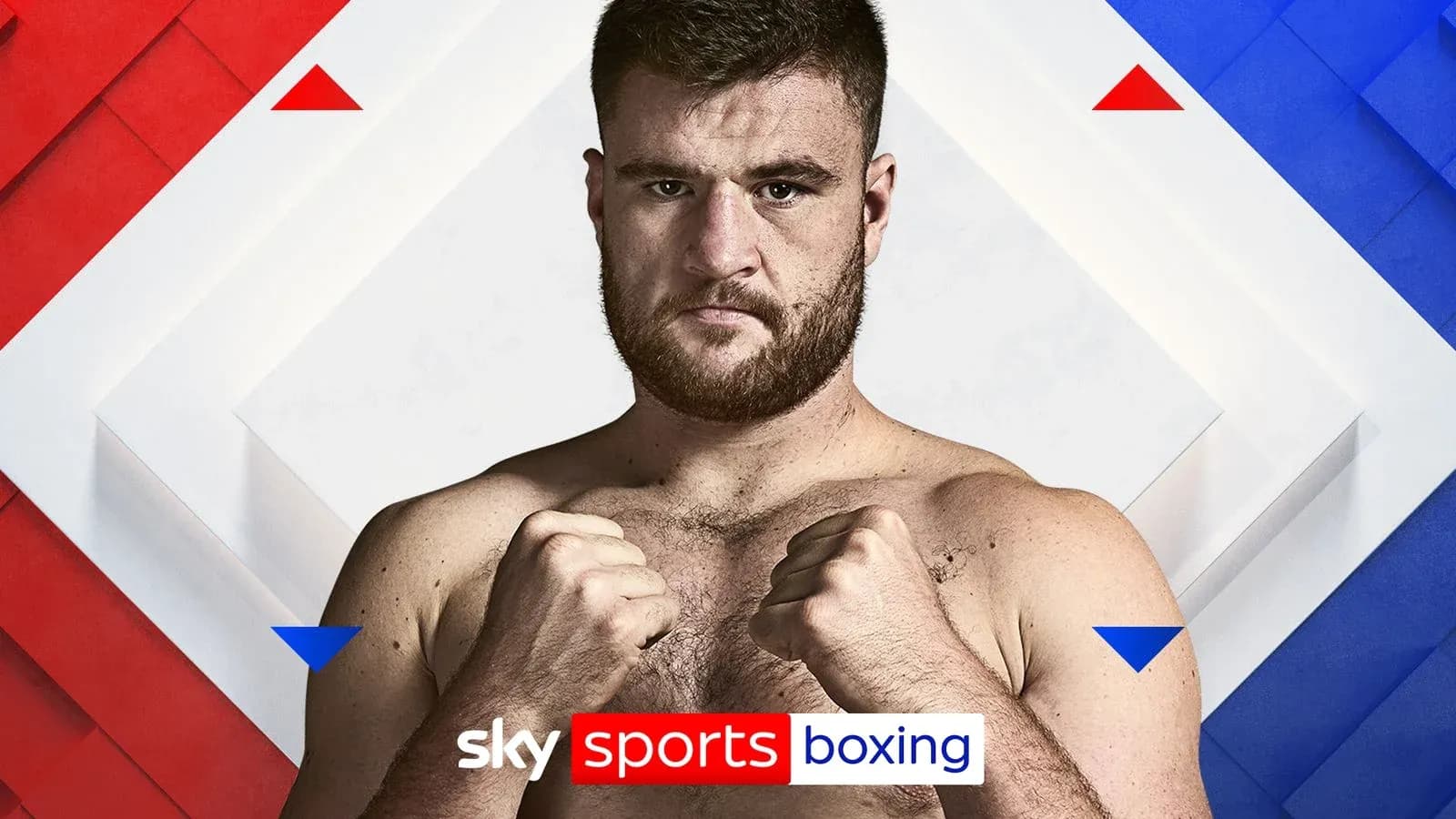
Heavyweight power returned in the form of Nelson Hysa and Thomas Narmo – billed as “The Last Viking” – in a meeting of two unbeaten punchers.
On paper, 14 fights and 14 knockouts for Narmo against the 24-0 Albanian with the WBO Global title looked like guaranteed fireworks. In reality, the opening was cautious. Two huge men pawed with jabs, measuring, feinting, looking for tells.
One tell stood out. Narmo’s chin came up as he exited range. Hysa spotted it, offered a knowing grin, and stored the information.
He didn’t need long to use it.
Early in the second, Hysa uncorked a thudding overhand right. It crashed straight onto that high, exposed chin and folded “The Last Viking”. Narmo bravely scrambled to his feet, but his legs betrayed him. The referee waved it off before the inevitable damage followed.
Hysa moved to 25-0, WBO Global belt still around his waist, and did it in less time than their walk to the ring. It was ruthless, clinical heavyweight finishing – and a reminder that at this level, one mistake is one too many.
Noakes vs Berinchyk – Education of a contender
Chief support fell to Sam Noakes against former WBO lightweight champion Denys Berinchyk, a fight that would have been for a world title had the Ukrainian not been stopped by Keyshawn Davis last time out.
Noakes came in off a punishing defeat to Abdullah Mason and a quick rebuilding win at York Hall. This was his chance to prove he belonged back among the elite. Berinchyk, with Olympic silver on his résumé, came to London with experience and a plan.
He refused to stand still.
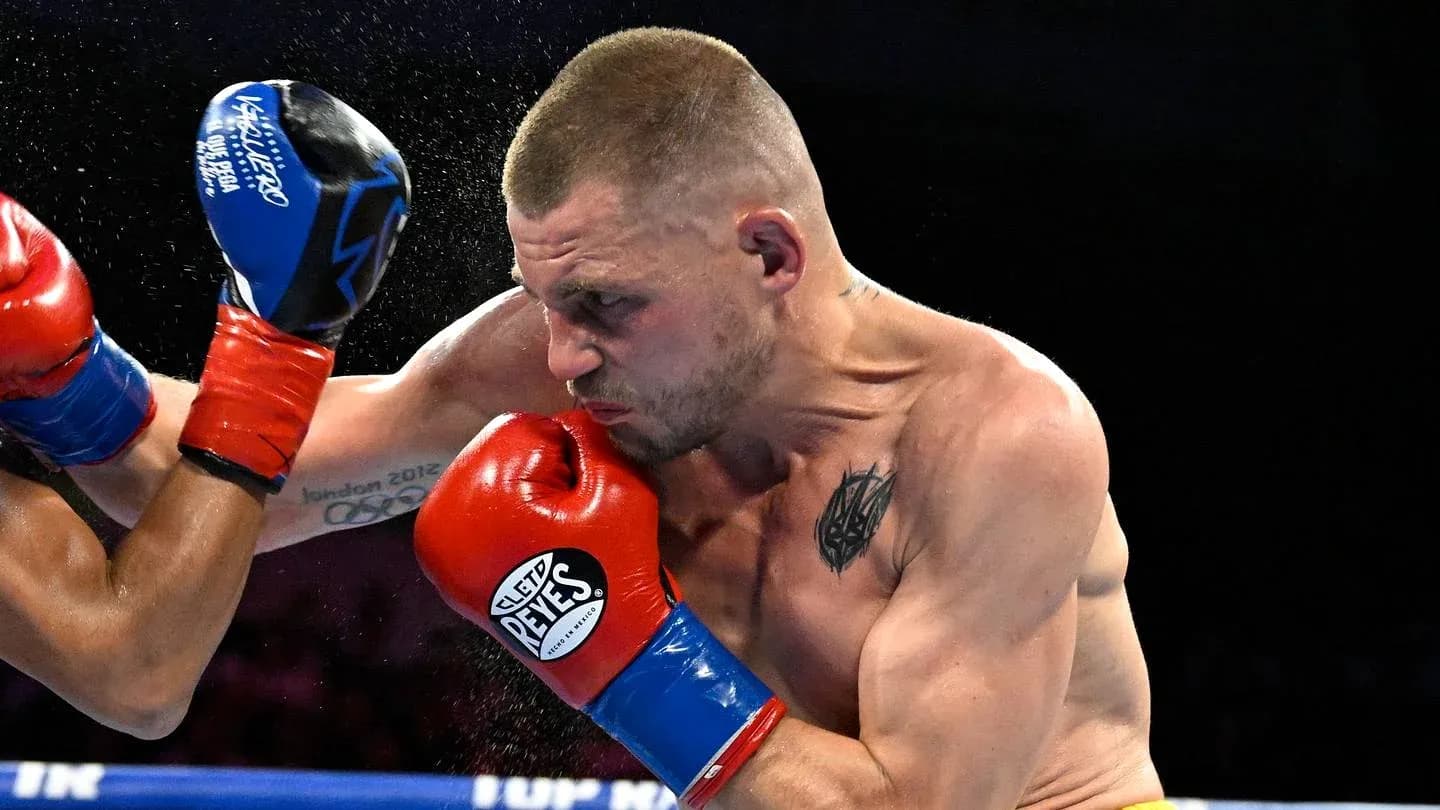
From the first bell, Berinchyk circled and skipped, constantly on his bike, dipping and sliding away from Noakes’ heavy artillery. His jab, educated and sharp, flicked out as he moved, picking spots while denying the Brit a clean target.
Noakes loaded up with bad intentions on almost every shot. He struggled to land anything flush. The big ring belonged to Berinchyk, who floated around it and punished Noakes when he overreached.
In the fourth, the Ukrainian switched to southpaw and found success. A couple of stinging left hands cracked home, and Noakes kept trying to drag him into a fight he didn’t want – closing distance, digging to the body whenever he managed to pin him down. He knew he had to slow those spring-loaded legs.
Momentum began to tilt in the fifth. Noakes finally started to make the geography work in his favour, cutting the ring and corralling Berinchyk into corners. The jab became a tool, not just a range finder, and he pushed his man into positions where he could let combinations go to head and body. It was still competitive, but the Englishman walked through what came back.
Round by round, the ring shrank for Berinchyk. Noakes’ pressure grew more educated, his feet more disciplined. The former champion was being forced into exchanges he’d tried to avoid all night, his face reddening under the steady stream of leather. The fight, and the narrative, began to slip from his grasp.
Berinchyk’s fast hands never disappeared. He continued to make Noakes pay for mistakes, forcing the Brit to accept he’d have to take one to land one. Yet the size and strength difference told. Noakes smartly dropped his work to the body, sapping Berinchyk’s bounce and authority.
Heading into the final round, it was close, but Noakes looked to have edged the majority of the sessions with volume, pressure, and heavier scoring shots. Berinchyk dug in, stood a little closer, and let uppercuts and lead hooks fly in a last push to turn things his way.
It wasn’t enough.
All three judges scored it for Noakes, who walked away with a unanimous decision and, more importantly, a win that repositions him on the world stage.
He had to solve problems, adjust on the fly, and beat a man who refused to make it easy. On a night when the O2 belonged to heavyweights chasing history, Noakes quietly moved himself back into the queue for another world title shot.