Honda has moved to shake up the leadership of its Formula 1 power unit project, installing Yoichiro Fukao as the new figurehead of its engine programme with Aston Martin as the sport hurtles toward the 2026 regulations.
The Japanese giant calls it a “planned transition.” The timing tells its own story.
Fukao steps up as Honda resets for 2026
Fukao, currently assistant LPL – effectively the deputy leader of the F1 project and head of the software division – will take over as Large Project Leader from Tetsushi Kakuda. The handover becomes official on 1 October, with Honda making clear this is about accelerating development and bedding in the next wave of engineering leadership.
Fukao joined Honda in 2002 and has climbed steadily through the ranks, reaching his current role in 2022. Now he inherits full responsibility for the power unit that will sit at the heart of Aston Martin’s 2026 car.
In a statement, Honda Racing Corporation framed the move as a long-planned evolution designed to “ensure a smooth transition to the next generation of engineers” and to lock in a “robust development framework” ahead of the looming rules reset. The manufacturer is already looking beyond 2026, explicitly referencing further regulatory tweaks expected from 2027 and the need to deliver a “highly competitive PU” by moving to the new structure early.
The message is clear: this is not a fire drill, but it is a serious reset.
Organisational change against a grim backdrop
The strategic language sits in stark contrast to the reality on track.
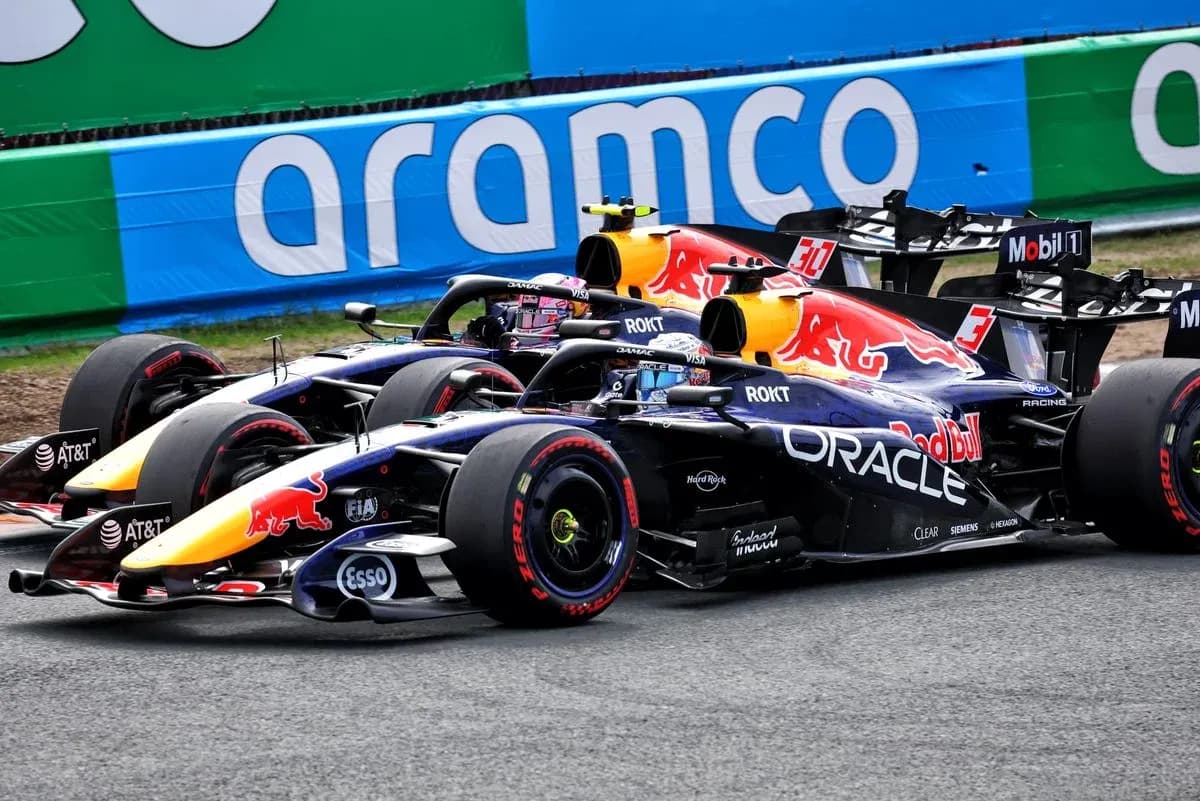
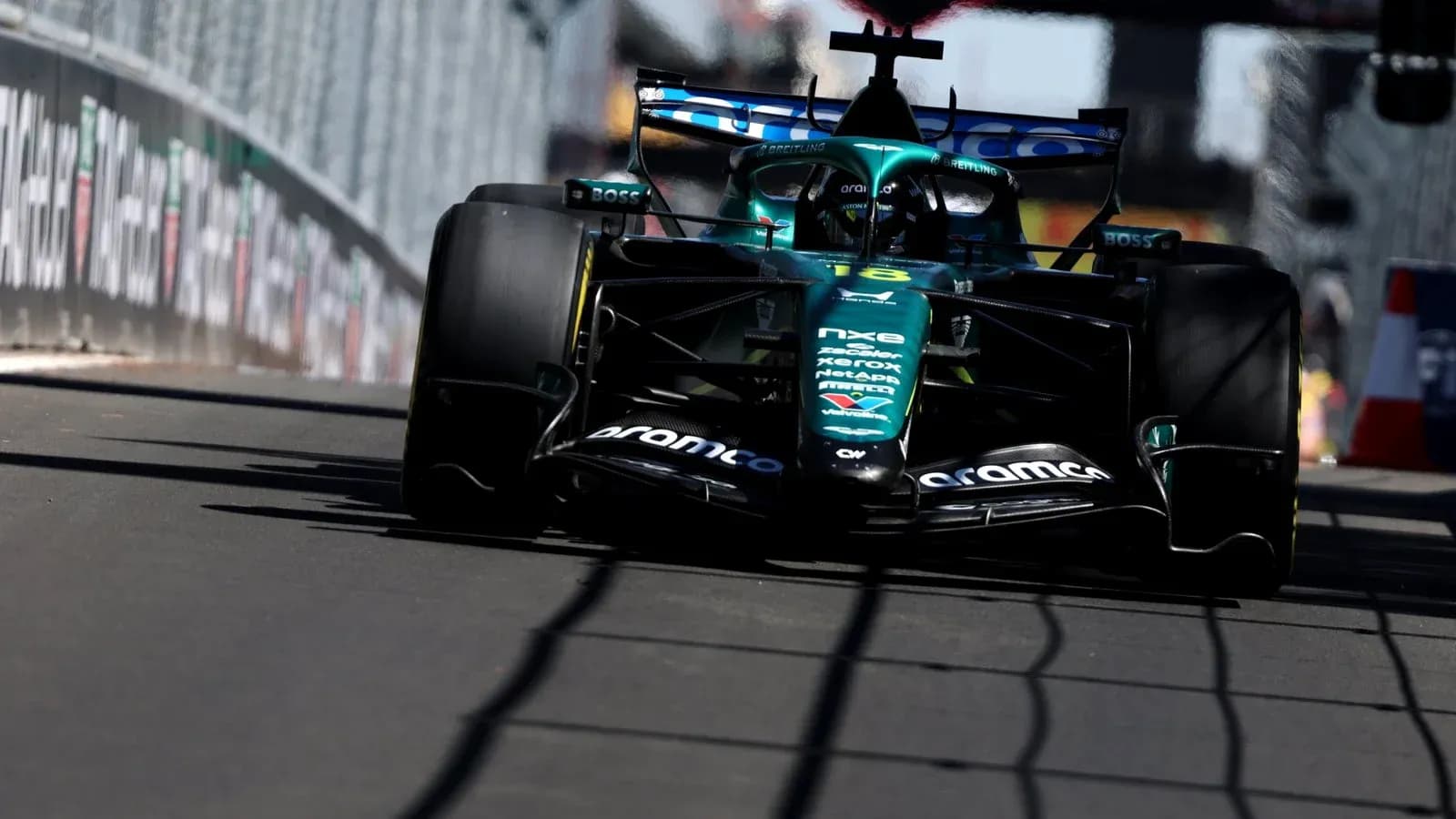
Aston Martin is enduring a miserable season, marooned in 10th in the constructors’ standings with just three points, ahead only of newcomers Cadillac. The team and its engine partner have squandered the chance to pounce on the current engine regulation cycle, and the results have been brutal.
At Fernando Alonso’s second home race of the year, the Spanish Grand Prix, the two-time world champion could do no better than 17th. Lance Stroll did not see the chequered flag, retiring with brake problems. On a weekend that should have crackled with emotion and momentum, Aston Martin looked flat and toothless.
Honda’s attempt to change that narrative came with the introduction of an upgraded power unit – the spec 2 engine – at the Dutch Grand Prix. It was supposed to be a step. It has not yet been a leap.
Trackside general manager and chief engineer Shintaro Orihara admitted as much, stressing that while “today’s result isn’t what we wanted,” there are “learnings and improvement points” to carry forward. He pointed to progress over the last three races, highlighting improved driveability from the new spec 2 unit and a shift in focus toward outright performance.
Across the Spanish weekend, Honda tweaked calibrations in search of that missing edge and, session by session, saw “good signs in the data.” The engineers are convinced they are “working in the right direction.”
For now, though, the timing screens remain unforgiving.
A long game with little margin for error
That is why this leadership change matters. Honda is not simply swapping names on an org chart; it is betting that Fukao’s software background and experience inside the current project can knit together the complex hybrid, electrical, and control demands of the 2026 formula.
The new rules will reward those who get ahead of the curve, both technically and organisationally. Honda wants to be one of them again, not a supplier explaining away another weekend of underachievement.
The pressure now sits squarely on Fukao and his new structure. With Aston Martin sliding and Cadillac already looming in the mirrors, Honda cannot afford to be playing catch-up when the next era begins.