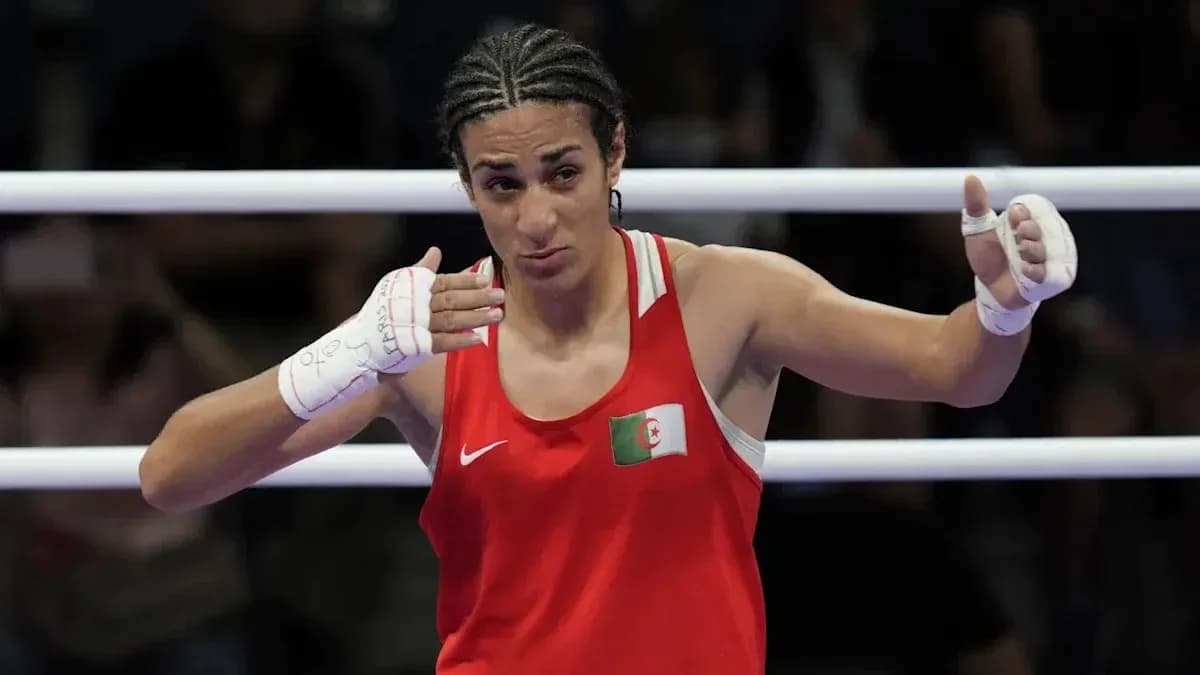
Imane Khelif’s fire never went out. It just had to wait.
Two years after standing on top of the Olympic podium in Paris, the Algerian star is finally stepping back through the ropes, choosing the same city that made her a global lightning rod as the stage for her return.
Back to Paris, back to the fight
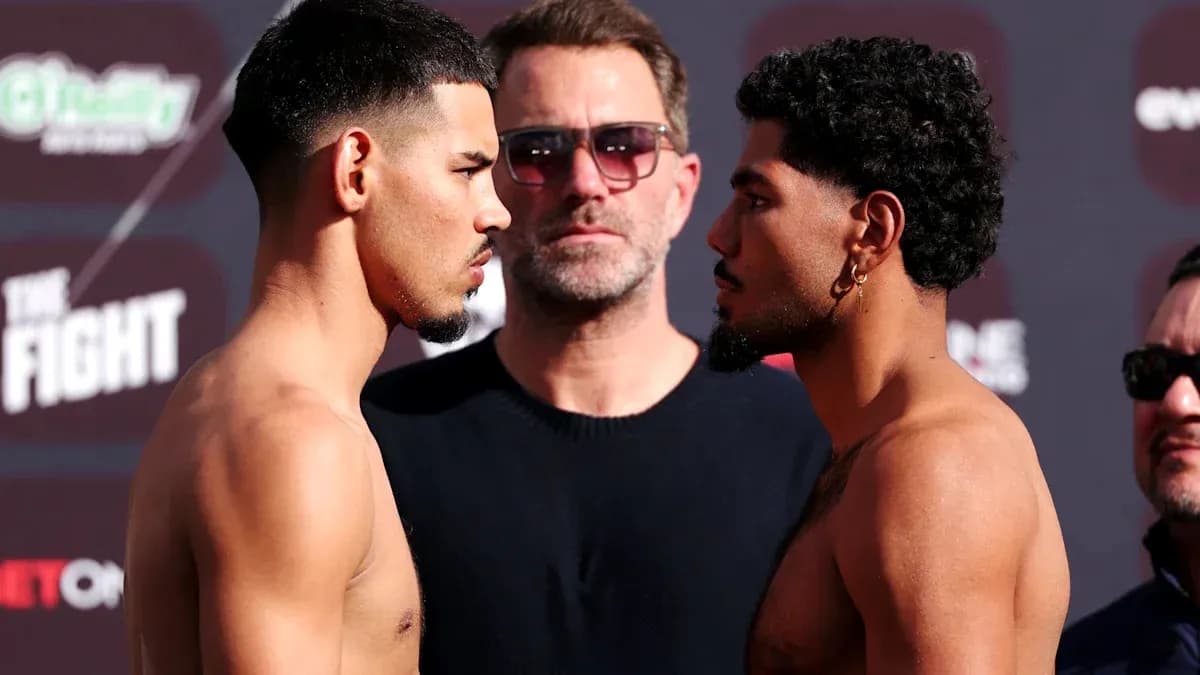
Khelif has not fought since winning gold at the 2024 Paris Olympics, a triumph overshadowed by a storm that raged far beyond the ring. Now, on December 15, she will walk into Maison de la Mutualite in Paris to face undefeated Clarida Sarabia in a long-awaited comeback.
This was not the original plan. Khelif had been set for a professional debut in April 2026, also in Paris, only for a left shoulder injury in training to rip that date from the calendar. The momentum stalled. The questions grew louder.
But the wait ends in December.
In a video posted to Instagram, Khelif framed the journey in a single, sharp line: “I've waited, I've doubted, but deep inside, the fire never dies. And, now, I'm back.” No bravado. Just a declaration that she is not done.
A champion under a spotlight
Khelif’s name has rarely existed without context since 2023.
That year, the International Boxing Association (IBA) — now removed from control of Olympic boxing — banned her and Taiwan’s Lin Yu-ting after what it described as failed gender eligibility tests. The decision ignited a global debate and left both fighters at the center of a bitter dispute over who gets to define eligibility in women’s sport.
Yet the story did not end there. When the 2024 Paris Olympics arrived, it was the International Olympic Committee, not the IBA, that ran the boxing tournaments. Under the IOC’s sex eligibility rules, Khelif and Lin were cleared to compete.
Both won gold.
Their victories became some of the most discussed moments of the Games, celebrated by many, questioned by others, and relentlessly dissected across media and politics. For Khelif, every punch thrown seemed to carry more weight than just a medal.
A sport reshaped around her
The ripples from that period are still being felt.
In 2025, World Boxing took over as the sport’s governing body and quickly moved to draw its own lines. It introduced a sex eligibility policy requiring all fighters to undergo a one-time genetic test for events it sanctions — a move framed as bringing clarity to an increasingly contentious issue.
Khelif’s name again sat at the heart of the conversation. World Boxing president Boris van der Vorst later apologized to the Algerian federation after initially singling her out in the announcement about the new tests, an acknowledgment of just how personal and public her case had become.
The legal battle followed. In August 2025, Khelif reportedly appealed World Boxing’s decision, seeking to suspend the policy. The Court of Arbitration for Sport dismissed her attempt, keeping the framework in place.
Amid the noise, Khelif chose to speak directly. In a February 2026 interview with CNN, she said she has high levels of testosterone, which she has been reducing under medical supervision. It was a rare moment of openness in a saga often fought over her head rather than with her voice.
The next round
Now comes the return to what first made her famous: fighting.
Clarida Sarabia arrives in Paris unbeaten, a dangerous assignment for any comeback, let alone one carrying this much scrutiny. Khelif, though, has lived with scrutiny for years. This is familiar terrain, even if the stakes feel different.
The venue is smaller than an Olympic arena, the stage more intimate, but the questions around her remain vast. How will she look after two years away? How will the sport, reshaped by policies in which her case played a central role, receive her? And in a ring that has become a battleground for far more than titles, what does victory even mean now?
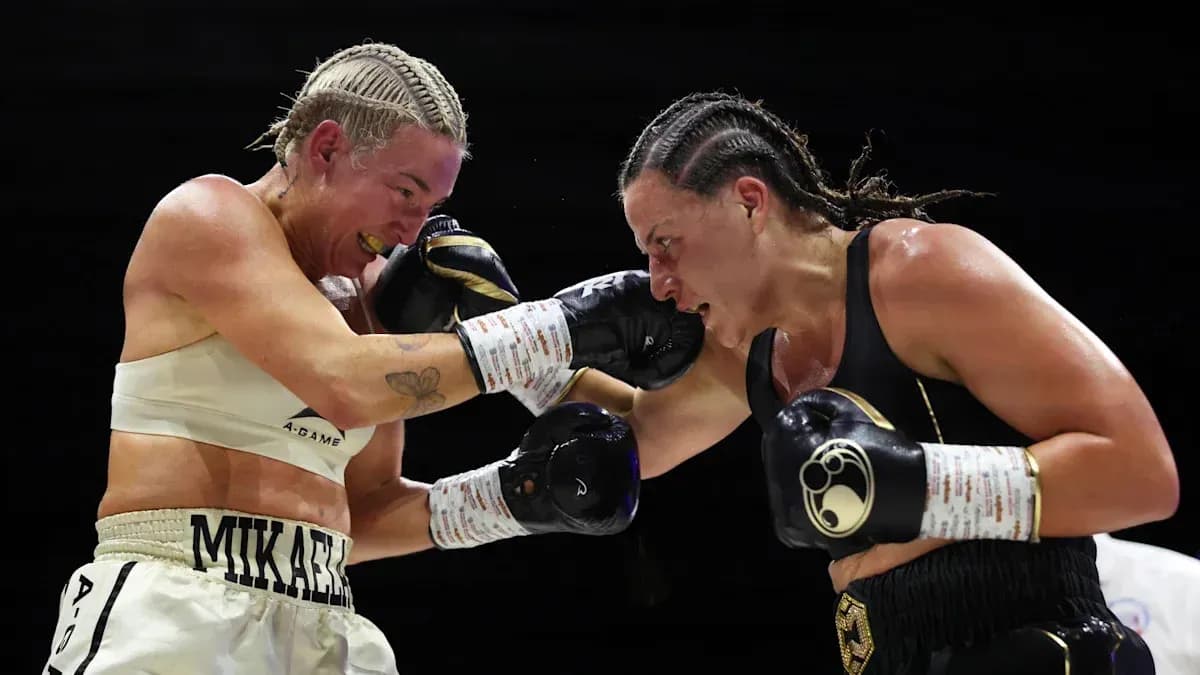
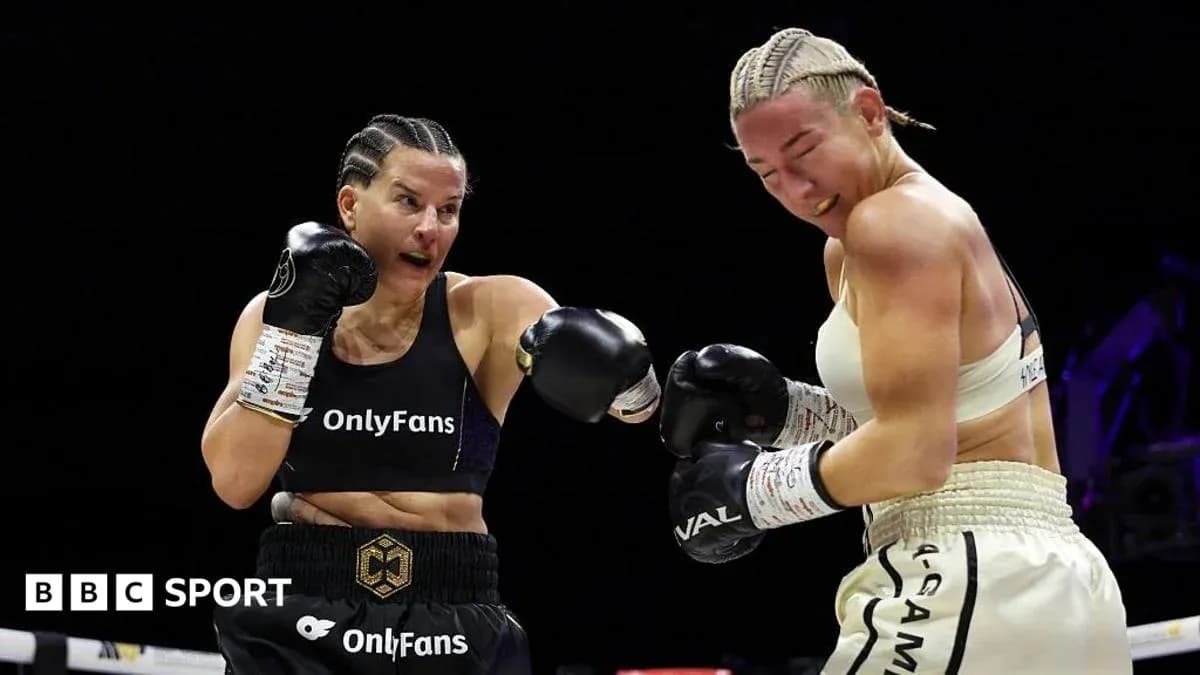
On December 15 in Paris, the debate will rage on outside. Inside the ropes, Imane Khelif will finally get to answer in the only language she has ever truly trusted: three-minute rounds, a live crowd, and an opponent trying to take everything from her.