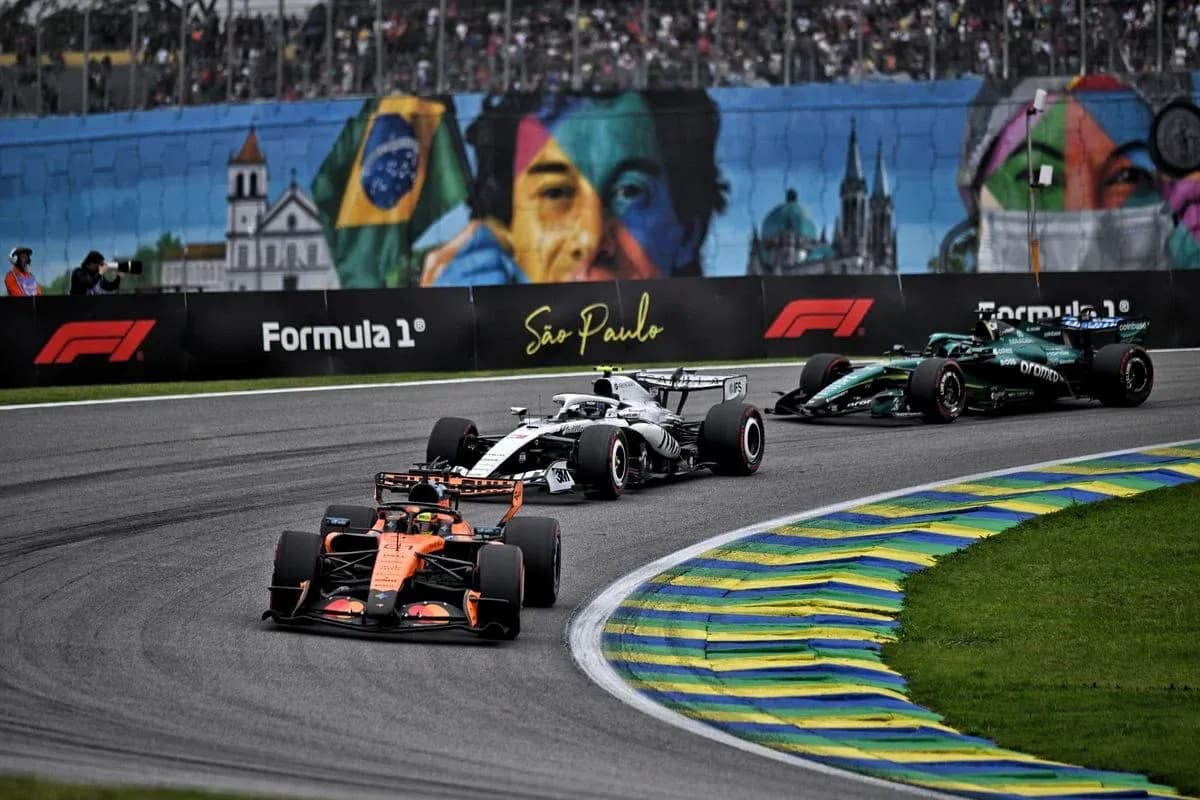
Interlagos has built its legend on chaos. On Sundays when the grid order feels like a suggestion, not a script. When a car starting 10th or 17th is still a threat, and the Senna S becomes an overtaking conveyor belt.
This year, the drivers fear that version of Brazil might be gone.
The first full test of Formula 1’s 2026 regulations at a traditional overtaking circuit has left the grid uneasy. What used to be a track where a fast car could slice through the pack now looks, in the drivers’ eyes, like a place where the rules might strangle the spectacle.
And the voices raising the alarm are the ones who know better than anyone what Interlagos usually offers.
Hamilton And Verstappen: Kings Of The Comeback, Now Pessimists
Lewis Hamilton and Max Verstappen have both turned lowly Brazilian grid slots into famous victories. Hamilton stormed from the back in the 2021 sprint and then from 10th to win on Sunday. Verstappen started 17th in 2024 and still found a way to the top step.
This time, they’re not promising miracles.
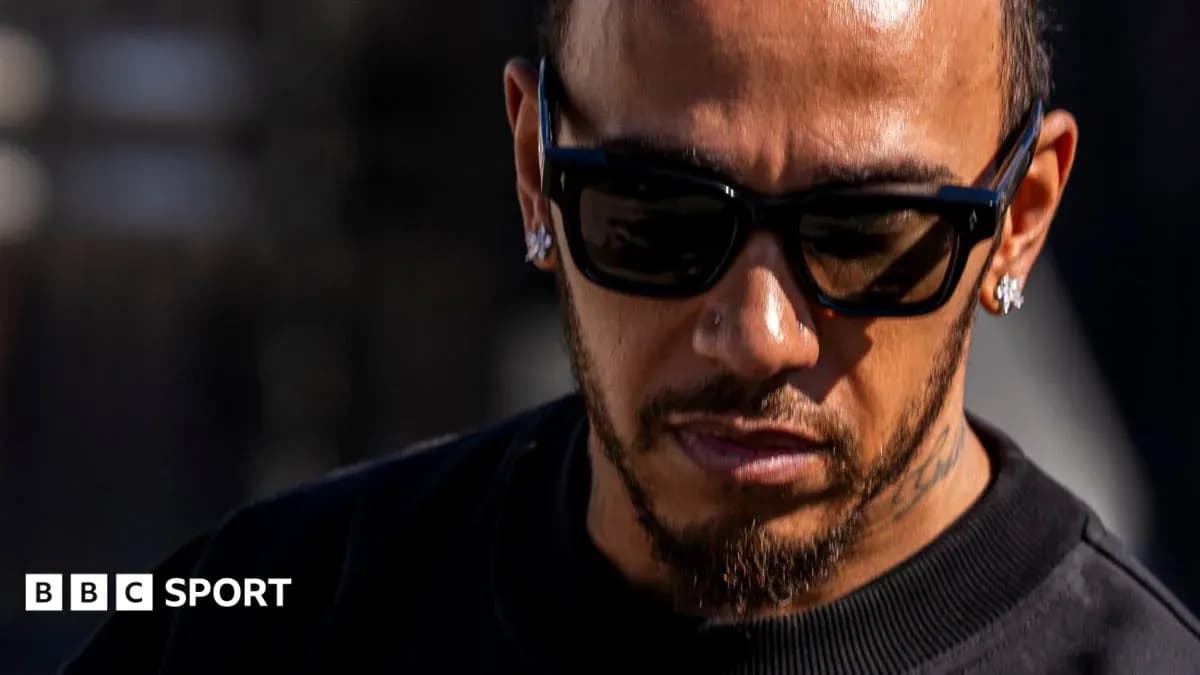
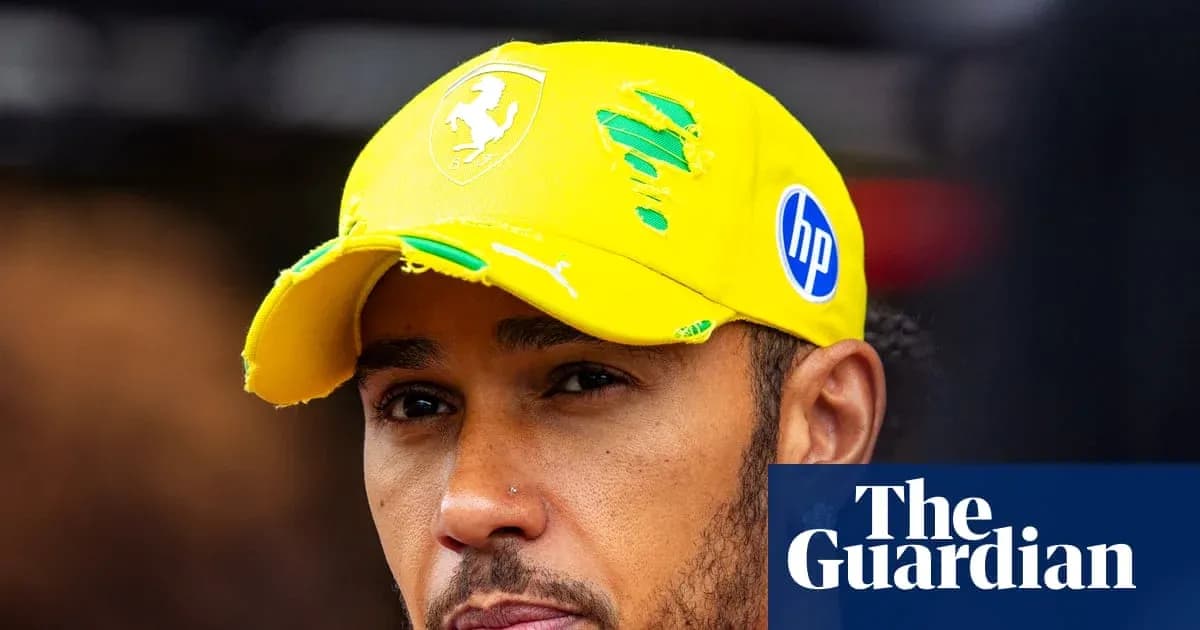
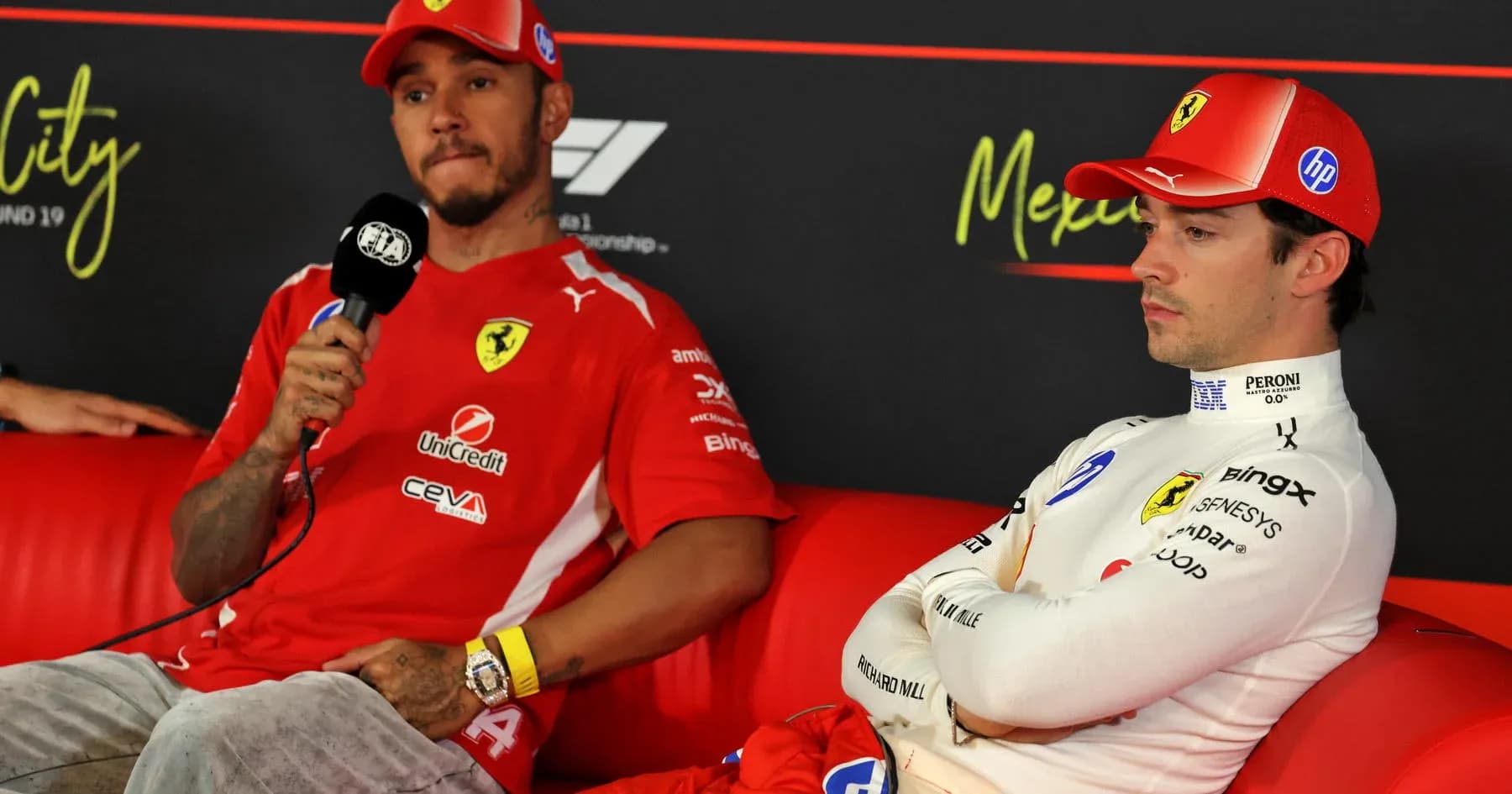
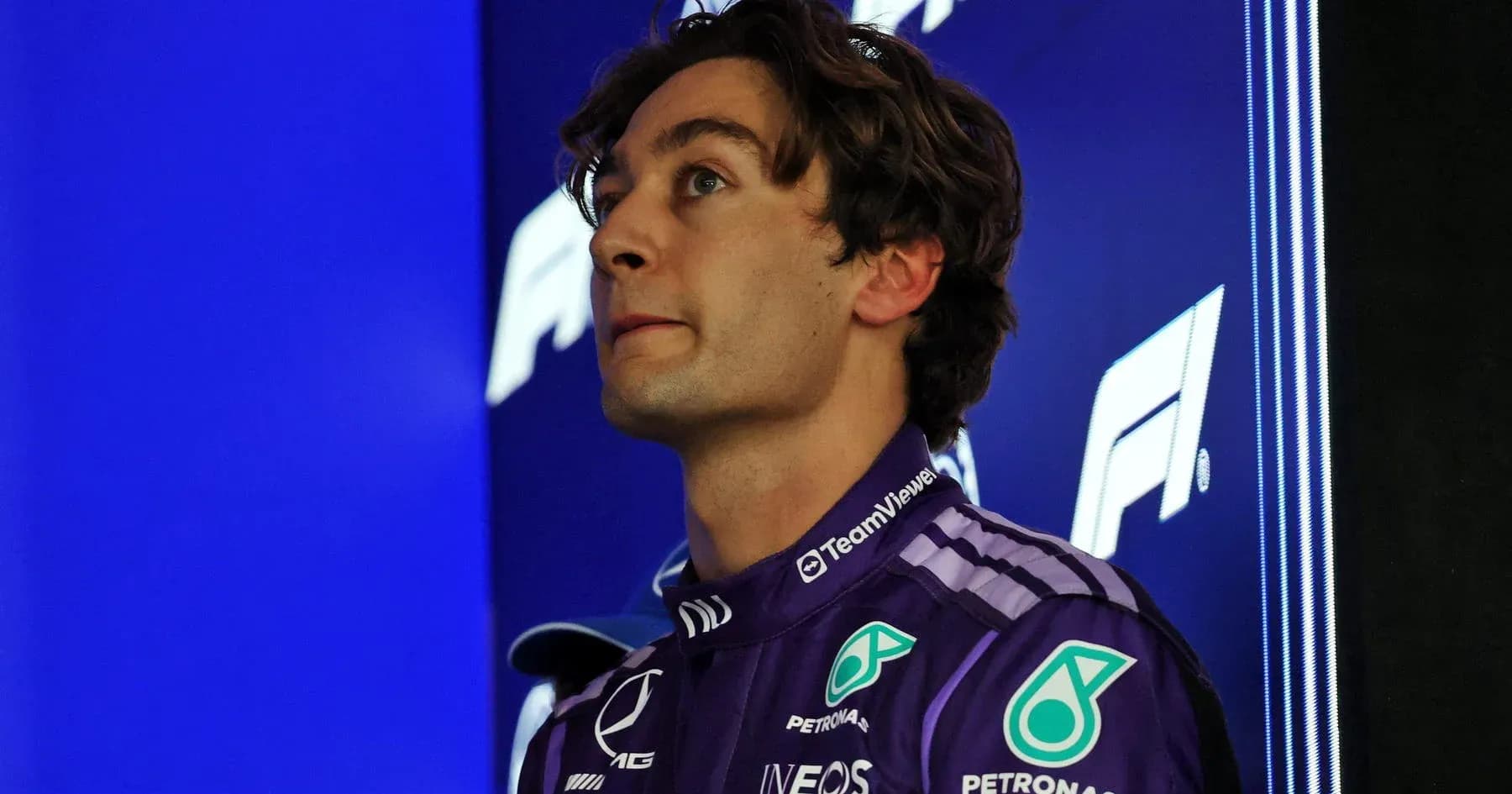
Hamilton will launch from 20th after a 10-place grid penalty and does not disguise his concern. He expects “overtaking will be very, very, very hard” and doubts fans will see “the same sort of races that you've seen in the past.”
The key difference sits in the philosophy of the 2026 cars. Straight-line “overdrive” now strips drag from every car in a similar way, instead of the old DRS model where the chasing car opened a flap and gained a clear top-speed advantage. When everyone sheds drag, nobody really stands out.
Verstappen reads the situation the same way. He underlined just how much has changed without DRS and with a tightly controlled overtake mode that leans heavily on battery use.
“Now we don't have DRS anymore and the overtake mode is very limiting around here because of the long straight, everyone is draining the battery,” he said. The result? “Your speed difference on the straight is going to be a lot less, a bit like Mexico really. So it will be quite a lot harder, I think, to pass on the long straight.”
For a circuit whose defining image is a car pulling out of the slipstream and blasting past into Turn 1, that is a brutal verdict.
Overtake Mode: Not The Weapon Drivers Need
The numbers back up the scepticism. Overtake mode gives a driver within one second of a rival an extra 0.5MJ of energy. On paper, that sounds like a decent push. On track, it looks modest.
Williams driver Carlos Sainz reckons the benefit is worth “one or two tenths” of a second. At a place like Interlagos, where cars already run flat-out up the hill and onto the main straight, that is not the kind of delta that transforms a half-chance into a move.
Sainz is not expecting to charge forward, penalties or not. The tone from the cockpit is consistent: the tools available under these regulations might not be enough to unlock the sort of racing Brazil has given for decades.
The fear is simple. If everyone is fast in a straight line and battery-limited at the same time, the race locks into formation.
Unless something else intervenes.
Enter The Weather: Interlagos’ Wild Card
That “something else” is looming over São Paulo in thick grey clouds.
The limitations of overtake mode matter most in the dry. Once the track turns wet, active aero can be disabled, and suddenly the slipstream grows teeth again. Cars punch bigger holes in the air, and the tow down the main straight becomes more powerful.
McLaren team principal Andrea Stella has been staring at the forecast and does not expect a conventional Brazilian afternoon.
He said he “would be surprised if we have a dry race,” pointing to predictions of “quite a lot of rain.” The big unknown is not whether it arrives, but how hard and how long it stays.
“It could be steady, but not too heavy,” Stella suggested. That is the sweet spot Formula 1 will be praying for: enough water to spice up strategy and boost the slipstream, not so much that visibility collapses and aquaplaning turns the race into a lottery.
Stella did not gloss over the danger. In certain conditions, he warned, the amount of spray from tyres and cars makes it impossible to continue. When drivers cannot see, the race has to stop.
The glimmer of optimism comes from qualifying. The cars coped with a reasonable amount of water; visibility and tyre grip stayed within acceptable limits. That gives Stella confidence that “we should be able to have a race,” though he is “not that optimistic that it will be in dry conditions.”
For once, that might be exactly what the show needs.
Tyres, Strategy And A Race Shaped By The Sky
From Pirelli’s standpoint, the wet-weather performance on Saturday opened up the playbook. Both rain compounds look usable, whatever the intensity, which gives teams flexibility if conditions swing between intermediate and full-wet windows.
If the showers ease off and the track dries, strategy becomes a different kind of puzzle. High degradation points to a two-stop race as the most realistic path, with soft/medium/soft or medium/hard/soft as the likely combinations.
The hard compound only truly comes into its own if temperatures drop, matching its lower working range. A one-stop is on the table in theory, but with an estimated 10-second deficit, it looks like a gamble too far unless circumstances force a hand.
All of it, though, hangs on what the sky is doing at 2pm local time.
Morning showers are expected. If they drift away in time, teams will be staring at a drying track, evolving grip, and a tyre-choice minefield. If the rain lingers, the race could turn into a constantly shifting test of judgement, car control, and nerve.
And if the downpour never really stops, the spectacle might depend less on clever rules and more on whether the drivers can even see the car in front.
A Circuit Built For Drama, A Rulebook Built For Control
Interlagos has rarely needed help to produce drama. The layout, the altitude, the weather, the crowd – they usually do the work.
The 2026 regulations, though, have introduced a new tension. The very systems designed to control speeds, manage energy and level the field risk flattening one of F1’s most naturally explosive races.
Hamilton and Verstappen know what it feels like to carve through this field here. They arrive this time expecting resistance, not opportunity.
If the rain sweeps through and shakes the race awake, Brazil might yet defy the rulebook and deliver another classic. If it does not, the sport will be left asking a sharp question: on a track made for overtaking, have the new rules finally gone too far?